
St Kentigern
Crosthwaite, Cumbria | CA12 5QG
Founded in AD 553, we are an evangelical Anglican church and welcome people of all traditions or none.
Search for a fascinating place to visit, or see the variety of churches, chapels and meeting houses we have supported.
Crosthwaite, Cumbria | CA12 5QG
Founded in AD 553, we are an evangelical Anglican church and welcome people of all traditions or none.
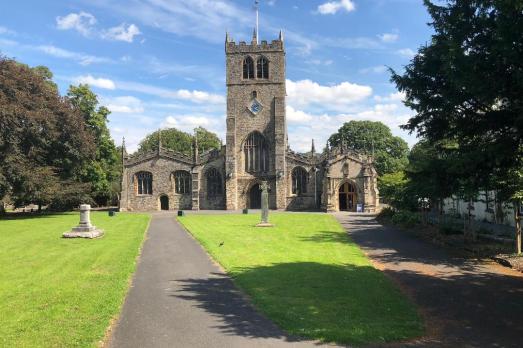
Kendal, Cumbria | LA9 5AF
With a history dating back over a thousand years, one of the largest parish churches in the country and one of England's Greater Churches.
We have supported this church
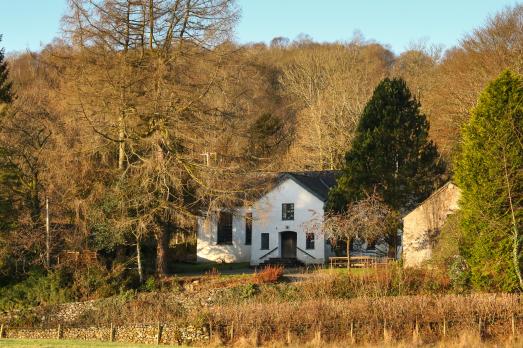
Rookhow, Cumbria | LA12 8LA
1725 Quaker Meeting House in 12 acres of ancient woodland with group bunkbarn accommodation.

Kendal, Cumbria | LA9 4BH
Early Quaker meetings in Kendal held at private houses. In 1687 a Friend bought the plot and building on the present site. This wonderful Grade II* listed building has a fascinating story to tell and like many other Meeting Houses, it’s well worth a visit!
We have supported this church
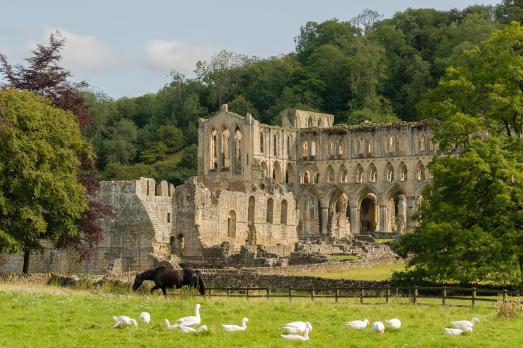
Helmsley, Yorkshire | YO62 5LB
Escape to this tranquil valley of the North York Moors and discover the impressive ruins of one of England's most powerful Cistercian monasteries.
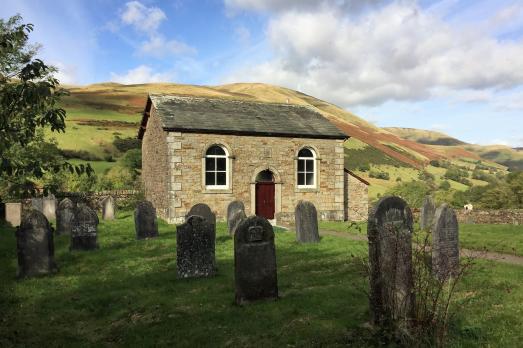
Sedbergh, Cumbria | LA10 5LY
Striking in its symmetry with its central round headed doorway flanked by matching round headed windows, Cautley Wesleyan chapel is a good example of its type and date.
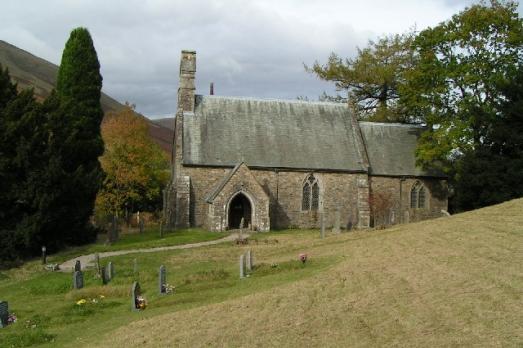
Cautley, Cumbria | LA105LZ
St Mark's church was built in 1847 to serve the people of Cautley, which is a sparsely populated dale running north from Sedbergh towards Kirkby Stephen.
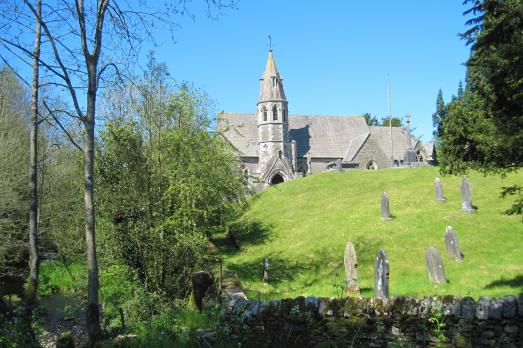
Underbarrow, Cumbria | LA8 8HJ
The church lies in a quiet location amidst fields and woodland on the edge of the small Lakeland village of Underbarrow.
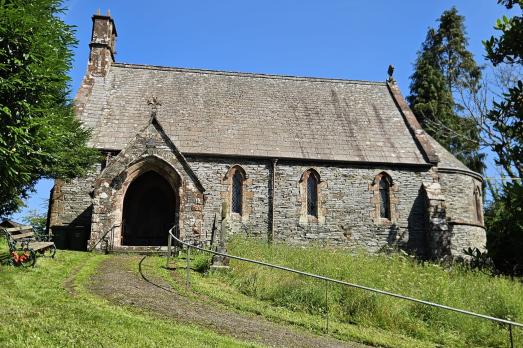
Woodland, Cumbria | LA20 6DG
A charming quiet little Victorian country church.
We have supported this church
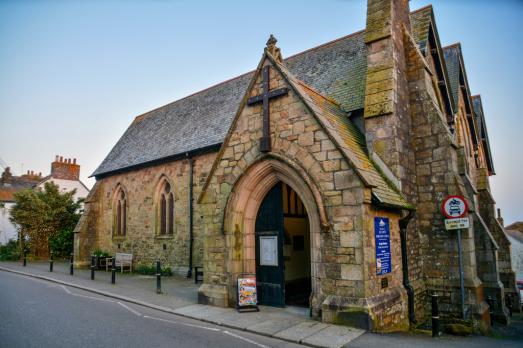
Marazion, Cornwall | TR17 0AE
Marazion church, across the bay from St Michael’s Mount, is perhaps best renowned for the hymn writer Henry Francis Lyte (1793-1847) who wrote ‘Praise my soul, the king of heaven’ and ‘Abide with me’.
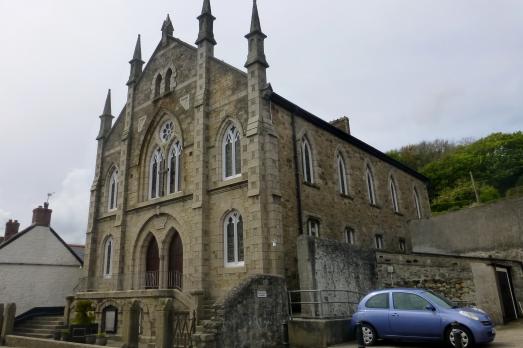
Marazion, Cornwall | TR17 0AD
Built in 1895 this chapel is a fine example of provincial, gothic style with fine stained glass windows throughout.
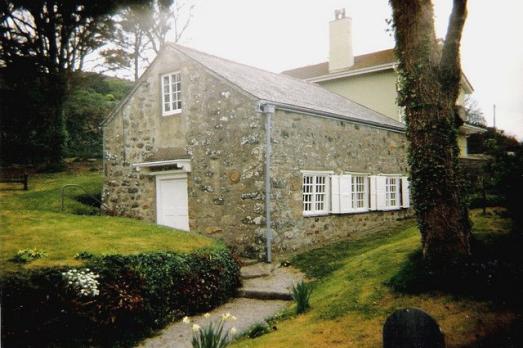
Marazion, Cornwall | TR17 0HF
The oldest Quaker Meeting House in Cornwall built in 1688, overlooking St Michael's Mount, Mount's Bay.
We have supported this church