
St Gabriel
Brynmill, Glamorgan
A classic Victorian Gothic church in the Anglican Catholic tradition.
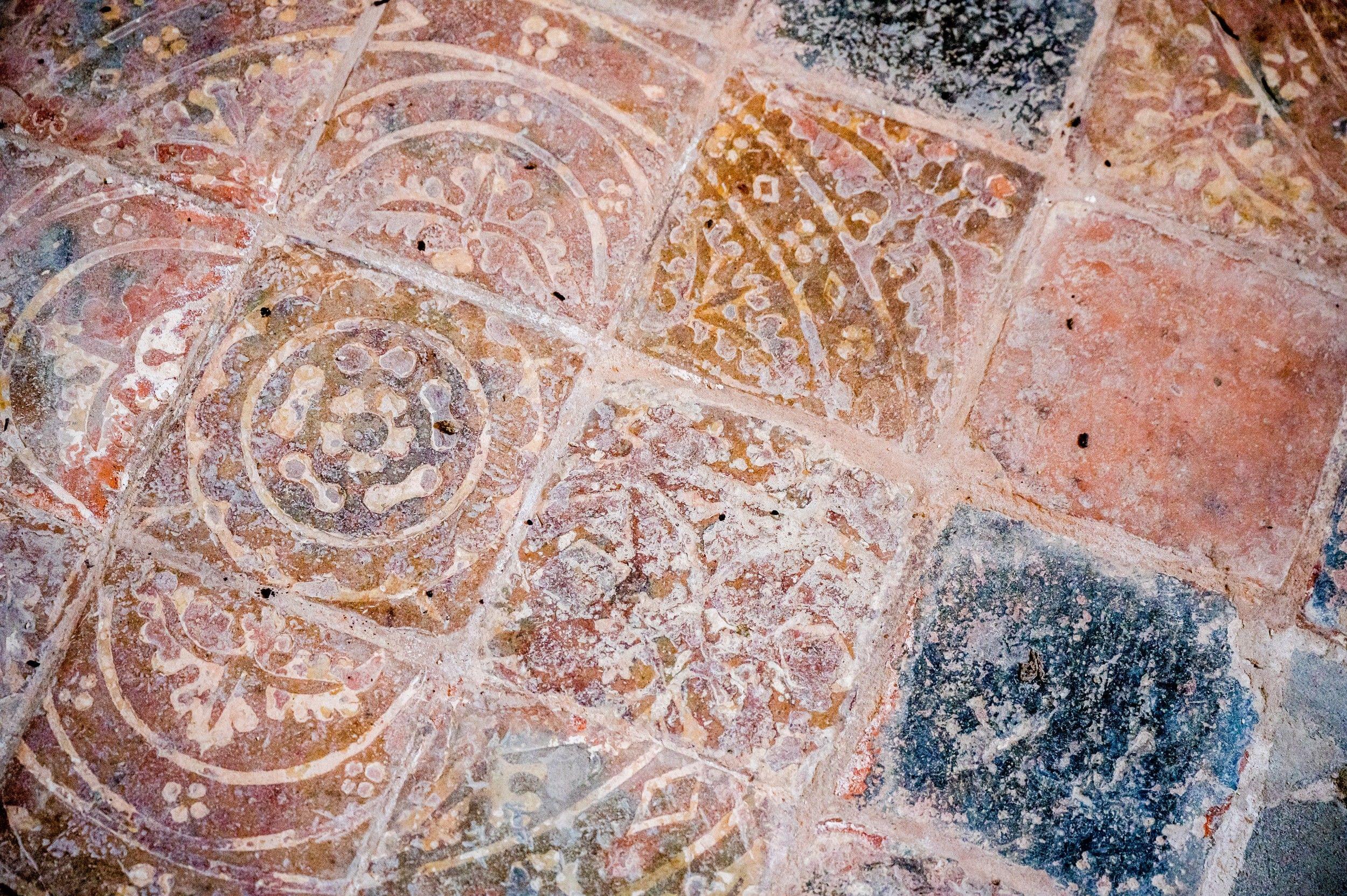
An ancient and modern church dating to at least 1141, built on the site of a Roman Villa.
Oystermouth, Glamorgan
First recorded in 1141, its origins may be earlier still. Tradition holds that St Illtud (c475–525) used Oystermouth as a place of retreat from Llantwit Major and built a chapel here. Nineteenth-century accounts recalled a chapel on the cliffs at Knab Rock, later cut through by quarrymen.
The earliest surviving parts of the present church - the Lady Chapel, south aisle and western tower - date from the 13th century and were built on the site of a Roman structure. This medieval parish church served the community until the mid 19th century.
By 1850 Oystermouth had changed dramatically. The population had more than doubled, a railway linked the village to Swansea, and local industries flourished. The church, however, was overcrowded and in poor repair. An extension was added in 1860, but even this soon proved insufficient as the population continued to grow and visitors arrived in large numbers following the opening of Mumbles Pier in 1898.
In 1915 the extension was removed and work began on the present church. Most was completed by 1916, though the western nave was not finished until 1937. The medieval church was retained as the Lady Chapel.
There is a wide variety of ancient and modern stained glass windows including a window in memory of the 8 lifeboat crew lost in a 1947 disaster.
Brynmill, Glamorgan
A classic Victorian Gothic church in the Anglican Catholic tradition.
Swansea, Glamorgan
Swansea Minster is a unique building fortunate to include examples of stunning contemporary art and stained glass.
Cockett, Glamorgan
The 'Beacon on a Hill', notable for its John Pett's mosaic rood cross and sprawling graveyard.