
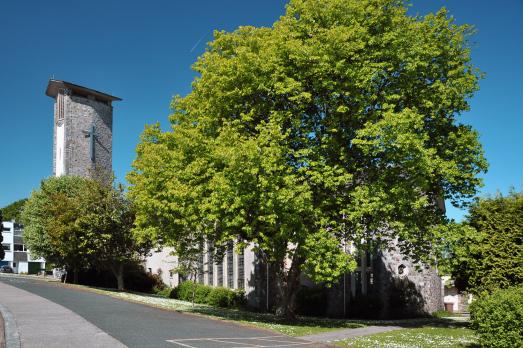
Church of the Ascension
Crownhill, Devon | PL5 3AA
Real effort was put into making Ascension a stunning contemporary architectural achievement.
Search for a fascinating place to visit, or see the variety of churches, chapels and meeting houses we have supported.
Crownhill, Devon | PL5 3AA
Real effort was put into making Ascension a stunning contemporary architectural achievement.
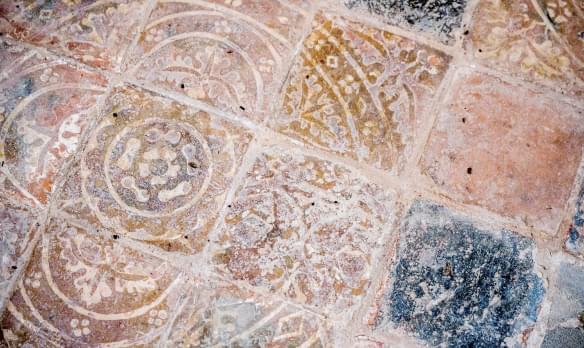
Magherally, County Down | BT32 4EP
A beautiful historic church, set on top of an early medieval ringed fort, with its distinctive round tower, the church was built by the people of the parish in 1885-7.
We have supported this church
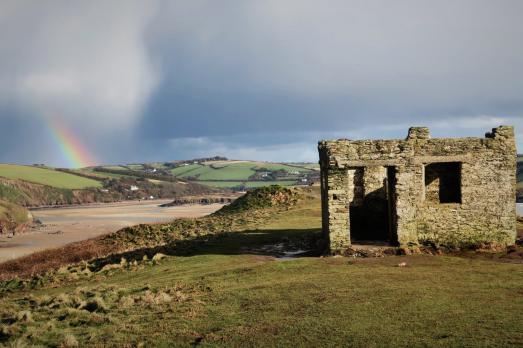
Burgh Island, Devon | TQ7 4BG
Burgh Island is a tidal island on the coast of Devon.
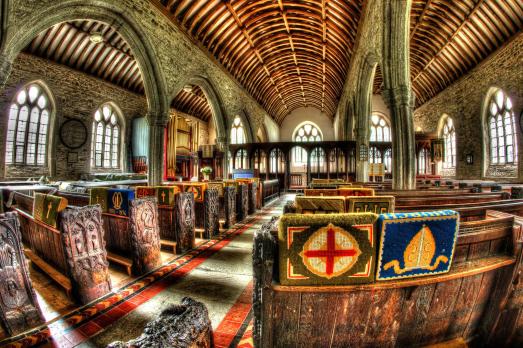
Altarnun, Cornwall | PL15 7SJ
Altarnon parish church is known as 'the cathedral of the moors'.
Cairncastle, County Antrim | BT40 2NQ
The beautiful country parish church of St Patrick’s Cairncastle looks down over the scenic Ballygally bay, on a site that has been a place of Christian worship for over 800 years.
Largs, Strathclyde | KA30 8BY
Originally at Dumfries, our Benedictine monastery owes its beginnings to the initiative of Marcia, Lady Herries.
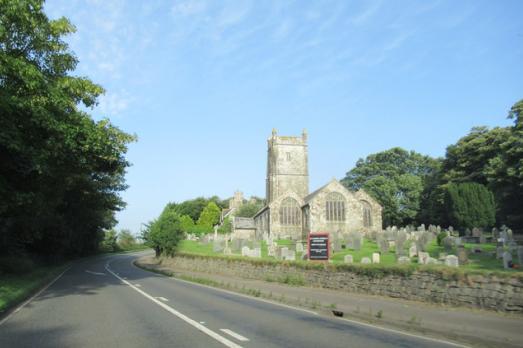
Davidstow, Cornwall | PL32 0XT
Davidstow means David's Place and according to legend the church was founded by St David in the 6th century, whilst visiting his mother at nearby Altarnun.
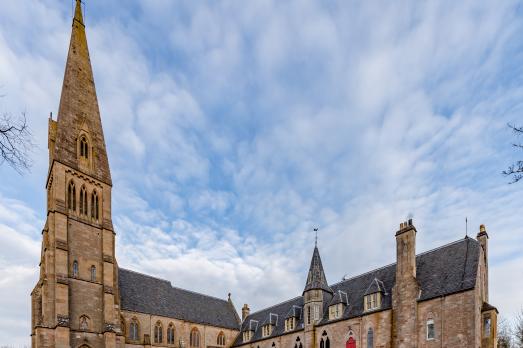
Isle of Cumbrae, Strathclyde | KA28 0HE
Consecrated in 1876 as the Cathedral of the Isles, this is the smallest in Britain and an architectural gem.
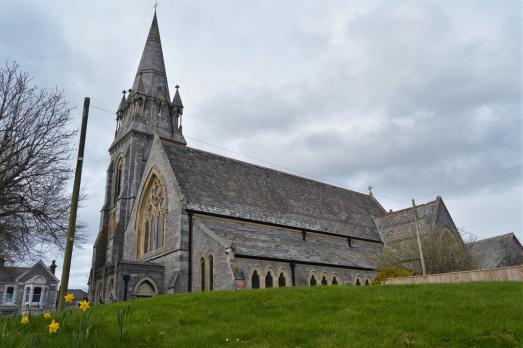
Plymouth, Devon | PL4 9BJ
Built in the Gothic Style on a main crossroad as Plymouth expanded in the later Victorian era, beginning services in 1877 before adding its spire in 1881.
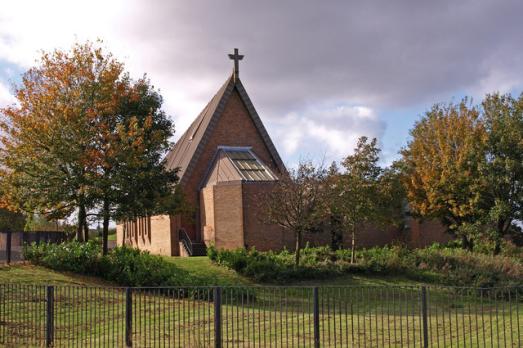
Port Glasgow, Strathclyde | PA14 6HB
This modern, well cared for church of distinctive design commands wonderful views across the Clyde estuary is easily located off the Port Glasgow to Kilmacolm Road.

Pillaton, Cornwall | PL12 6QS
The church is named after St Odulph, an obscure Belgian priest who, with St Frederick, evangelised Friesland.
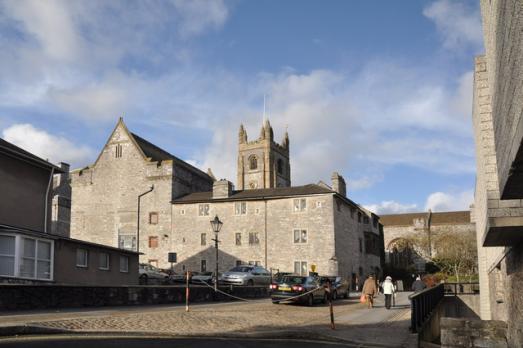
Plymouth, Devon | PL1 2AD
St Andrew's is a wonderful and beautiful building with a fascinating historical story.