
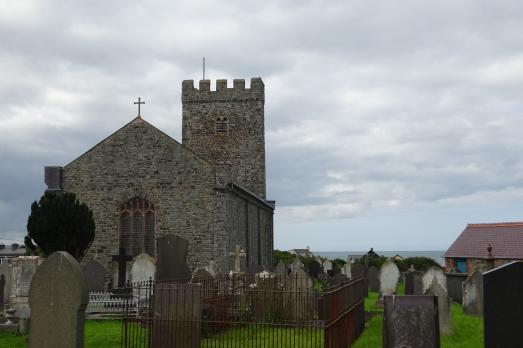
St Ffraid
Llansantffraed, Ceredigion | SY23 5HB
A Victorian coastal church and the birthplace of St Non, mother of St David, St Ffraid’s church has fascinating connections both ancient and modern.
Search for a fascinating place to visit, or see the variety of churches, chapels and meeting houses we have supported.
Llansantffraed, Ceredigion | SY23 5HB
A Victorian coastal church and the birthplace of St Non, mother of St David, St Ffraid’s church has fascinating connections both ancient and modern.
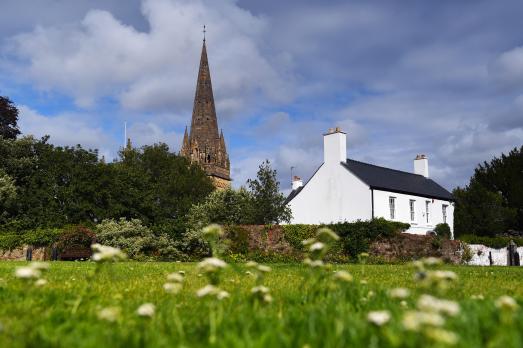
Cardiff, City of Cardiff | CF5 2LA
Llandaff Cathedral has been a place of Christian worship since the time of St Teilo in the 6th century, as evidenced by early pillar crosses in the south aisle.
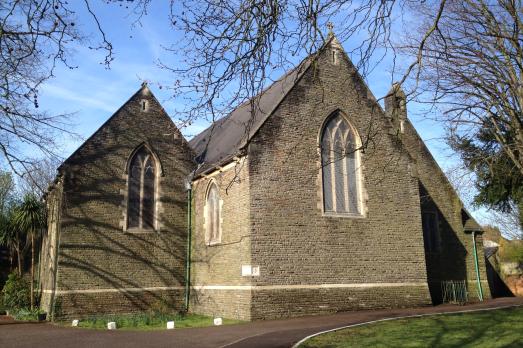
Pontcanna, City of Cardiff | CF11 9DE
The church was built in 1883-6, by architect J Prichard, although he did only the first three bays of the nave (his cruciform plan having proved over ambitious).
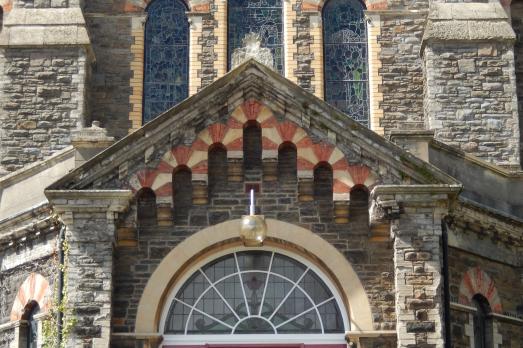
Cardiff, City of Cardiff | CF11 9NT
This Victorian Methodist church is a striking building, with a full gallery and organ. It is the largest Methodist church still in use in Cardiff.
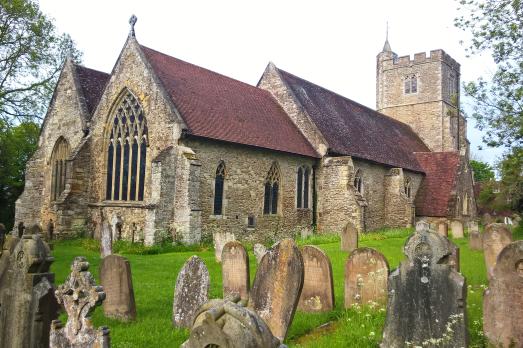
Staplehurst, Kent | TN12 0AX
All Saints is an active 12th century church with some earlier elements including rare 11th century Ironwork depicting Norse mythology. It stands at the highest point of the village of Staplehurst.
We have supported this church
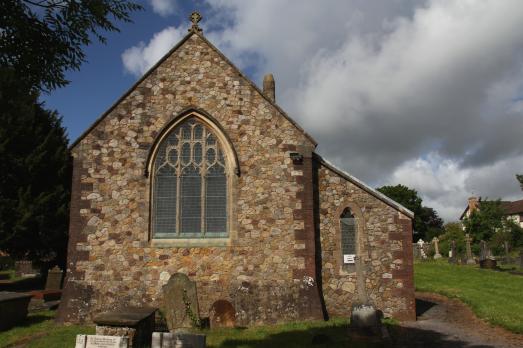
Danescourt, City of Cardiff | CF5 2SH
To approach St John’s is to leave behind the busy shopping centre and housing estate and enter a quiet haven.
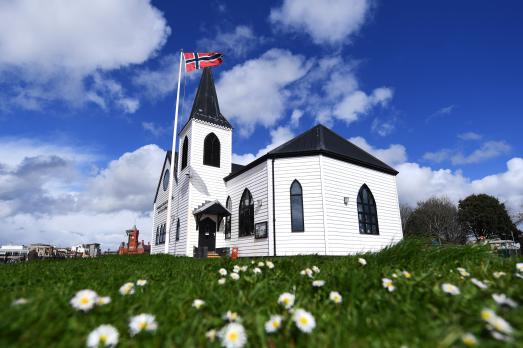
Cardiff Bay, City of Cardiff | CF10 4PA
It's not often you see white clapperboard on a Welsh church and the Norwegian Church has a unique story to tell, as well as an intimate connection with one of the world's most favourite childrens authors: Roald Dahl.
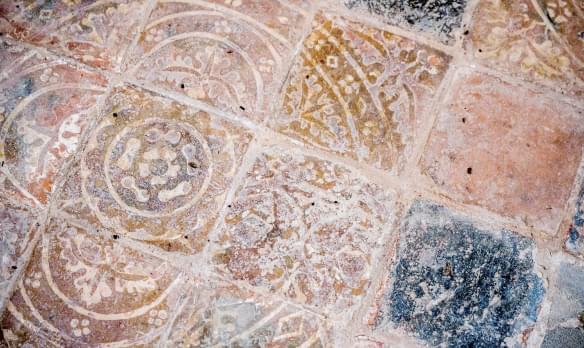
Badlesmere, Kent | ME13 0NJ
Tucked away down a quiet lane next to a farm, 13th century St Leonard's is tiny and does not look promising at first as it is rendered on the outside.
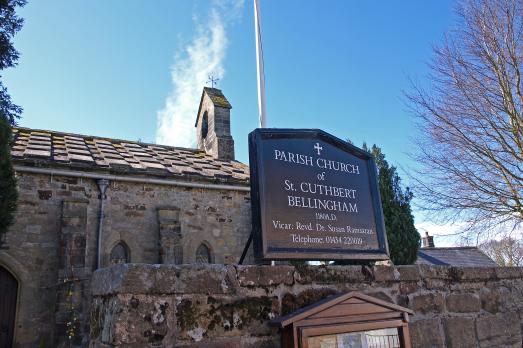
Bellingham, Northumberland | NE48 2JP
With its unique stone roof this is a straightforward and honest medieval church in which you can be yourself.
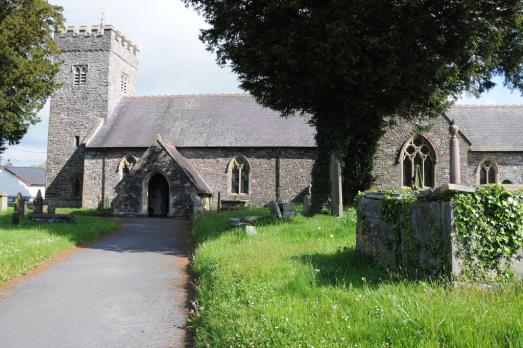
Llangadog, Carmarthenshire | SA19 9AA
The peaceful village of Llangadog is situated in the Towy Valley.
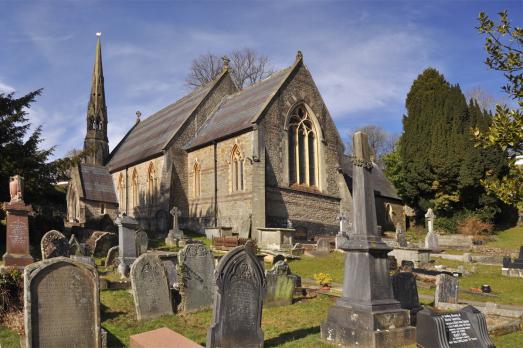
Pentyrch, City of Cardiff | CF15 9QF
A warm and welcoming Grade II listed church in a conservation area, with some lovely, unique architectural features.
We have supported this church
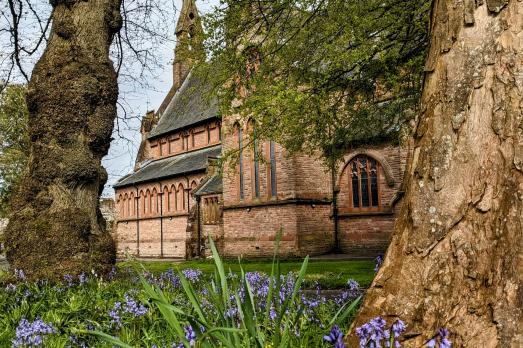
Workington, Cumbria | CA14 3EP
A masterpiece of Gothic Revival, designed by EW Pugin.
We have supported this church