
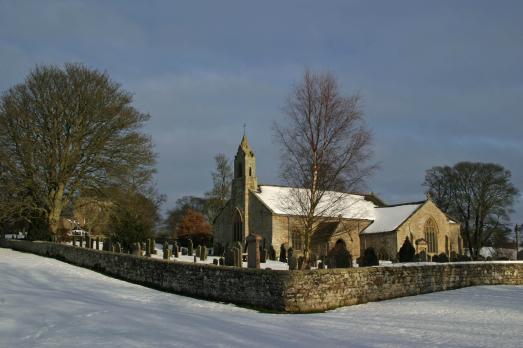
St Cuthbert
Elsdon, Northumberland | NE19 1AA
A 14th century church with Roman tombstone, medieval grave covers, exquisite windows, historic churchyard, 18th century carved headstones and two medieval stone coffins.
Search for a fascinating place to visit, or see the variety of churches, chapels and meeting houses we have supported.
Elsdon, Northumberland | NE19 1AA
A 14th century church with Roman tombstone, medieval grave covers, exquisite windows, historic churchyard, 18th century carved headstones and two medieval stone coffins.
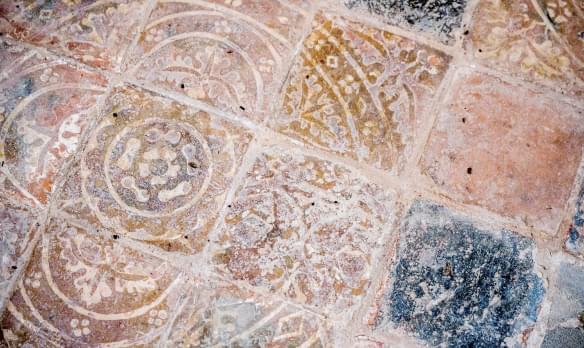
Gumfreston, Pembrokeshire | SA70 8RA
Like many Welsh churches, St Lawrence's is built within a 'llan', an early Christian enclosure that may date back to the first days of Christianity in Wales.
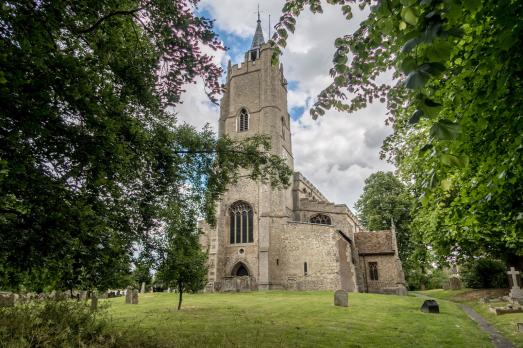
Burwell, Cambridgeshire | CB25 0HB
St Mary's is a grand church, reflecting a time when Burwell was an inland port.
Wells, Somerset | BA5 2PU
Wells United Church is a pioneering church, in 1917 the two chapels in Union Street, Wells merged together to form one United Church, a merger approved by a special Act of Parliament.
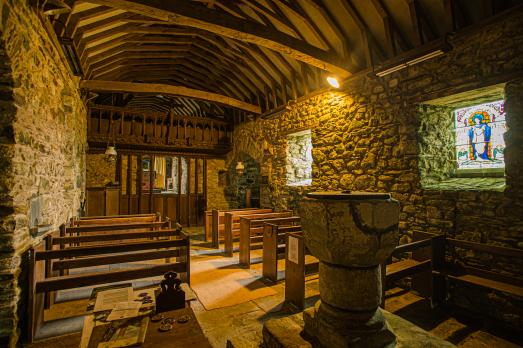
Llandeloy, Pembrokeshire | SA62 6LJ
St Eloi is a rare example of a surviving Arts & Crafts influenced church by the architect John Coates Carter.
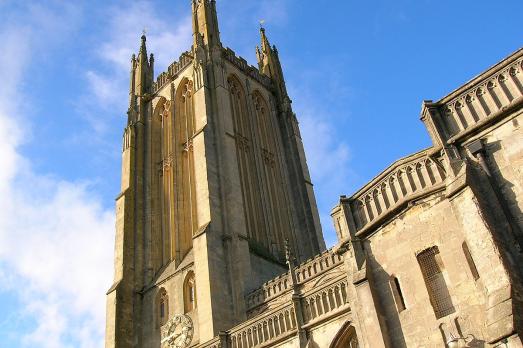
Wells, Somerset | BA5 2AW
Its tall, splendid 15th century west tower is surely the main reason why this outstanding parish church is quite often mistaken for Wells Cathedral.
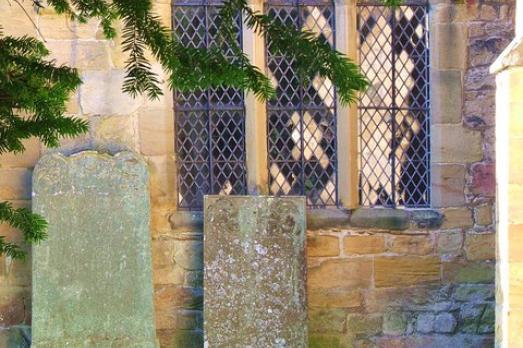
Bothal, Northumberland | NE61 6SW
A wonderful, quiet, sacred space with most interesting medieval stained glass and knight's tomb.
We have supported this church
Burnham Norton, Norfolk | PE31 8ES
Norton's church is large and handsome, with a round tower that is Saxon in origin.
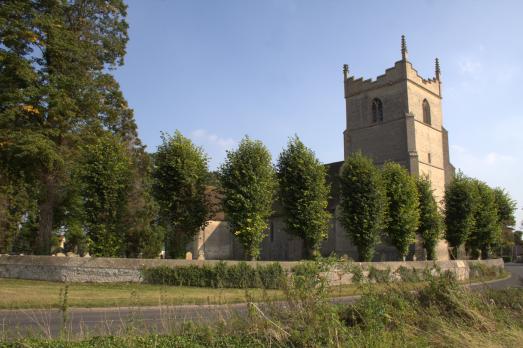
Great Wilbraham, Cambridgeshire | CB21 5AG
A 12th century church.
We have supported this church
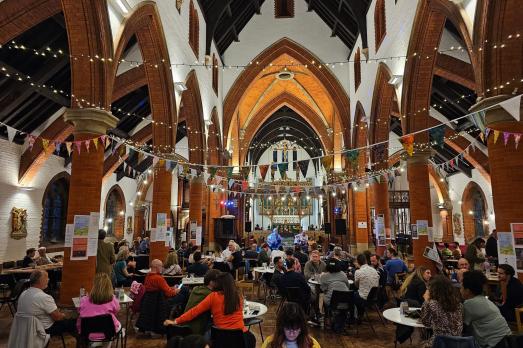
St Albans, Hertfordshire | AL1 4DF
St Saviour's is an inclusive parish church in the Catholic tradition of the Church of England, and part of the Diocese of St Albans.
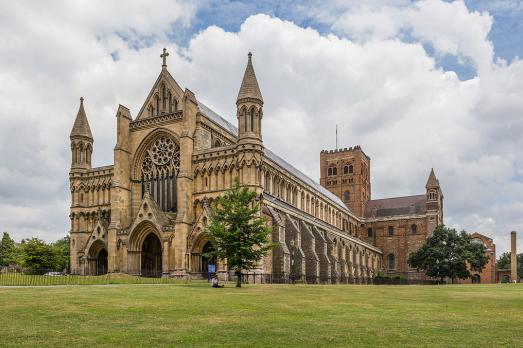
St Albans, Hertfordshire | AL1 1BY
This is the oldest site of continuous Christian worship in Britain and stands over the place where Alban, Britains first saint, was buried after giving his life for his faith over 1700 years ago.
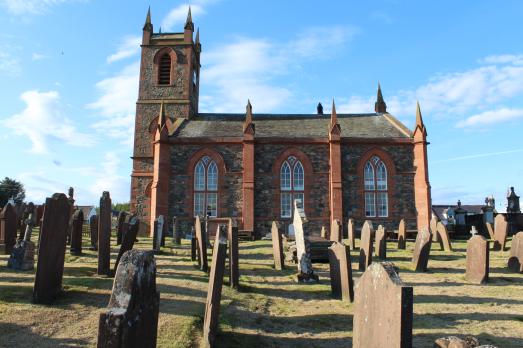
Dunscore, Dumfries & Galloway | DG2 0SZ
Set in stunning Nithsdale countryside, Dunscore Church contains a new heritage centre telling the story of 800 years of Christianity in the parish and the life of Jane Haining, who wended her life in the Auschwitz extermination camp.