
St James
Bermondsey, Greater London | SE16 4AA
The great west doors of St James's church have been wide open to the people of Bermondsey since 1829.
Search for a fascinating place to visit, or see the variety of churches, chapels and meeting houses we have supported.
Bermondsey, Greater London | SE16 4AA
The great west doors of St James's church have been wide open to the people of Bermondsey since 1829.
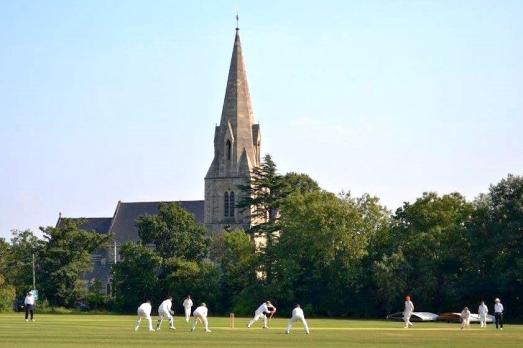
Southgate, Greater London | N14 7EG
Situated at the top of a hill in the Southgate Green Conservation Area, has a 180 foot spire which forms a prominent landmark visible for miles in North London.
We have supported this church
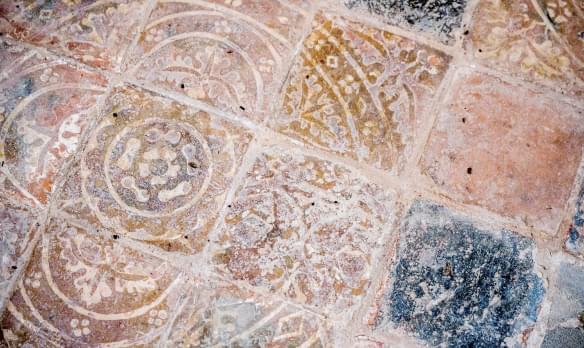
Coalville, Leicestershire | LE67 5UL
This was the first Cistercian foundation in England since the Dissolution of the Monasteries in the 16th century.
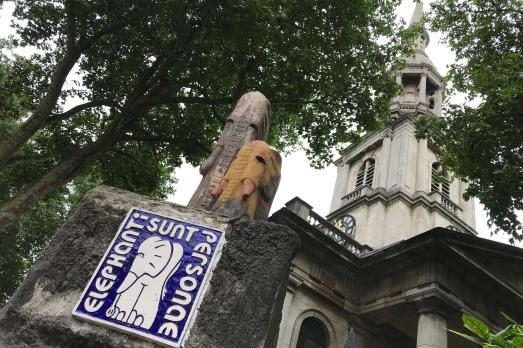
Shoreditch, Greater London | E1 6JN
At the epicentre of east London worship since Roman times, home to Shakespeare's actors and the location for BBC TV comedy series 'Rev'.
We have supported this church
Leicester, Leicestershire | LE1 1LA
Grade II listed Baptist church building erected in the 1830s Georgian period, hosting a large tracker action organ and the William Carey museum.
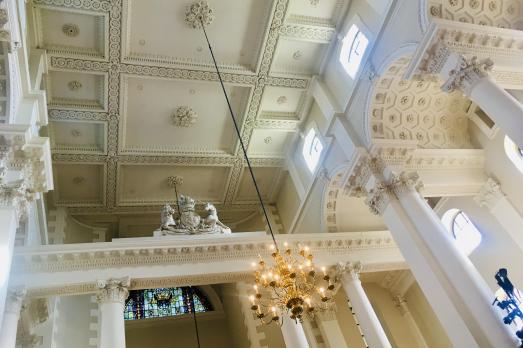
Spitalfields, Greater London | E1 6LY
Built in 1729 it has for most of its life been homed to a committed worshipping Christian community, yet every week 1000s of tourists, pilgrims and visitors also enjoy our church building.
Wood Green, Greater London | N22 8HE
Built mid-way through the 19th century, the church is undoubtedly one of the most significant and architecturally important buildings in Wood Green and sits in a privileged position at the top of what was once known as Jolly Butchers Hill.
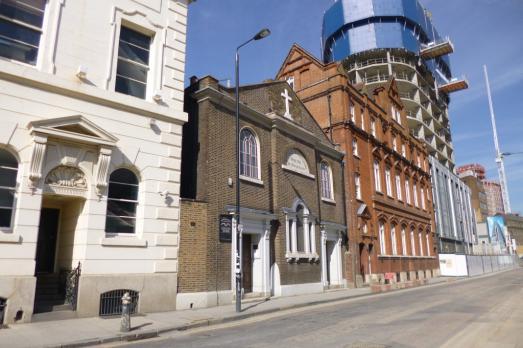
Whitechapel, Greater London | E1 8EB
St George's has changed little since 1763, when it was established in the immigrant neighbourhood of Whitechapel by German refugees seeking religious asylum in London and working mainly in the sugar trade.
Highfields, Leicestershire | LE2 1DA
St Peter’s is a large, Grade II Victorian church built between 1872 and 1879 to the design of George Edmund Street.
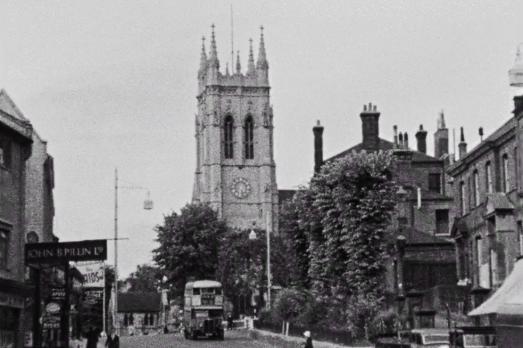
Beckenham, Greater London | BR3 1AX
Beckenham as a settlement dates from 862.
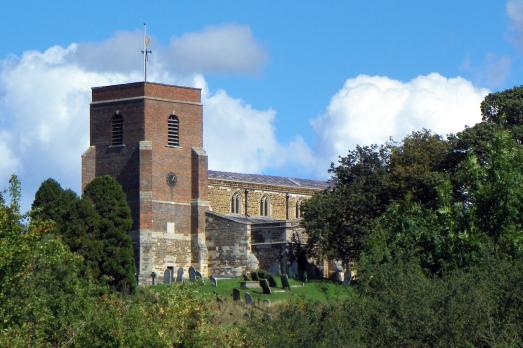
Shillington, Hertfordshire | SG5 3LH
Named by Sir John Betjeman the ‘Cathedral of the Chilterns’, All Saints stands proud on its hill welcoming all visitors and worshippers to enjoy its peace and tranquillity and the beautiful views of the surrounding countryside.
We have supported this church
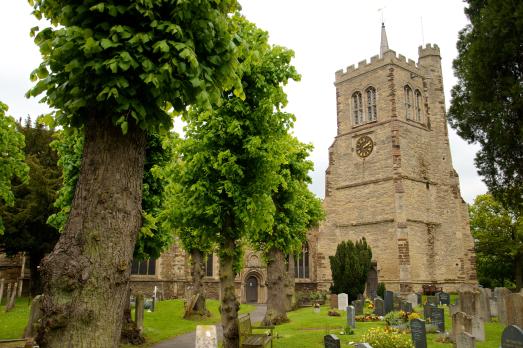
Elstow, Bedfordshire | MK42 9XT
Elstow's mighty 13th century bell tower, one of only a handful of freestanding church towers in the country, looks out across the spacious village green and stands side by side with the remaining part of a Norman abbey, which is now the parish church.