A shot of St Mary & All Saints in Little Melton, with snowflake graphics. Michael Garlick
Michael Garlick

Roofs at risk

Published:

Saving a roof safeguards the rest of a building: paintings, monuments, tombs, tiles, metalwork, woodwork, walls, floors, bells, organs. Saving a roof enables vital work to carry on. According to our National Churches Survey, as many as 3,850 churches, chapels, and meeting houses need an urgent roof repair in the next twelve months. This is a cultural and community crisis, affecting the longevity of heritage treasures, and also meaning good works cannot continue. Food banks cannot run if the roof is  falling in. Rough sleepers can’t be cared for. Mum and toddler groups will shut.  

We don’t want the UK’s churches to fall into disrepair – these are some of our most important buildings. Spaces of community and priceless heritage. Help us to keep the doors open and the roofs watertight.    

Roof damage almost made a 14th century church unusable  
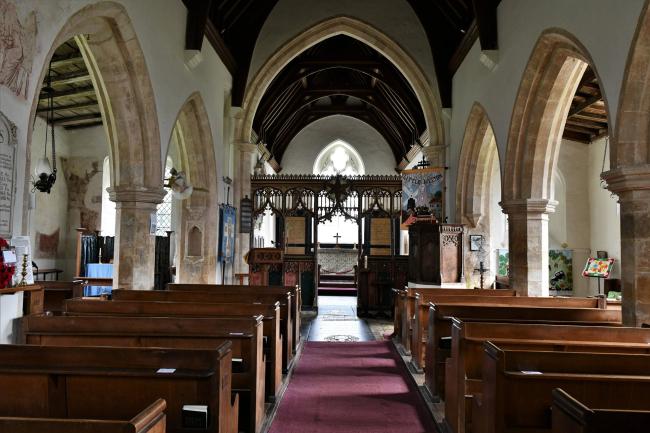


The inside of All Saints in Little Melton, Norfolk. Rows of pews face a reredos. There are arched columns either side of the pews.

Michael Garlick


All Saints church in Little Melton, Norfolk, is known for its medieval wall paintings. But these were put at risk as water began leaking into the Grade II* Listed church.

The roof on the north aisle of the church was failing. The timber rafters started to rot. Cement render – the first coat of plaster – in the chancel has now also crumbled away. It was deteriorating fast and water was coming through.

Damage was imminent at this historically significant church – both to the wall paintings and the walls themselves – especially in the chancel, where the choir stalls were unusable due to the plaster flaking off around them.

It is thanks to the generosity of people like you, that All Saints has been saved for the future.

“Our church has served the village for over 700 years being loved and cared for by the community during this time,” says Nick Ganley, Churchwarden at Little Melton All Saints Church, in Norfolk.

“Unfortunately, the roof over the north aisle began to let in water damaging the medieval timbers underneath. The slates could not simply be replaced; a complete renovation was needed to avoid irretrievable damage.

“The damage was progressing and would eventually have made the church unusable.”
Please donate

We can only help churches because of people like you. You give generously, and it is thanks to this generosity that we have been supporting more and more churches, like All Saints, to stay open and in use.

Please donate now

First Catholic church in the Welsh Valleys can now run a Warm Space again


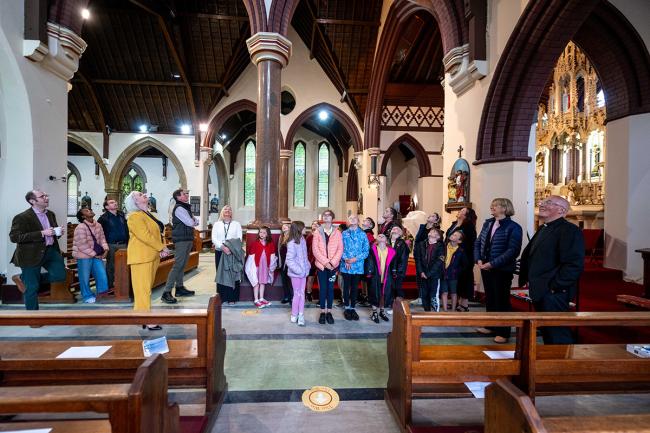
A group of people looking up at the ceiling inside a church

Natasha Hirst


The roof at St Illtyd’s, in Dowlais, Merthyr Tydfil, deteriorated at an alarming rate, leading to more and more leaks within the Grade II Listed building. The church was forced to close a quarter of the building, as the falling debris from the roof damage was a significant health and safety risk. The water was also causing mould and infestation. The church was given over to buckets as hazards were roped off.  

The long-term public health consequences of heavy industry – both mining and ironworks – is visible within the town, with Dowlais in the top ten percent for poor health outcomes in Wales. There was a need for St Illtyd’s as a warm, safe space – but due to the failing roof, the church was unable to offer their building as a warm space during winter.

“The National Churches Trust saw the [grant] application and were kind enough to give us a grant, which really created a new sense of hope,” explains Owen Collins, from the Catholic Archdiocese of Cardiff, who has been supporting St Illtyd’s with their repair project.

“There was a new dynamic that a problem roof turned into a project because somebody, somewhere, had the faith that St Illtyd’s was a viable project... And once you can say that one funder is on board, other funders might be interested to help as well.”

A £200,000 grant from the National Churches Trust enabled urgent repairs to take place, turning the church back into a vibrant hub of activity. Even local schoolchildren got involved, writing messages on the roof tiles. "And so, the idea is in 100 years’ time, when this roof will also reach the end of its life, the messages of the young people of today will be there for everyone to see,” says Owen.  

A brilliant success story for the local community, made possible by the generous support of our Friends and donors. But many more churches need our help.

Give the gift of hope this Christmas

This Christmas, you can give the gift of hope and help churches, like St Illtyd’s, remain open and in use for generations to come.

Please donate now
The church roof of Dowlais St Illtyd is visible. It has scaffolding around it as the roof is repaired.

Natasha Hirst