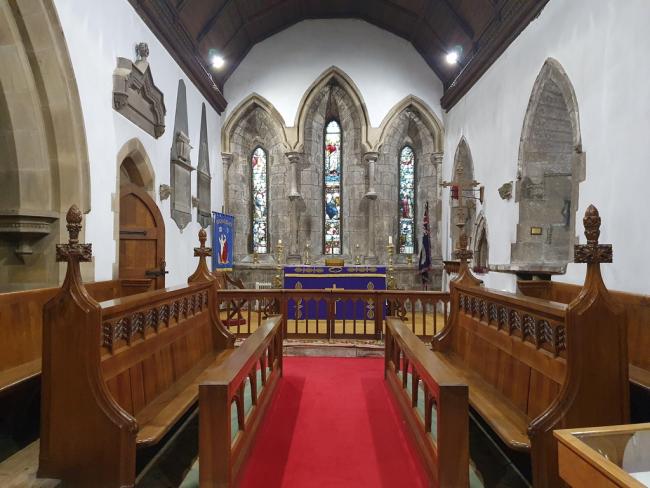
As funding sources shrink for churches, we’re helping to keep the doors open
Published:
Churches are not passive relics of the past, but active, living spaces that continue to serve local people. But those who care for these buildings are finding it harder and harder to fund urgent repairs. Changes to the Listed Places of Worship Grants Scheme earlier this year made repairs to listed places of worship up to 20 percent more expensive. For every £1 that’s invested in a church building, £16 of social good is created; it makes good economic sense to fund repairs and renovations that will keep them open.
Through our latest round of grants, we can reveal that more than £900,000 has been awarded to churches, chapels and meeting houses across the country, to keep these magnificent buildings open and in use. And we couldn’t do it without our Friends, donors, those who leave a legacy to the National Churches Trust, and our partner organisations. Thank you for supporting churches, so that they can keep the doors open:
Here are just nine of the brilliant things that your generosity is making possible:
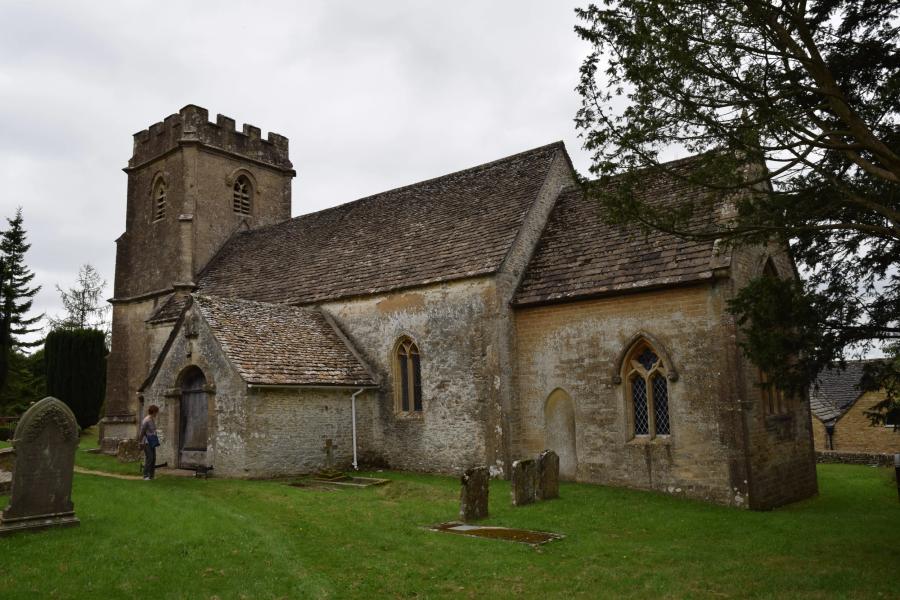
Helping a Saxon church in the Cotswolds to get its first toilet after 1000+ years
Mending a crumbling concrete tower at a church on the Heritage at Risk register
Restoring an iconic church in Renfrewshire to its former beauty
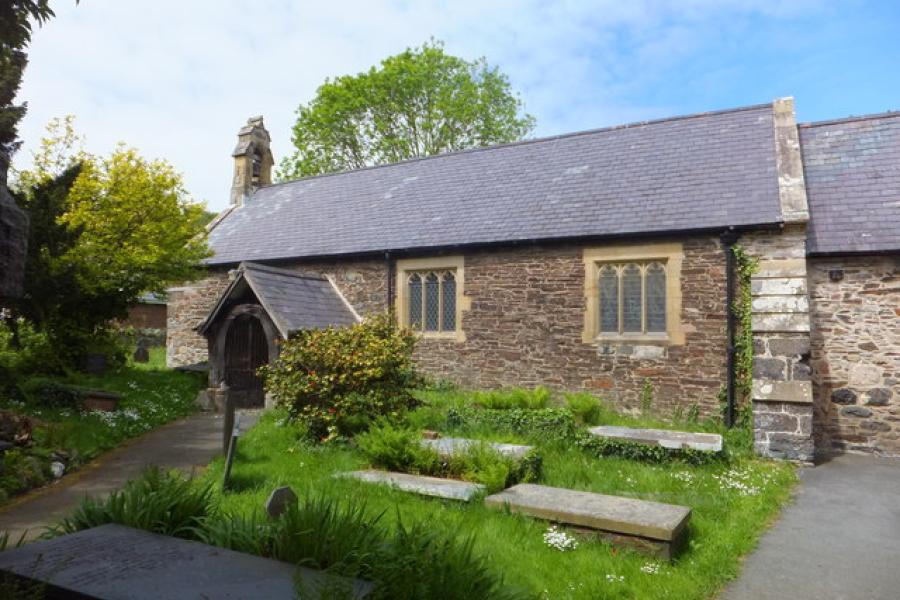
Enabling a medieval Welsh church to better serve its local community
Making a church building in Lancashire safe again so it can tackle local child poverty
Funding urgent repairs at a Torpoint church that has been battered by extreme wet weather
Repairing a rapidly deteriorating church in County Antrim, so it can continue to be used
Keeping the doors open at a historic 14th century church in Oxford, which was close to closing
Fixing a structurally unsound roof at Grade I Buckinghamshire church in time for winter
From the churches: read all about it
Explore our gallery to find out more about the projects happening at these unique places of worship and hear from the churches directly about the impact of the grant and what it will achieve. If you click on the church, it will open up into a gallery, and you’ll get to discover the stories for yourself from the churches supported through our Large Grants programme.
Supporting these churches would not have been possible without the generous support of our Friends, those who leave a legacy to the National Churches Trust, and our donors. So, thank you.
We also partner with other Trusts and Foundations, like the Wolfson Foundation, The National Lottery Heritage Fund, the Jane Hodge Foundation and the Moondance Foundation, and award funding on their behalf to churches in need. These crucial partnerships enable even more churches, chapels and meeting houses to be supported.
"At the heart of local communities sits churches: places of worship, places of support for local people and places of shared heritage,” shares Paul Ramsbottom, Chief Executive of the Wolfson Foundation, who we partner with to award Wolfson Fabric Repair Grants of up to £10,000 to listed churches that need urgent repairs.
“The Wolfson Foundation has a particular interest in the heritage of these remarkable buildings, and we are pleased to continue our partnership with the National Churches Trust to help keep them open, safe and in fine condition for the future."
Why churches need our help more than ever
The burden of caring for churches, chapels and meeting houses in the UK falls onto the shoulders of local people. While we are pleased to be able to support so many churches across the country through our grant programmes, the wider funding landscape for churches is difficult. The cost-of-living crisis is taking a toll and inflation continues to drive up building materials and project costs. Fewer churches are coming off Historic England’s Heritage at Risk Register. The UK Government has also significantly reduced its only consistent form of funding for churches through its wide-reaching changes to the Listed Places of Worship Grants Scheme.
The Scheme allows listed churches, chapels, meeting houses and cathedrals to reclaim VAT on urgent repair projects. It has helped 13,000 places of worship since it was introduced in 2001. But the Government has only decided to renew the scheme until March 2026 and has introduced a cap – meaning churches can only claim up to £25,000 back on their repair bill – even if the VAT bill is higher. The scheme may end completely in a few months time.
This is leaving a huge shortfall; churches are now having to fundraise even more just to pay tax. They’re delaying making urgent repairs as they do not know what support will be available after March 2026. It is having a devastating impact on churches in every part of the country.
The National Churches Trust is doing all we can to urge the Government to make the scheme permanent and to remove the cap. We also want to make the scheme open to unlisted churches too – many of which are also of huge local heritage and community value; if they were to close the impact would be colossal.
“Churches need our support more than ever,” shares Claire Walker, Chief Executive of the National Churches Trust.
“More historic churches will fall into disrepair and eventually close if action is not taken to help fund repairs to these buildings. The costs for caring for them – and we’re talking about some of our nation’s most important buildings – should not fall onto local people to fund. We need to find creative solutions to help keep them open and in use. We urge the UK Government to show leadership and work with heritage organisations and Christian denominations to create a plan to properly fund churches, chapels and meeting houses in the UK, so they can remain at the heart of local communities for generations to come.”
Our grant programmes support churches, chapels and meeting houses of every Christian denomination and in every corner of the UK, as well as listed and unlisted buildings. Click on the map if you would like to find out more information about a grant that has been awarded and how this will help the church.