St Luke
Loughgall, County Armagh
This late Georgian church in a simple Gothic style is located in the village of Loughgall in the heart of Co Armagh's apple growing countryside.
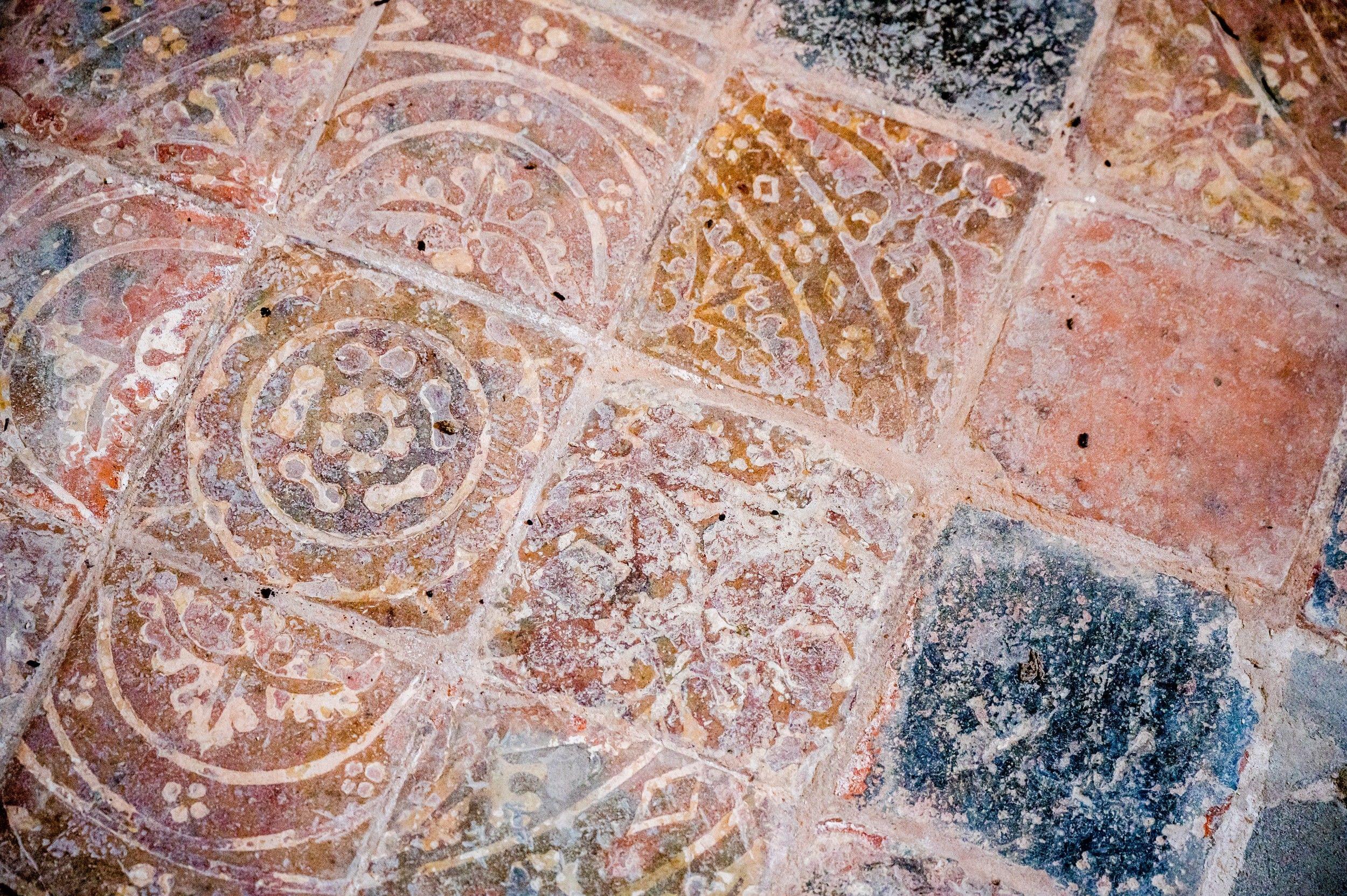
Experience a journey through time, learning about the 1,500 years of history of this ancient site of Christian worship which continues to be relevant today.
Kilmore, County Armagh
St Aidan's lies in a sleepy rural village setting with a rich, mainly untapped history. Kilmore, meaning ‘great church’ has been a seat of the teaching of the Gospel in this part of Ireland for hundreds of years and giving birth to many neighbouring churches in the process.
We invite you to join us and explore how significant this church has been through the ages and continues to be in the life of Christianity in Ireland. St Aidan's church was founded c422AD, the existing church having been rebuilt in 1814. It is widely believed that St Patrick visited Kilmore on his way to Armagh in the year 444AD.
Whatever your interest, this unassuming church delivers hidden gems, and you won't be disappointed. Some of the things to discover are:
In addition to the main areas of interest mentioned, some small furniture items, memorials and stained glass windows are worth taking a look at too.
A warm welcome awaits you, should you wish to visit us and share our fascinating history.
Loughgall, County Armagh
This late Georgian church in a simple Gothic style is located in the village of Loughgall in the heart of Co Armagh's apple growing countryside.
Salters Grange, County Armagh
Consecrated 1776 on land gifted by Sir Capel Molyneux and financced by Archbishop Richard Robinson.
Portadown, County Armagh
St Mark's Portadown was consecrated as St Martin's in 1826, and renamed St Mark's in 1872.