
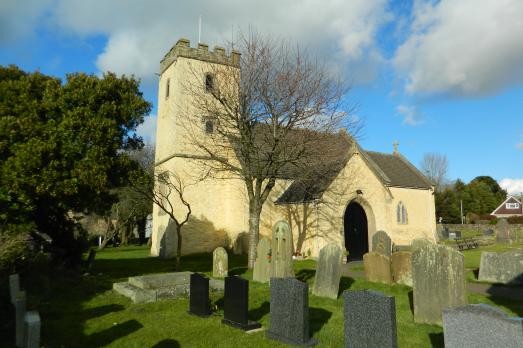
St Mary
Portskewett, Monmouthshire | NP26 5SG
Considered to be one of the best examples of early architecture in south Wales.
Search for a fascinating place to visit, or see the variety of churches, chapels and meeting houses we have supported.
Portskewett, Monmouthshire | NP26 5SG
Considered to be one of the best examples of early architecture in south Wales.
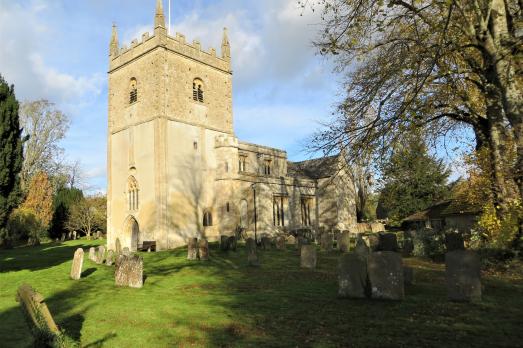
Spelsbury, Oxfordshire | OX7 3JR
All Saints is a beautiful village church on the edge of the Cotswolds with listed architecture and historically important monuments.
We have supported this church
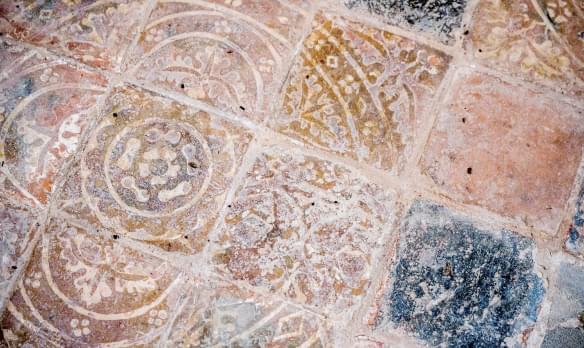
Risca, Monmouthshire | NP11 6GR
Built in 1853 on the site of a Roman settlement, it is the latest in a succession of churches dating back to 1230AD.
We have supported this church
Tilton on the Hill, Leicestershire | LE7 9LB
A landmark for travellers for over 900 years, set in the heart of a small Leicestershire village Tilton on the Hill, there is evidence that parts of the church date back to the 12th century.
We have supported this church
Clayton West, Yorkshire | HD8 9LY
A Victorian building designed by architect Edward Hughes in 1871; we are open 363 days of the year during daylight hours.
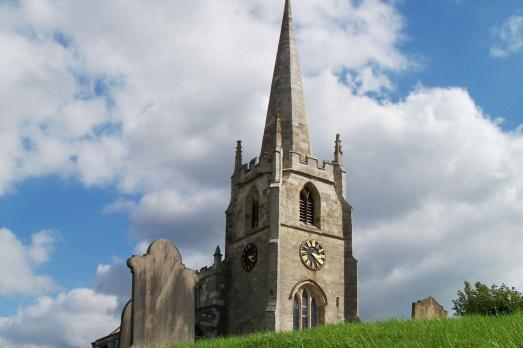
Anston, Yorkshire | S25 5TD
Dating from Norman times, our church will give you a sense of the history of the area whose name derives from ‘Anastan’ a solitary stone and is known to have had prehistoric settlements in the area.
Langho, Lancashire | BB6 8AB
Dog friendly rural church in the heart of the Ribble Valley.
Elsecar, Yorkshire | S74 8AH
The name Elsecar is thought to mean ‘Elsi’s marsh’. Elsi was a Saxon lord who owned land here and ‘car’ is an old word for low, swampy ground.
Elland, Yorkshire | HX5 9DW
We have come full circle - built as a place of worship in 1822, returned to a place of worship in 2025.
We have supported this church
East Haddon, Northamptonshire | NN6 8BU
A beautiful 16th century church offering quiet space for personal reflection and a range of services.
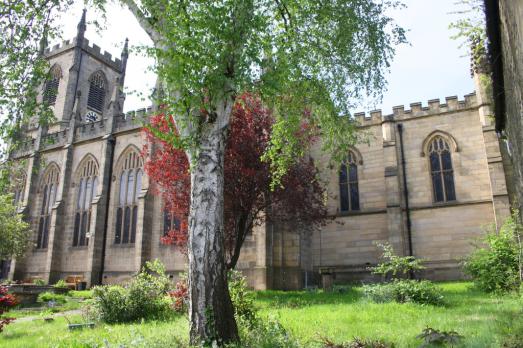
Sowerby Bridge , Yorkshire | HX6 2LW
Built by John Oates opened in 1821 and funded by the Victorian industrialists for the increasing workforce in their factories.
We have supported this church
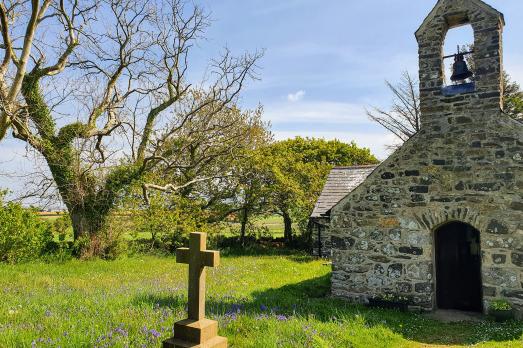
Llandudwen, Gwynedd | LL53 8SR
This stunning ancient church, founded in the 5th century as a pilgrimage site to St Tudwen, is a place of solitude and spiritual refuge and is open all year round.