
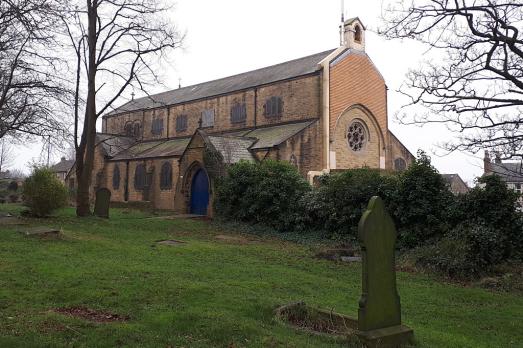
St John
Wortley, Yorkshire | LS12 4RU
St John’s is a much loved church at the heart of the community, where generations have gathered to find welcome, connection and hope.
Search for a fascinating place to visit, or see the variety of churches, chapels and meeting houses we have supported.
Wortley, Yorkshire | LS12 4RU
St John’s is a much loved church at the heart of the community, where generations have gathered to find welcome, connection and hope.
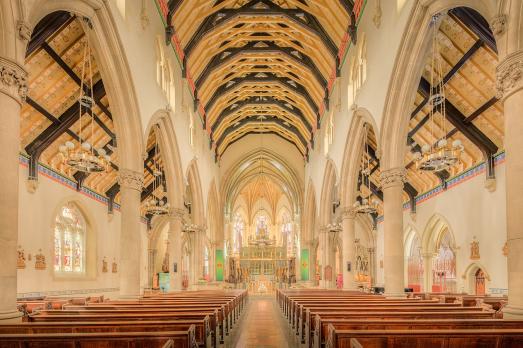
Lancaster, Lancashire | LA1 3BT
St Peter's was seen to reflect a bygone era when the glory of a Catholic England was unopposed and unsurpassed.
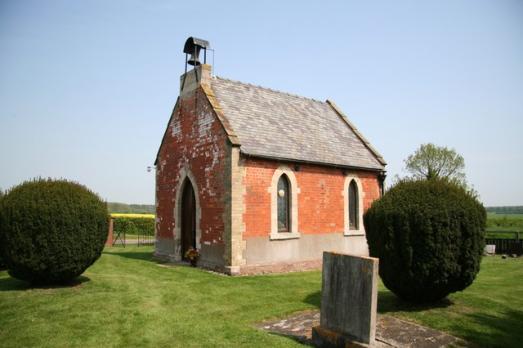
Apley, Lincolnshire | LN8 5JQ
By 1816 a brick shed on the site had been converted for use as a mortuary chapel and when the graveyard was enlarged in 1871 it was replaced by the small brick building which we see today.
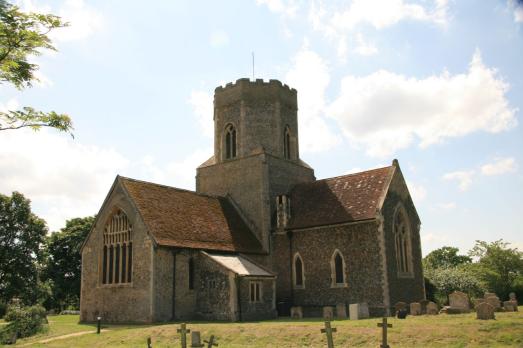
Pakenham, Suffolk | IP31 2LN
St Mary's was built by one Walter in 1100 AD.
We have supported this church
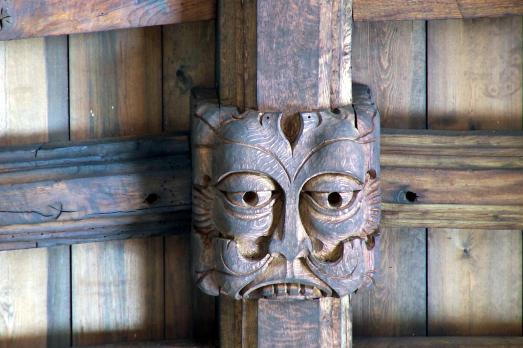
Hatfield, Yorkshire | DN7 6RX
There has been a Christian church on this site since at least 633 AD, as recorded by the Veneral Bede who mentioned that there was a church and a priest during the time of the Battle of Hatfield in that same year.
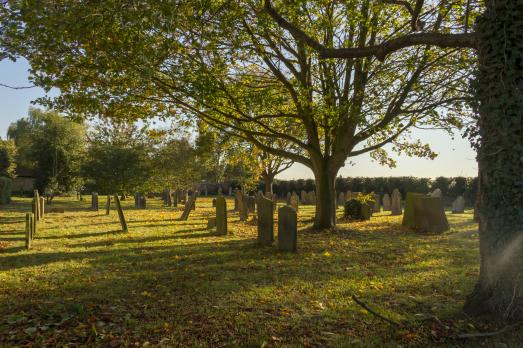
Kirkby on Bain, Lincolnshire | LN10 6YW
Close to the River Bain, a church has been on this site for about 900 years.
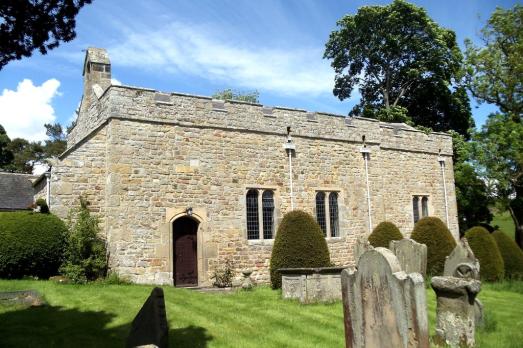
Halton, Northumberland | NE45 5PH
A little church with a long name, the walls are made of reused Roman stones, we are only a mile or so south of the wall.
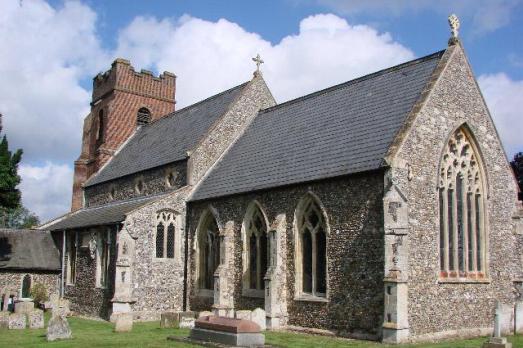
Drinkstone, Suffolk | IP30 9SX
Well preserved medieval church, with some evidence of an even earlier church, which is full of references to the village history.
We have supported this church
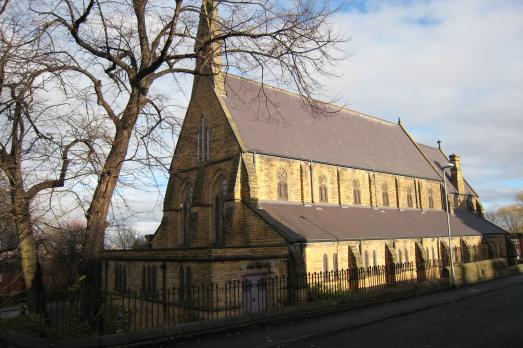
Holbeck, Yorkshire | LS11 8PD
A mile to the south of Leeds city centre our beautiful Victorian building sits at the heart of the Beeston Hill Community.
We have supported this church
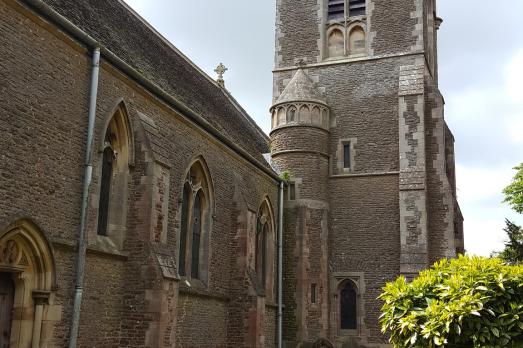
Spridlington, Lincolnshire | LN8 2DE
An unusual late Victorian church with a high tower and saddleback roof, similar to those found in Normandy and along the Rhine.
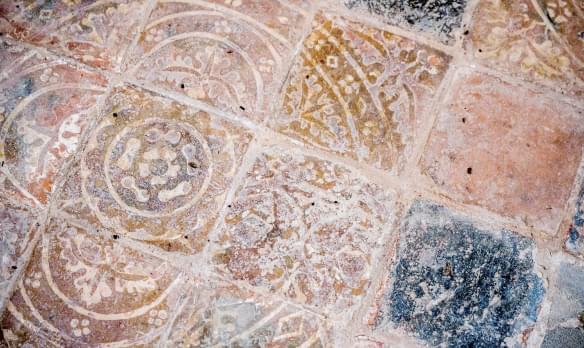
Hemswell, Lincolnshire | DN21 5UN
All Saints is an impressive sight. A maypole stands in Church Street and is a rare survival, the tradition of the maypole goes back to the 17th century and May Day continues to be celebrated by the village.
Stainforth, Yorkshire | DN7 5AQ
St Mary’s has in itself a short history, compared with other churches in the area.