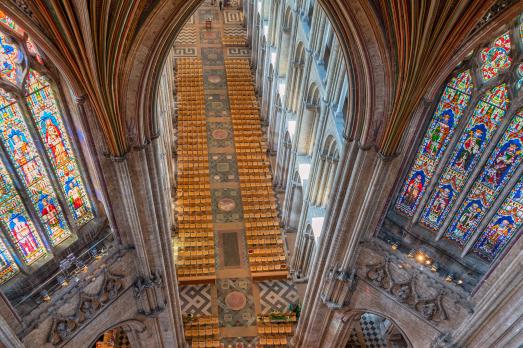
Ely Cathedral
Ely, Cambridgeshire | CB7 4DL
Queen Etheldreda was foundress and abbess of Ely and it was here that she restored an old church and built her monastery.
Search for a fascinating place to visit, or see the variety of churches, chapels and meeting houses we have supported.
Ely, Cambridgeshire | CB7 4DL
Queen Etheldreda was foundress and abbess of Ely and it was here that she restored an old church and built her monastery.
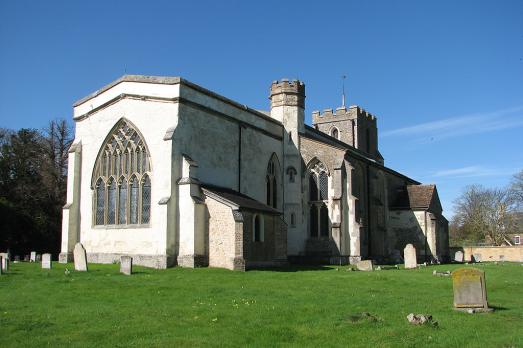
Harlton, Cambridgeshire | CB23 1ET
Huge windows make Harlton's church immediately interesting, and they dominate its character inside as well as out.

Turville, Buckinghamshire | RG9 6QU
12th century village church best known for being 'St Barnabus' in the television series 'The Vicar of Dibley'.
Froxfield, Wiltshire | SN8 3JY
A beautiful, simple medieval English village church.
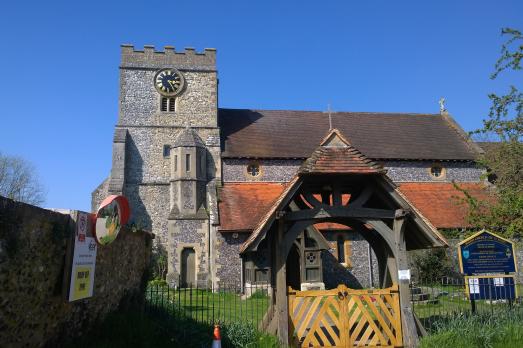
Streatley on Thames, Berkshire | RG8 9HU
St Mary's church has the privilege of nestling close to one the loveliest stretches of the River Thames.
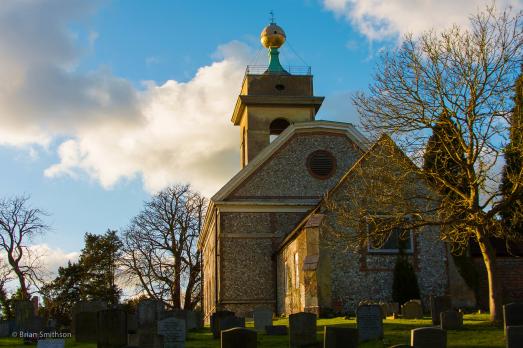
West Wycombe, Buckinghamshire | HP143AP
St Lawrence is an unmistakable church perched high on West Wycombe Hill with the famous 'Golden Ball' at the top of the tower.
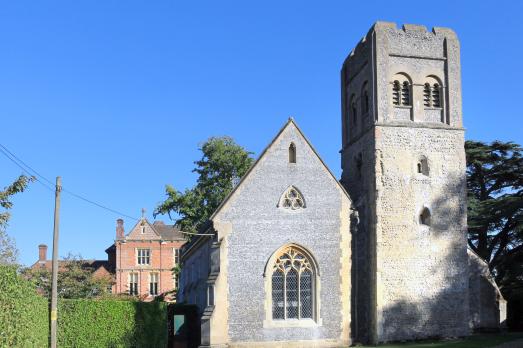
Wickham, Berkshire | RG20 8HD
Prepare yourself for surprises when you go into this church, from the outside nothing looks untoward, except that the tower is clearly Saxon, and the whole of the rest of the building is obviously very much later.
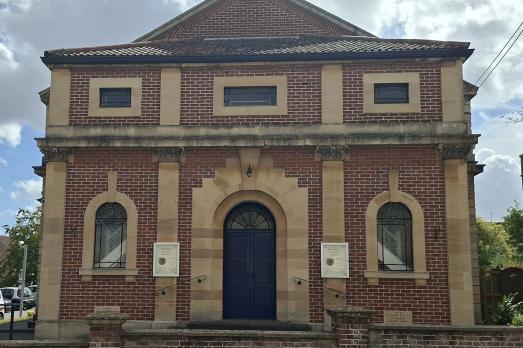
Trowbridge, Wiltshire | BA14 0AA
We are a modern and contemporary church meeting in a historic building.
Alton Priors, Wiltshire | SN8 4LB
Mysterious trapdoors, buried Sarsen stones and ancient yew trees.
We have supported this church
Marden, Wiltshire | SN10 3PF
The church is placed on a small rise.
We have supported this church
Alton Barnes, Wiltshire | SN8 4LE
This Grade I church is to be found in a farmyard setting.
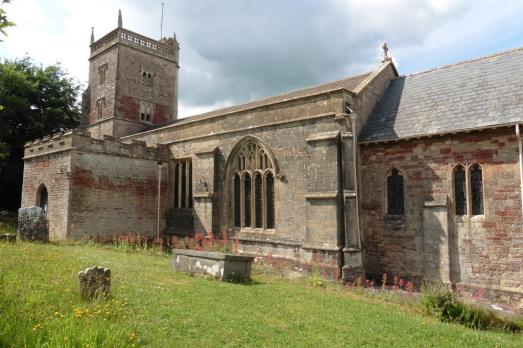
East Harptree, City of Bristol | BS40 6BD
12th century church with Victorian and medieval wall paintings, War Memorial window by Karl Parsons, norman and fomanesque features, Tudor Monument to Sir John Newton and seven Hunky Punks.
We have supported this church