Find a church

Search for a fascinating place to visit, or see the variety of churches, chapels and meeting houses we have supported.

Wincobank Chapel

Wincobank, Yorkshire | S5 6BB

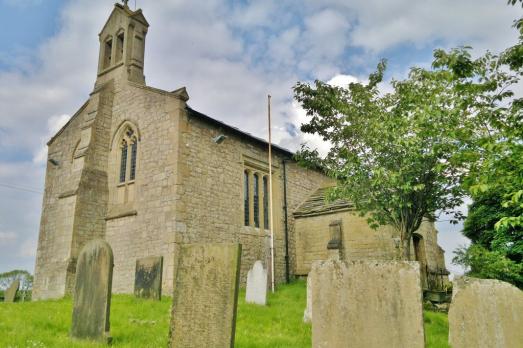
We are pleased to welcome you to this Grade II listed chapel only five minutes walk from the site of the Ironage Hillfort on Wincobank Hill.

Chapel of St Mary the Virgin

Clumber Park, Nottinghamshire | S80 3BE

Designed by GF Bodley for the Seventh Duke of Newcastle this 'Cathedral in Miniature' has stood at the heart of Clumber Park for 130 years.

St Clement

Old Romney, Kent | TN29 9QH

John Betjeman described this church as 'tumbledown' in the 1960s, but he also made it clear that he really liked it as it still retains its charm and history.

St Giles

Cromwell, Nottinghamshire | NG23 6JD

Cromwell, a small village of around 200 inhabitants, lies to the west of the Trent about five miles north of Newark.

St Paul Wordsworth Avenue

Sheffield, Yorkshire | S5 9JH

We are open on the last Thursday morning of the month for coffee and a wonder around our Grade II* listed building.

St Peter & St Paul

Todwick, Yorkshire | S26 1HN

Step back in time at this unique and beautiful village church, almost certainly built in Anglo Saxon times, during the early 11th century and this building forms the nave of the current church.

St Paul

Parsons Cross, Yorkshire | S5 9JH

The church was designed by Basil Spence, the architect of Coventry Cathedral, and was consecrated on the Eve of the Conversion of St Paul, January 24 1959.

St Mary the Virgin

Burwell, Cambridgeshire | CB25 0HB

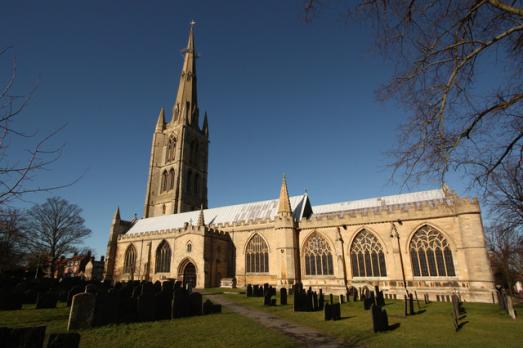
St Mary's is a grand church, reflecting a time when Burwell was an inland port.

St Mary

Westwell, Kent | TN25 4JX

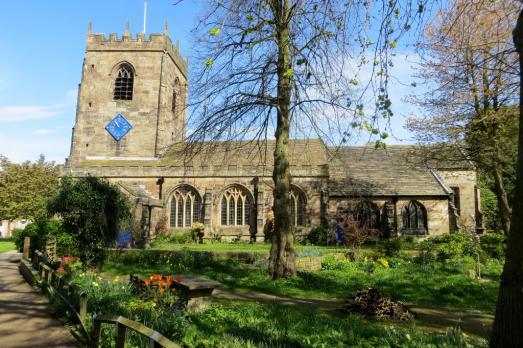
A friendly meeting place in an historic medieval church.

St Augustine

Snave, Kent | TN26 2QJ

This little church was declared redundant in 1983, but was saved from secular use by the Romney Marsh Historic Churches Trust, which now maintains it.

St Mary

Wilsford, Lincolnshire | NG32 3NS

A church at Wilsford is mentioned in Domesday Book, but the building dates to the 11th to 15th centuries, with a restoration in 1860 by Kirk and Parry.