
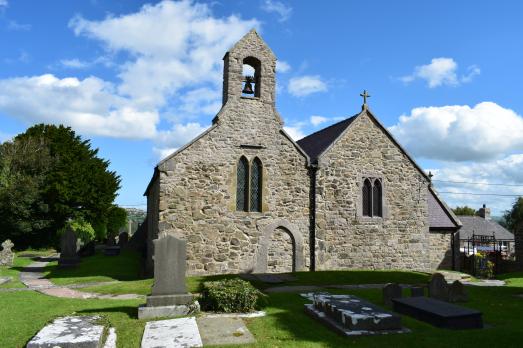
St Elian
Llanelian, Clwyd | LL28 8UW
A double naved medieval Welsh church, named for the 6th century saint St Elian.
Search for a fascinating place to visit, or see the variety of churches, chapels and meeting houses we have supported.
Llanelian, Clwyd | LL28 8UW
A double naved medieval Welsh church, named for the 6th century saint St Elian.
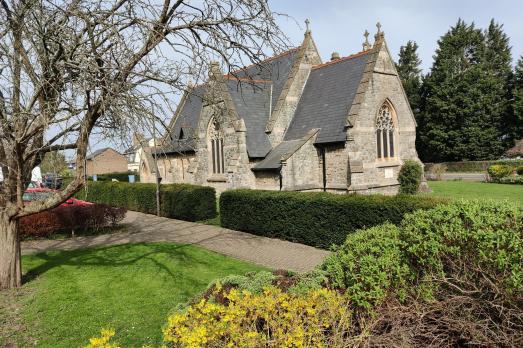
Coxheath, Kent | ME17 4PN
Grade II listed church, previously a workhouse chapel.
We have supported this church
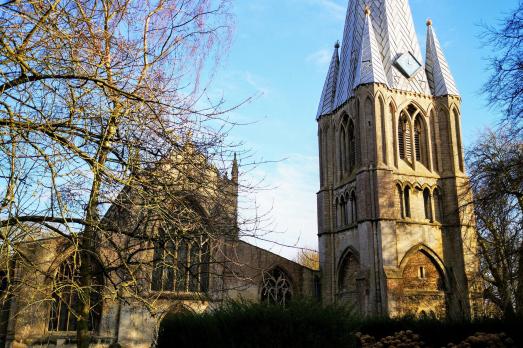
Long Sutton, Lincolnshire | PE12 9JJ
Long Sutton's tower, standing to one side of the church, was built in the 13th century and, until the 18th century had open arches at its base.
We have supported this church
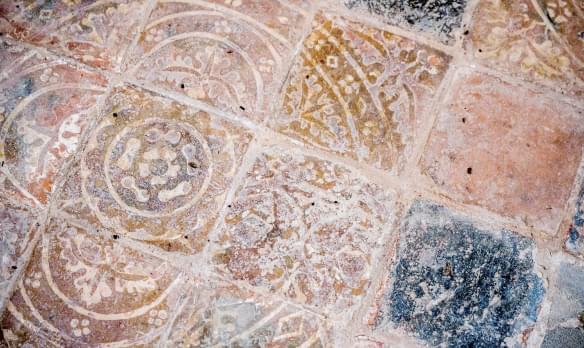
Mossley, Greater Manchester | OL5 0LP
A beautiful church, in the delightful town of Mossley.
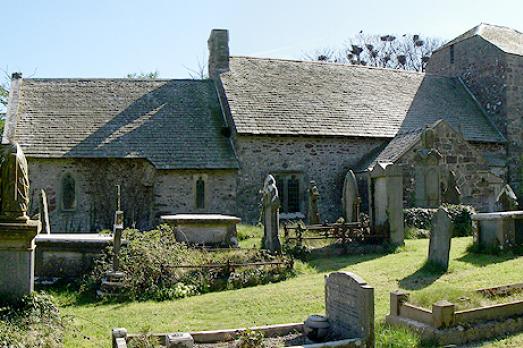
Herbrandston, Pembrokeshire | SA73 3TD
A medieval church with a short, 15th century west tower, set in the 'doubly thankful' village of Herbrandston.
Maidstone, Kent | ME14 1QU
Hidden away on Week Street this church is much more than appears from the street.
We have supported this church
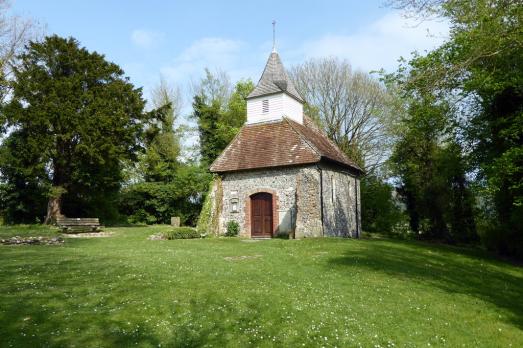
Lullington, Sussex | BN26 5QX
Originally part of a much larger building, which was destroyed by fire (probably in the time of Cromwell), the tiny church of The Good Shepherd was rebuilt from the original chancel.
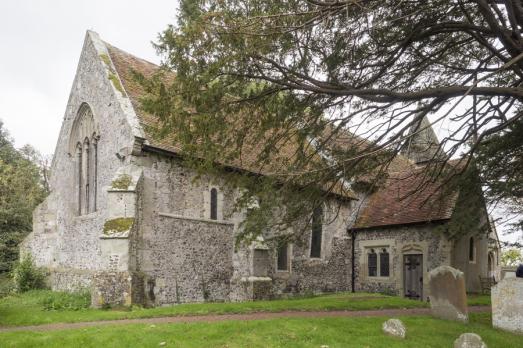
Wilmington, Sussex | BN26 5SL
Wilmington is a Downland village of Saxon origin, the present church was first built around 1200 as a chapel to the adjacent Priory and a feature of the churchyard is the ancient Yew tree, estimated to be 1600 years old, the trunk having a girth of 23ft.
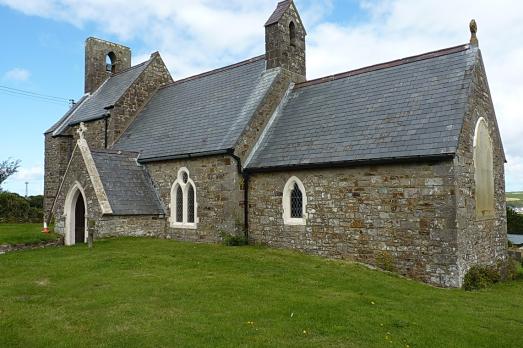
Walton West, Pembrokeshire | SA62 3UA
Beautifully updated ancient church.
Kettlethorpe, Lincolnshire | LN1 2GZ
On this site Katherine Swynford, mistress of John of Gaunt, lived and worshipped, come and find our about their famous love affair and court scandal at the Katherine exhibition.
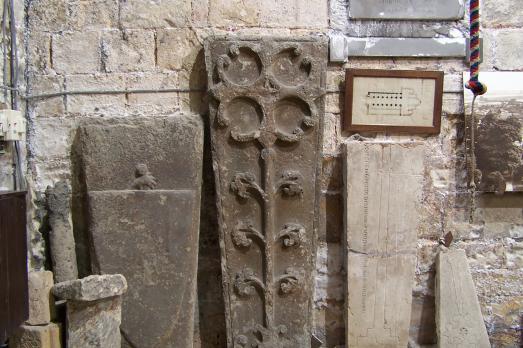
Blyth, Nottinghamshire | S81 8HL
The Benedictine Priory at Blyth was established by Roger de Busli in 1088, the first monastery in Nottinghamshire.
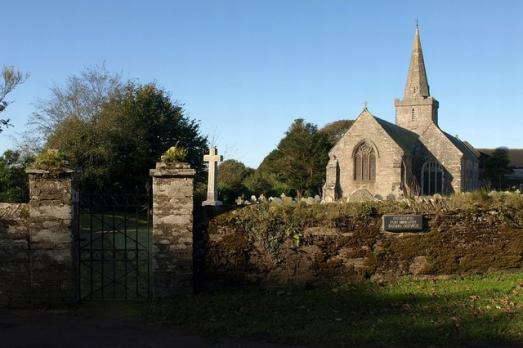
Bigbury, Devon | TQ7 4AP
A 2* listed church full of character in the heart of an Area of Outstanding Natural Beauty in the stunning South Hams.
We have supported this church