
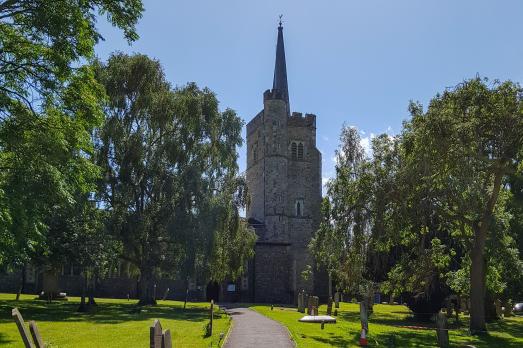
St John the Baptist
Aldenham, Hertfordshire | WD25 8BE
Delightful, traditional 13th century church set in the village of Aldenham, midway between Watford and Radlett.
Search for a fascinating place to visit, or see the variety of churches, chapels and meeting houses we have supported.
Aldenham, Hertfordshire | WD25 8BE
Delightful, traditional 13th century church set in the village of Aldenham, midway between Watford and Radlett.
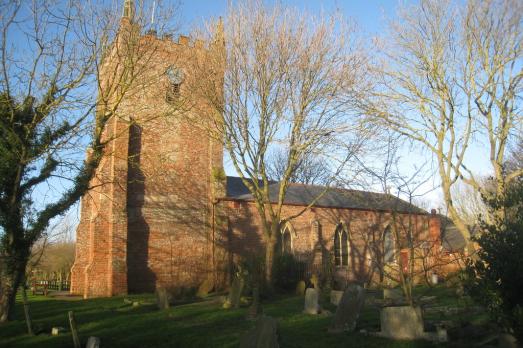
Trusthorpe, Lincolnshire | LN12 2PH
For many years, people have worshipped on the site of St Peter's, in the small, rural village of Trusthorpe and visitors have often remarked on the atmosphere or spirit of the place.
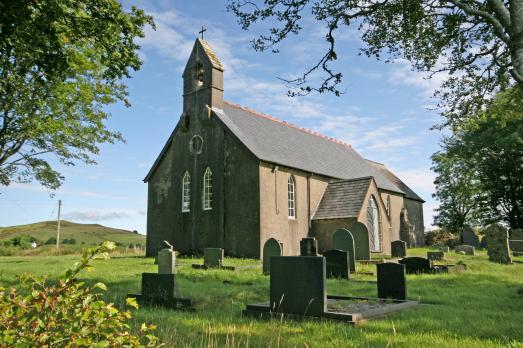
Llantrisant, Anglesey | LL65 4AP
The old church of Llantrisant, now accessible only on foot, was supplanted by a new Victorian church a mile to the east in 1899.
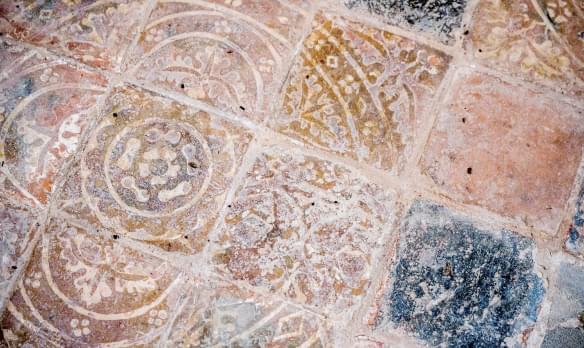
Llanarthne, Carmarthenshire | SA32 8JE
On the 6th October 2019 our chapel celebrates 150 years continuous worship.
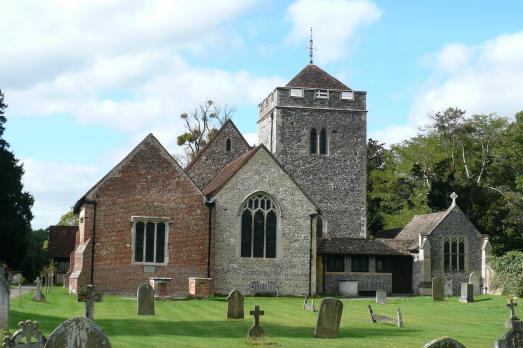
Stoke Poges, Buckinghamshire | SL2 4LN
The churchyard here is famously said to have inspired Thomas Gray to write his Elegy in a Country Churchyard in 1750, and he is buried close to the east wall of the church.
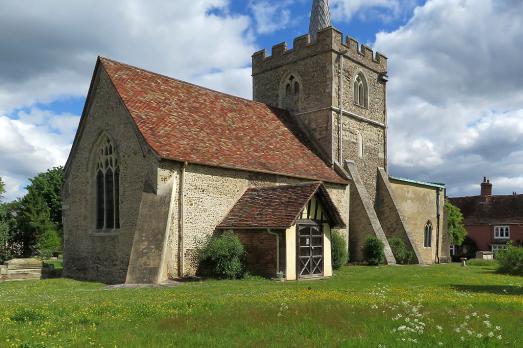
Duxford, Cambridgeshire | CB22 4RG
A heavenly church with Templar links.
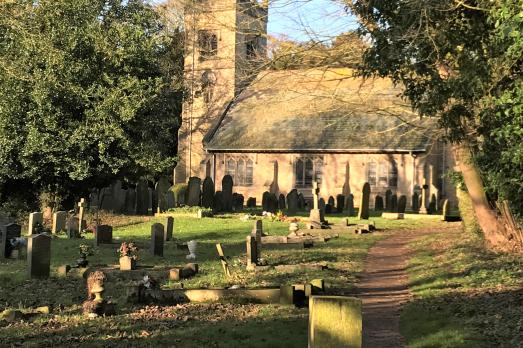
Sproatley, Yorkshire | HU11 4PR
Beautiful Grade II listed parish church of grey brick construction, in a Gothic Revival style, standing in a secluded churchyard.
We have supported this church
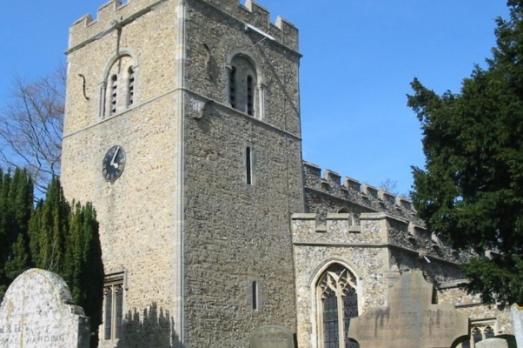
DuxfordDuxford, Cambridgeshire | CB22 4RJ
A lovely flint and fieldstone village church with Norman roots.
Cippenham, Berkshire | SL1 5RE
St Andrew’s is special, it is the first church in Britain specifically designed to be shared by the Anglican and Roman Catholic communities.
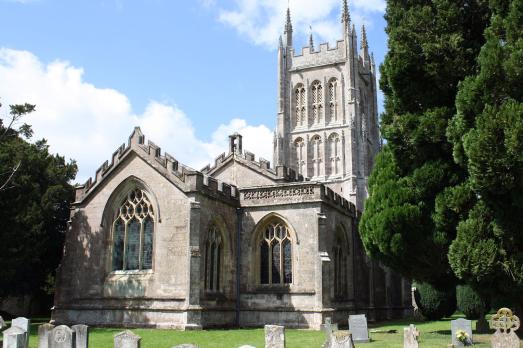
Mells, Somerset | BA11 3PW
Mells is a picturesque rural village in the Mendip hills.
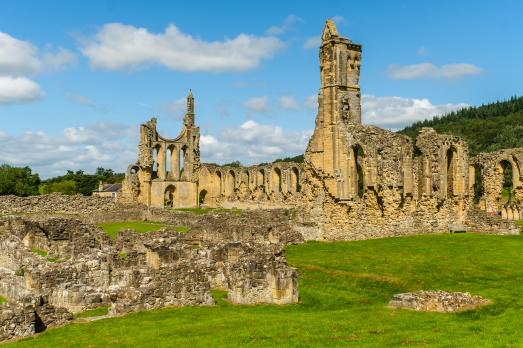
Coxwold, Yorkshire | YO61 4BD
A truly outstanding example of early Gothic architecture which was once one of the greatest monasteries in England and the inspiration for the design of church buildings throughout the north.
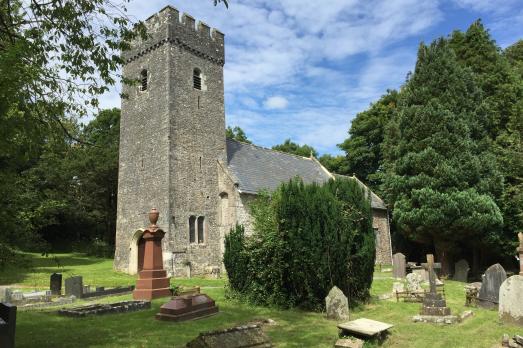
Llantrithyd, Glamorgan | CF71 7UB
Next door to the ruins of Llantrithyd Place, the church has monuments of the Aubrey family.
We have supported this church