
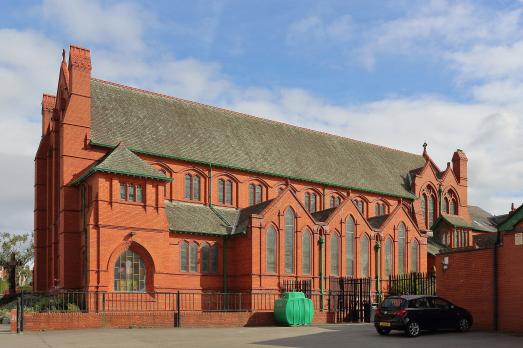
St Joseph
Birkenhead, Merseyside | CH42 7JY
Designed by E Kirby and opened in 1900 Saint Joseph's is a welcoming church with a highly decorated interior.
We have supported this church
Search for a fascinating place to visit, or see the variety of churches, chapels and meeting houses we have supported.
Birkenhead, Merseyside | CH42 7JY
Designed by E Kirby and opened in 1900 Saint Joseph's is a welcoming church with a highly decorated interior.
We have supported this church
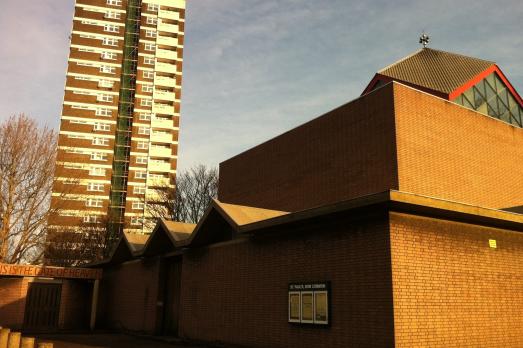
Bow Common, Greater London | E34AR
St Paul's Bow Common is the most famous and significant parish church to be built in Britain in the latter half of the 20th century.
We have supported this church
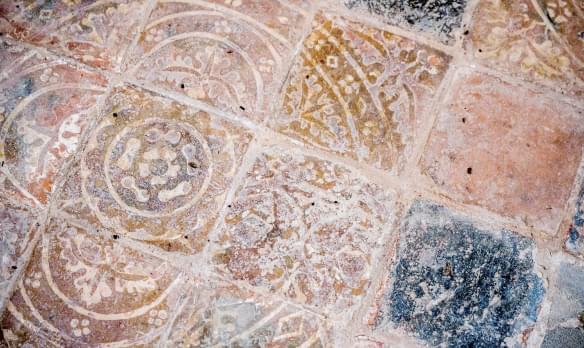
All Stretton, Shropshire | SY6 6LB
St Michael & All Angels has been built on the side of Castle Hill on the Shrewsbury side of All Stretton.
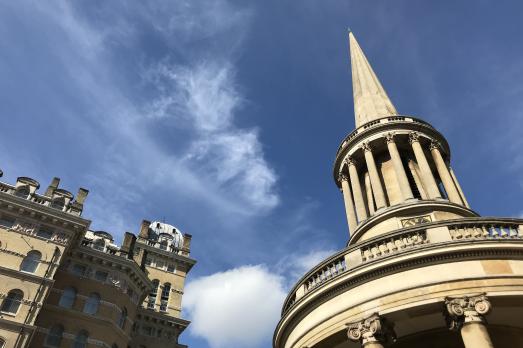
Langham Place, Greater London | W1B 3DA
This so called Waterloo church was built in 1823, one of many commemorating Wellington's 1815 victory over Napoleon.
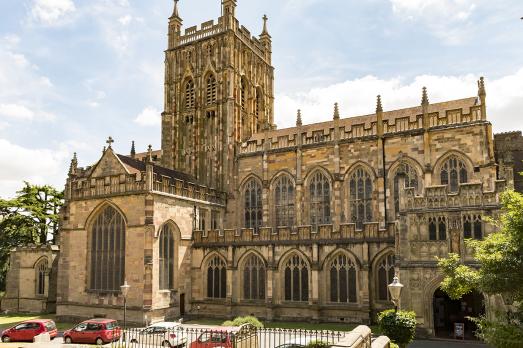
Great Malvern, Worcestershire | WR14 2AY
When the priory was founded in the 11th century, this part of Worcestershire was a densely wooded forest, probably as remote as anywhere in England.
We have supported this church
Wallasey, Merseyside | CH44 7ED
A grade II listed building, designed by Edmund Kirby and consecrated in 1889 to serve the parish community of Seacombe in Wallasey.
We have supported this church
Shotton, Flintshire | CH5 1BX
Rivertown church has stood on the high street in Shotton for over 125 years and has always served its community.
Plaistow, Greater London | E13 8AL
The Memorial Baptist Church building was opened in 1922 to house the church and its welfare work.
We have supported this church
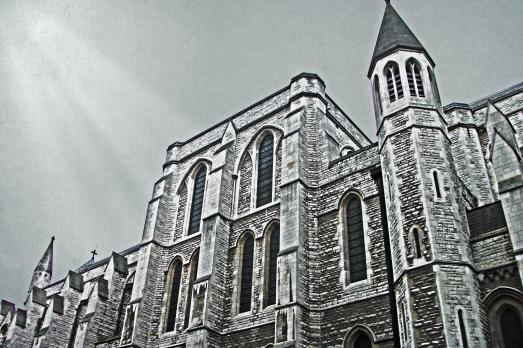
Spanish Place, Greater London | W1U 3QY
The successor church to the Spanish Embassy chapel by Bonomi was built by his great grandson, Edward Goldie, following a limited competition.
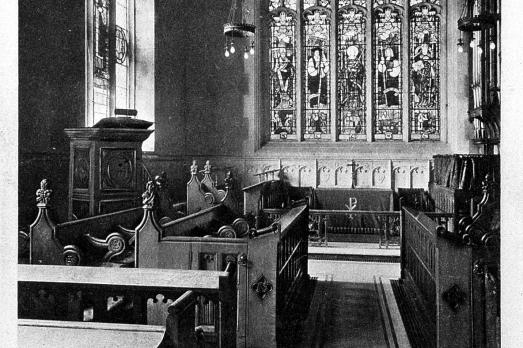
Holborn, Greater London | WC1R 5ET
This is the chapel of one of the four Inns of Court. It is on the site of the chapel built in 1315, and rebuilt in the 1960s following destruction in the Second World War.
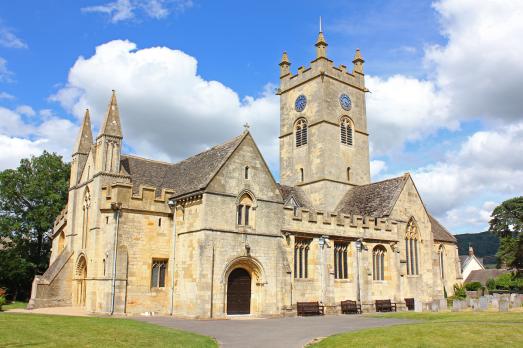
Bishop's Cleeve, Gloucestershire | GL52 8LJ
Built on a Saxon foundation that may date back to the 700s, the present church takes character from the 1170s, when it was rebuilt by the Normans and transformed into a large and splendid building.

Bloomsbury, Greater London | WC1A 2SA
St George's Bloomsbury, the work of Nicholas Hawksmoor, is one of the finest Baroque churches in London and indeed has been described as ‘one of the capital’s most wonderful buildings’.