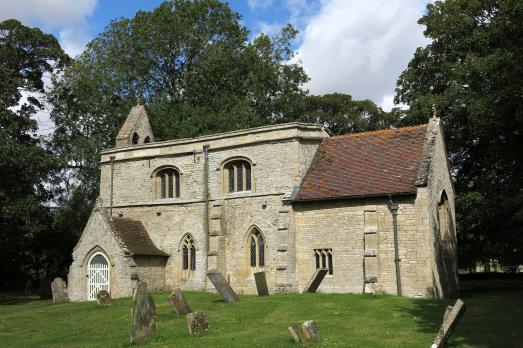
St Margaret
Braceby, Lincolnshire | NG34 0TA
A 13th century church that is recorded in the Doomsday Book.
We have supported this church
Search for a fascinating place to visit, or see the variety of churches, chapels and meeting houses we have supported.
Braceby, Lincolnshire | NG34 0TA
A 13th century church that is recorded in the Doomsday Book.
We have supported this church
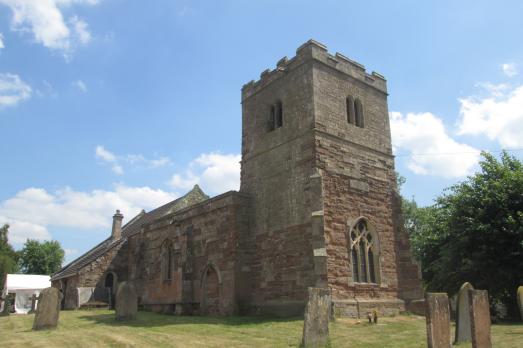
Bilsthorpe, Nottinghamshire | NG22 8RU
Dates from the 13th century and is thought to have replaced an earlier Saxon preaching cross, the remains of which are preserved in a glass case in the south transept.
We have supported this church
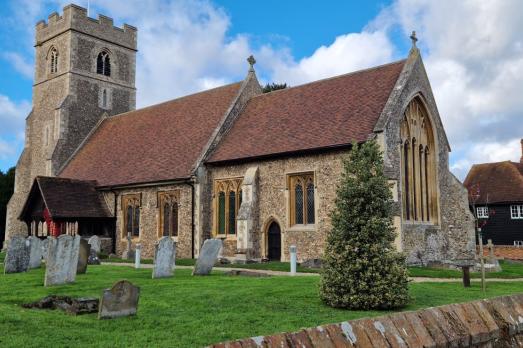
Willingale, Essex | CM5 0SJ
The beautiful church of St Christopher was built in 1320. It is unique in sharing a churchyard with the older church of St Andrew & All Saints.
We have supported this church

Willingale Spain, Essex | CM5 0SJ
Mainly Norman, with traces of reused Roman brick, St Andrew's has a pretty clapboard bell turret and porch, and shares a churchyard with the later church of St Christopher.
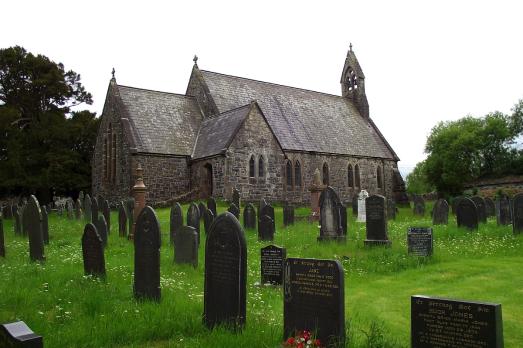
Ysbyty Ifan, Denbighshire | LL24 0NS
The smallest picturesque village with the biggest history in Wales, centred around our church!
We have supported this church
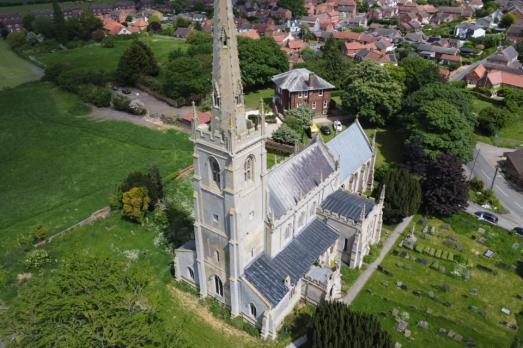
Claypole, Lincolnshire | NG23 5AD
Located in the Lincolnshire village of Claypole, St Peter's is a thriving church at the centre of its community where all are welcome and everyone belongs.
We have supported this church
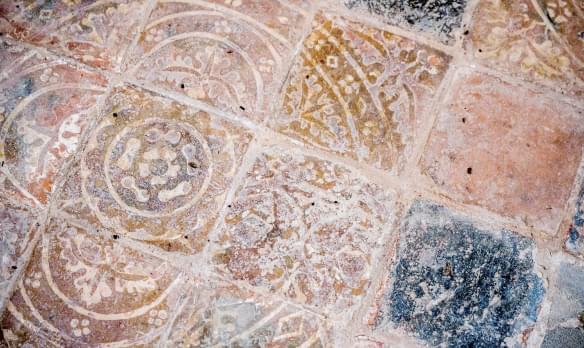
Hove, Sussex | BN3 3HE
A gem on 'Poets Corner'.
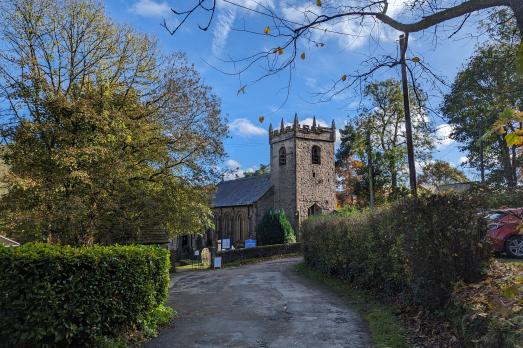
Taxal, Derbyshire | SK23 7DY
This picturesque church is the oldest building in Whaley Bridge and is a prayerful place of great historic interest and heritage value.
We have supported this church
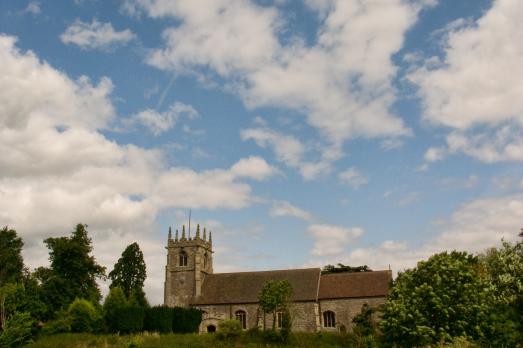
Averham, Nottinghamshire | NG23 5RB
The church has Anglo Saxon origins but is mainly 14th and 15th century.
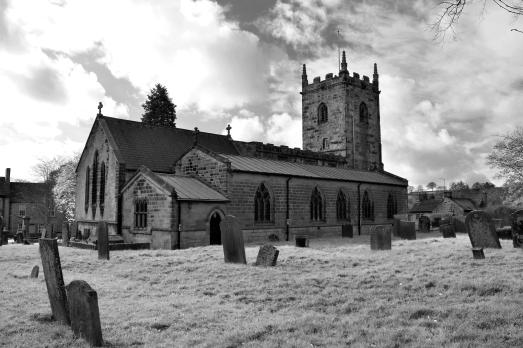
Eyam, Derbyshire | S32 5QH
On a gentle hill in the village of Eyam in Derbyshire’s beautiful Peak District, Eyam is noted for the historical reality of the plague in 1665-66.
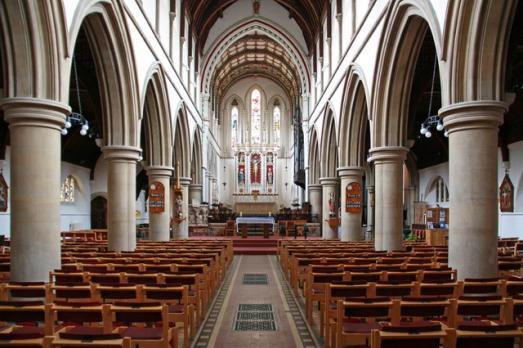
Brentwood, Essex | CM14 4DB
There has been a church of St Thomas of Canterbury in Brentwood since the 13th century, and we are very much at the heart of the community.
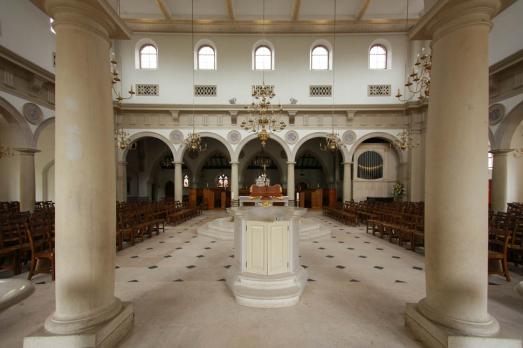
Brentwood, Essex | CM15 8AT
The Cathedral is the mother church of the Diocese of Brentwood, as well as being the home of the vibrant Cathedral Parish here in Brentwood.