
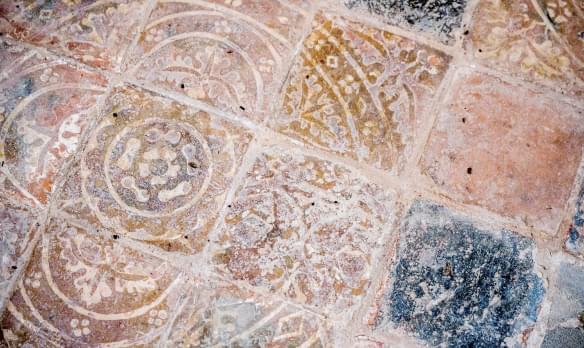
St Katharine & St Peter
Winterbourne Bassett, Wiltshire | SN4 9PU
This Grade 1 church is noted for its late 13th century Decorated work, described by Betjeman as an architectural gem.
Search for a fascinating place to visit, or see the variety of churches, chapels and meeting houses we have supported.
Winterbourne Bassett, Wiltshire | SN4 9PU
This Grade 1 church is noted for its late 13th century Decorated work, described by Betjeman as an architectural gem.
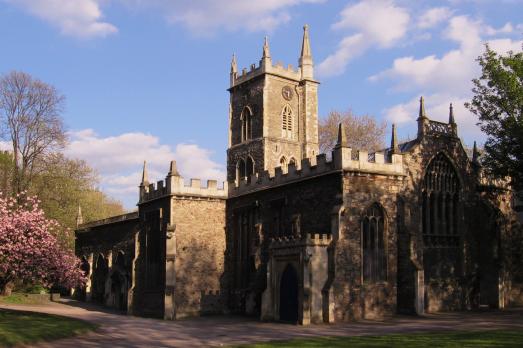
Tower Hill, City of Bristol | BS2 0ET
A small Benedictine priory stood here in the year 900 AD and the chancel area of the present church is thought to be the site of its chapel.
We have supported this church
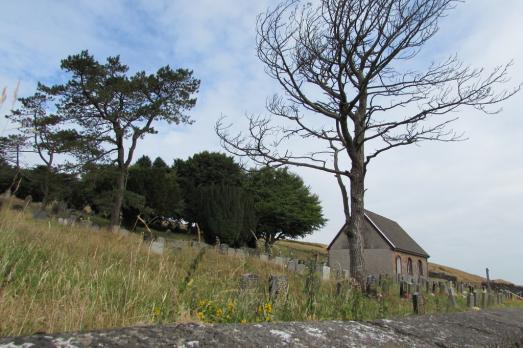
Pentwyn Fochriw, Glamorgan | CF81 9NJ
Originally the site of a schoolroom, a chancel was added and opened for worship in 1864 with an adjacent burial ground consecrated in 1866.
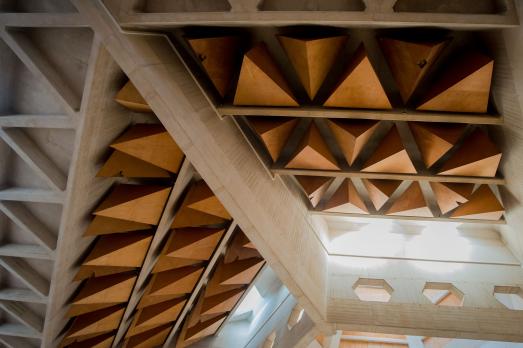
Bristol, City of Bristol | BS8 3BX
Whether you have just arrived via the internet or you are making a personal visit to the Cathedral, please feel most welcome.
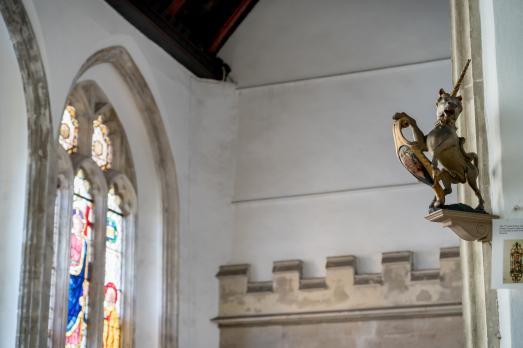
Bristol, City of Bristol | BS1 2EZ
A church rising out of Bristol's north gate.
Bristol, City of Bristol | BS1 2EJ
A church has stood on the present site since Norman times, this probably being the third, but in 1786 the medieval building, which had a history of instability, was judged beyond repair and pulled down.

Oldland Common, Gloucestershire | BS30 9QN
In 1811 the newly erected church could somehow seat 256 people plus 94 other and had a capacity congregation each Sunday.
Far Cotton, Northamptonshire | NN4 8EZ
St Mary's is a friendly, welcoming church with real people and community roots.
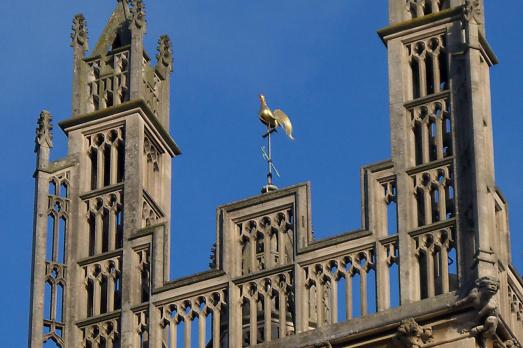
Bristol, City of Bristol | BS1 1EQ
The parish church for the city of Bristol.
We have supported this church
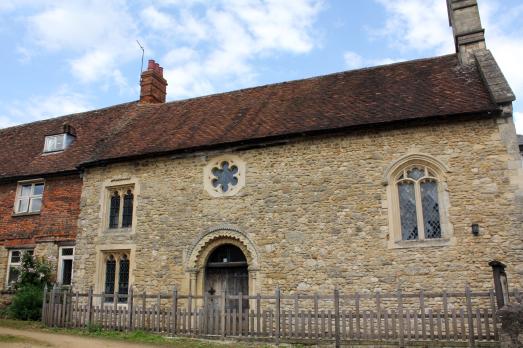
Buckingham, Buckinghamshire | MK18 1JX
15th century chapel, restored by Gilbert Scott in 1875.
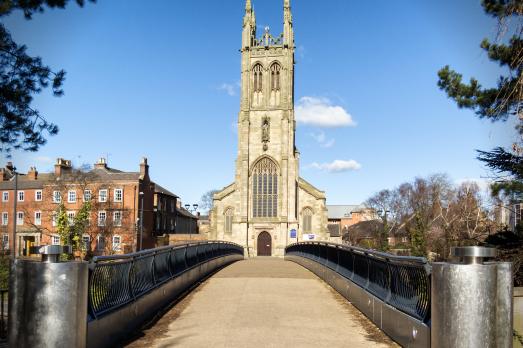
Derby, Derbyshire | DE1 3AU
Augustus Welby Northmore Pugin was one of 19th century England's foremost architects, a proponent of Gothic Revival, and the mastermind behind the Houses of Parliament in London.
Derby, Derbyshire | DE1 3AT
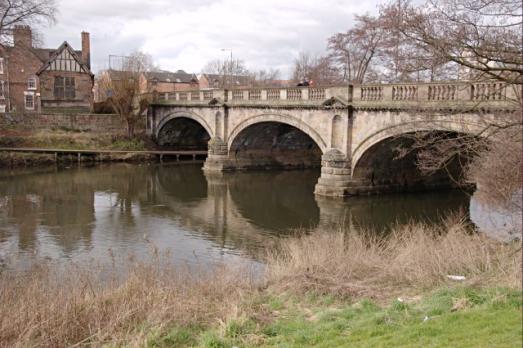
Dating largely from the 14th century, this little chapel originally stood on the first arch of a medieval bridge over the Derwent; the springing of the arch can still be seen below the east wall.