St Patrick
Belfast, County Antrim
The first church was built on this site in 1815 and was the second Catholic church built since the Reformation in the city of Belfast.

101 Donegall Street is more than a church building - it is a 220 year story of faith, justice, and compassion; a beautiful home for our church and a welcoming space for our city.
Belfast, County Antrim
101 Donegall Street is a Grade B1 listed landmark with a 220 year legacy of resilience and social justice in the heart of Belfast. Established in 1804 as "The Tabernacle," a simple meeting house designed by James Harper, the site has been a cornerstone of faith for over two centuries.
The building has undergone several architectural reincarnations, earning it the nickname "Belfast’s Phoenix Church". A grander Gothic structure by William Raffles Brown was completed in 1860, only to be destroyed by a catastrophic fire in 1931 that left just four blackened walls standing. Rebuilt by architect John Seeds in 1934 to maintain a "feeling of continuity," the church suffered again during the 1941 Belfast Blitz. Its final major restoration in 1955 by Samuel Stevenson & Sons introduced the iconic concentric rose window, designed to symbolise the building and the city rising from the ashes.
Beyond its architecture, the building holds a profound social history of "giving a voice to the voiceless". In 1845, it hosted the first Belfast lecture by the renowned abolitionist Frederick Douglass, who advocated for universal freedom from its pulpit. In the 1850s, its minister, Revd William Murphy O'Hanlon, penned the seminal social document Walks Among the Poor of Belfast, which exposed the city’s squalor and challenged the public to care for its most underprivileged members.
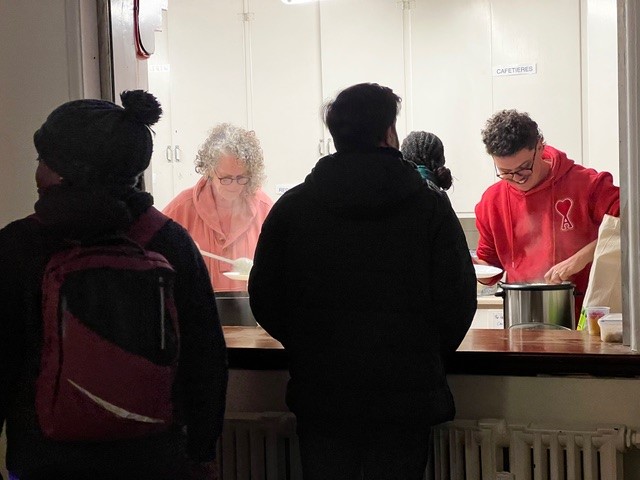
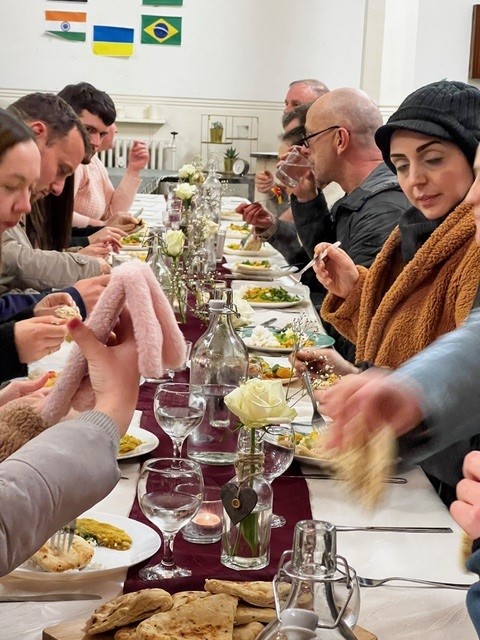
Today, as the home of Redeemer Central and a key member of the North Belfast Heritage Cluster, the building continues this legacy of radical hospitality and social engagement. Through "The 101 Project" the community is committed to preserving this heritage, ensuring its stories of faith, perseverance, and compassion remain accessible to future generations.
Belfast, County Antrim
The first church was built on this site in 1815 and was the second Catholic church built since the Reformation in the city of Belfast.
Belfast, County Antrim
Belfast’s oldest surviving place of worship embodying centuries of heritage in its architecture, memorials, and stained glass.
Belfast, County Antrim
Step into St Mary’s, an oasis of calm amidst Belfast's bustling streets.