
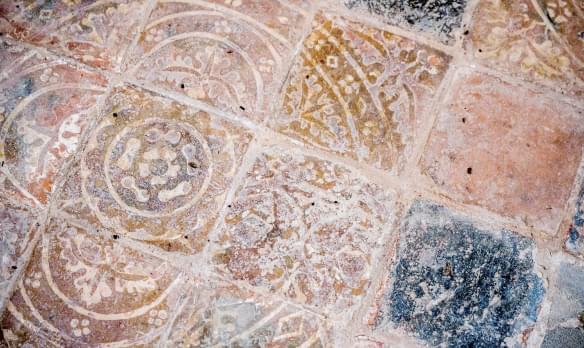
St Christopher
Nottingham, Nottinghamshire | NG2 4AL
St Christopher’s is an early 20th century building serving a parish to the east of Nottingham city centre.
We have supported this church
Search for a fascinating place to visit, or see the variety of churches, chapels and meeting houses we have supported.
Nottingham, Nottinghamshire | NG2 4AL
St Christopher’s is an early 20th century building serving a parish to the east of Nottingham city centre.
We have supported this church
Owston, Yorkshire | DN6 9JF
This lovely church is 12th century, the village is mentioned in the Domesday Book (1086) as Austin.
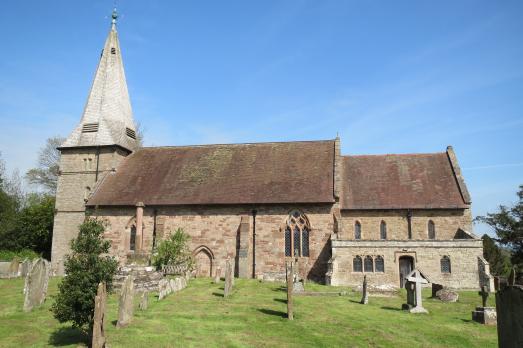
Orleton, Herefordshire | SY8 4HU
The 12th century church has stained glass windows, royal intrigue, a preaching cross and links with Proctor & Gamble to name but a few interesting features.
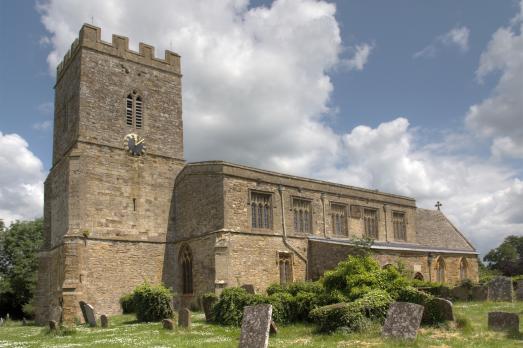
Whichford, Warwickshire | CV36 5PG
In the quiet village of Whichford, nestled in the rolling hills of south Warwickshire and located in the Cotswold Area of Outstanding Natural Beauty.
We have supported this church
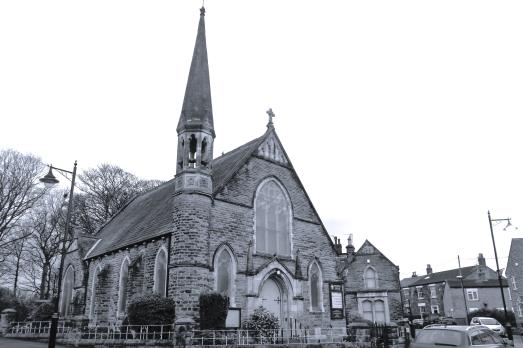
Barwick in Elmet, Yorkshire | LS15 4JS
A fine example of Victorian church architecture.
Calverton, Nottinghamshire | NG14 6FQ
13th century church in Early English style featuring carvings from the 12th century, an historic village church with a difference.
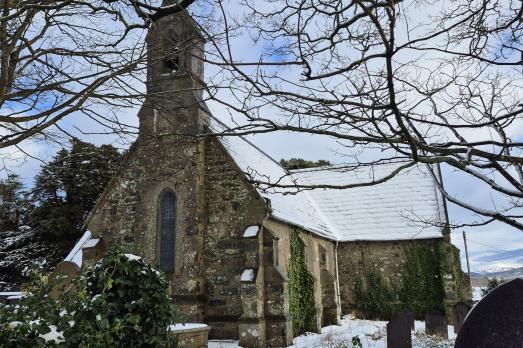
Llanddeiniolen, Gwynedd | LL55 3AR
St Deiniol, reconstructed in 1843, stands beneath impressive yew trees, officially documented as being 2,000 years old.
We have supported this church
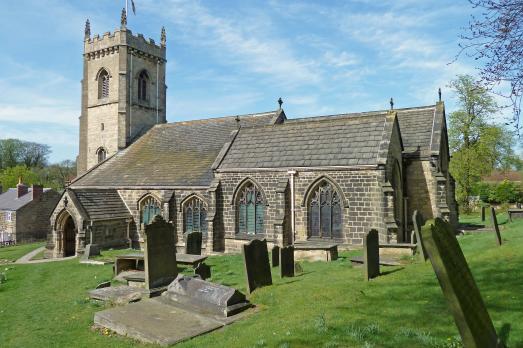
Thorner, Yorkshire | LS14 3ED
Beautiful 19th-century church with 15th-century tower, built in sandstone and placed prominently in an attractive village.
We have supported this church
Womersley, Yorkshire | DN6 9BH
On the outside, a fine medieval church with a broach spire and on the inside, a complete Victorian Gothic interior by GF Bodley with beautifully decorated ceilings throughout the church.
We have supported this church
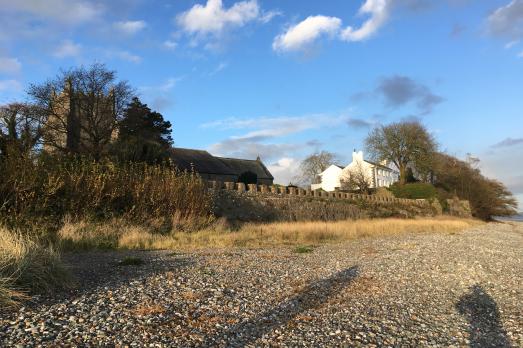
Aldingham, Cumbria | LA12 9RT
Aldingham church hugs the Cumbrian side of Morecambe Bay and is open to the wild beauty of the Bay, an area of designated county landscape importance and scenic beauty.
Bardsey, Yorkshire | LS17 9DN
The core of the present church, one of the best surviving Anglo Saxon buildings in West Yorkshire, was built about 1200 years ago, and much remains of the tall narrow Saxon nave and tower.
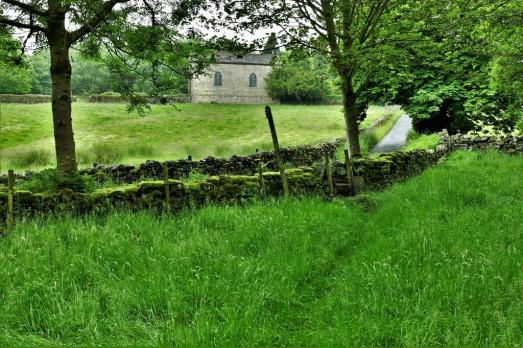
Thornthwaite, Yorkshire | HG3 2QX
Built on the site of a 15th century chapel for rest, half way between Bolton and Fountains Abbeys; St Saviour's is beautiful, simple church in the heart of the Nidderdale AONB.