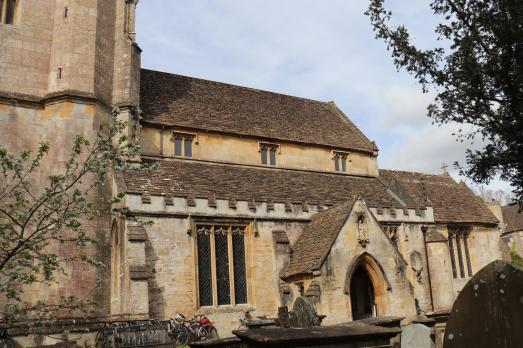
St Andrew
Castle Combe, Wiltshire | SN14 7HT
This large Grade I Listed church is essentially Perpendicular, albeit rebuilt in 1850-1.
We have supported this church
Search for a fascinating place to visit, or see the variety of churches, chapels and meeting houses we have supported.
Castle Combe, Wiltshire | SN14 7HT
This large Grade I Listed church is essentially Perpendicular, albeit rebuilt in 1850-1.
We have supported this church
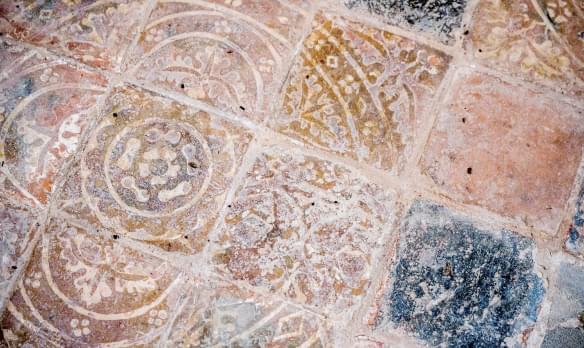
South Wigston, Leicestershire | LE18 4TA
An imposing late Victorian intrigue of grandeur and simplicity on one site.
Swindon, Wiltshire | SN3 1DH
Opening only ten days after the declaration of the Second World War, Immanuel is not strictly a historic church; but it retains all the hallmarks of 1930s non conformist architecture and design from the art deco to the post war modern.
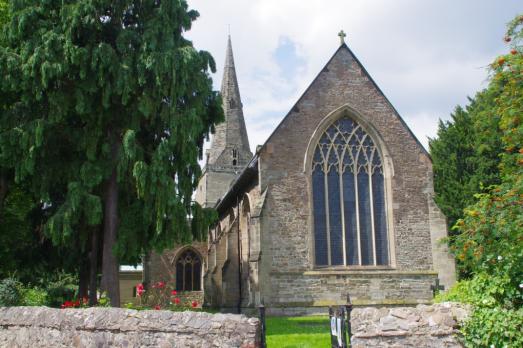
AylestoneAylestone, Leicestershire | LE2 8ND
A beautiful medieval church with many interesting features.
Kington St Michael, Wiltshire | SN14 6JA
Lovely 12th century village church with some fascinating history.
East Haddon, Northamptonshire | NN6 8BU
A beautiful 16th century church offering quiet space for personal reflection and a range of services.
Swindon, Wiltshire | SN1 3HB
Christ Church is a grade II* listed church, built in 1851 to a design by George Gilbert Scott.
Hanley, Staffordshire | ST1 3HH
A church from the 20th century ready for the 21st.
We have supported this church
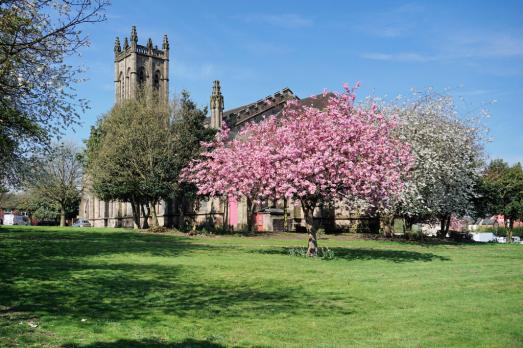
Shelton, Staffordshire | ST1 4LT
Built in 1868, St Mark’s church, the ‘Potters Cathedral’, is a significant local landmark and the home of unique artworks created by artisan potters and craftsmen.
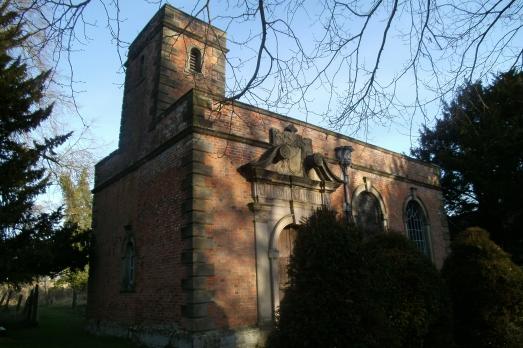
Trusley, Derbyshire | DE6 5JG
In a small, very rural hamlet, Trusley's formal little church is a surprise, being built of red brick in the classical style and dating from 1713.
We have supported this church
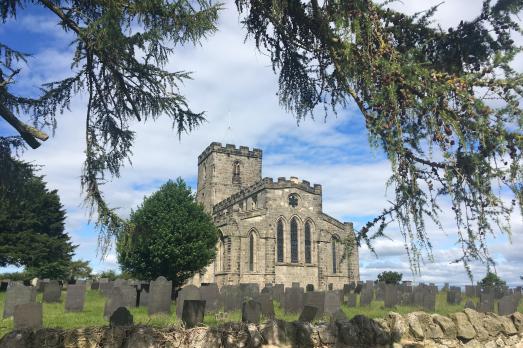
Breedon on the Hill, Leicestershire | DE73 8AJ
St Mary & St Hardulph is a remarkable church not least for its setting, dominating the local landscape and towering above the surrounding countryside.
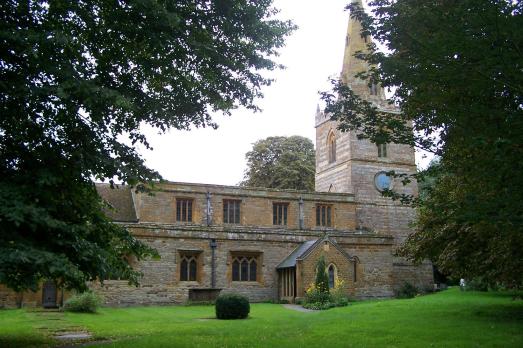
Bugbrooke, Northamptonshire | NN7 3PB
The first documentary evidence for the existence of Bugbrooke is the Domesday Book of 1086, although there is no reference to there being a church then.
We have supported this church