
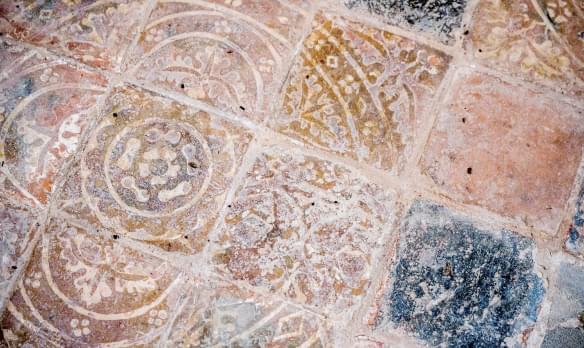
All Saints
Crudwell, Wiltshire | SN16 9EP
The Grade I church is mainly 12th and 13th century.
Search for a fascinating place to visit, or see the variety of churches, chapels and meeting houses we have supported.
Crudwell, Wiltshire | SN16 9EP
The Grade I church is mainly 12th and 13th century.
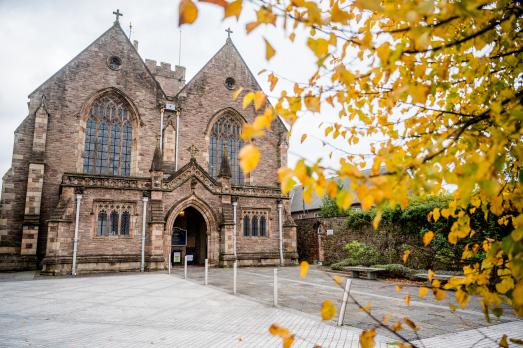
Abergavenny, Monmouthshire | NP7 5ND
Abergavenny parish church was founded in the late 11th century as the church of a Benedictine priory. It is the only part to survive, apart from the later tithe barn.
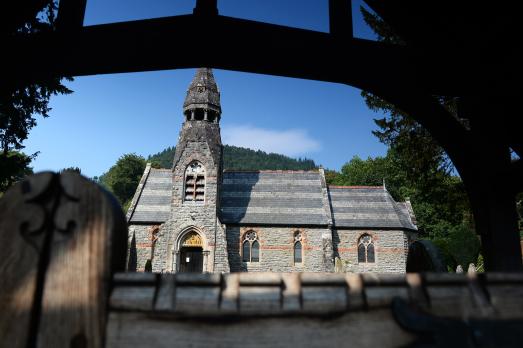
Abbeycwmhir, Powys | LD1 5RP
The church of St Mary in Abbeycwmhir was built in 1865 by Mary Beatrice Philips, sister of the squire.
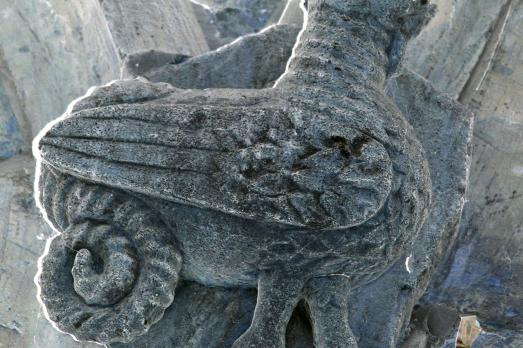
Middleton Cheney, Northamptonshire | OX17 2NR
All Saints is a typical village parish church, but it can be found in many guide books, as it is nationally and internationally famous for its stained glass windows by William Morris.
We have supported this church
Rugby, Warwickshire | CV21 3PF
The church started near the railway station, when Rugby was an expanding railway engineering town.
We have supported this church
Ashton Keynes, Wiltshire | SN6 6QR
The Grade I church is a mixture of styles from Norman to Perpendicular.
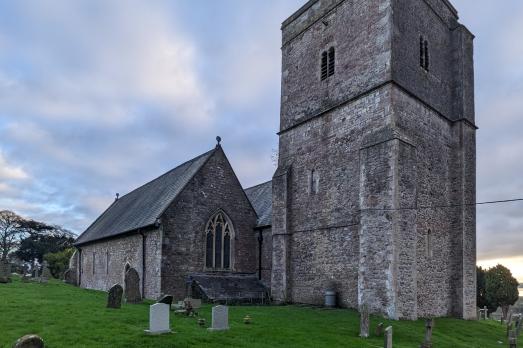
Tidenham, Gloucestershire | NP16 7JQ
This is a beautiful 11th/13th century building overlooking the River Severn with excellent stained glass windows, a wonderful roof beam structure and a number of listed monuments in the churchyard.

Down Ampney, Gloucestershire | GL7 5QW
Early English architecture with a window to Ralph Vaughan Williams who was born in the village and wrote the hymn tune Down Ampney.

Dymock, Gloucestershire | GL18 2AQ
A large medieval church with a well known connection to the Dymock Poets of the First World War.
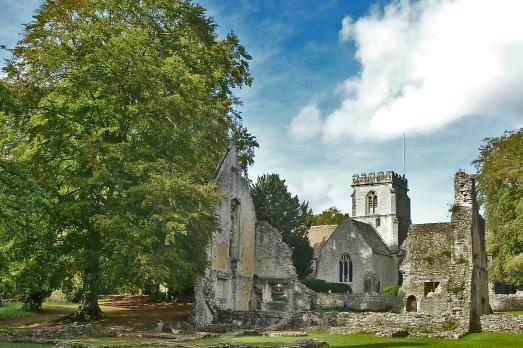
Old Minster Lovell, Oxfordshire | OX290RA
Beautifully sited on the River Windrush, St Kenelm's stands next to the dramatic ruined manor house of the Lovells, who rebuilt the original priory church or minster in the mid 15th century.
Latton, Wiltshire | SN6 6DS
A 12th century stone church in a charming Cotswold village.
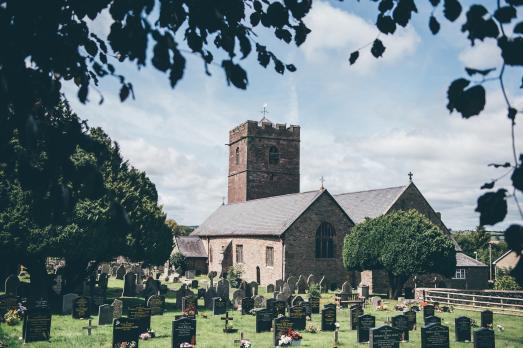
Talgarth, Powys | LD3 0BH
This medieval church is said to occupy the site where St Gwendoline was buried, reputedly one of many saintly descendants of the 5th century king Brychan Brycheiniog.