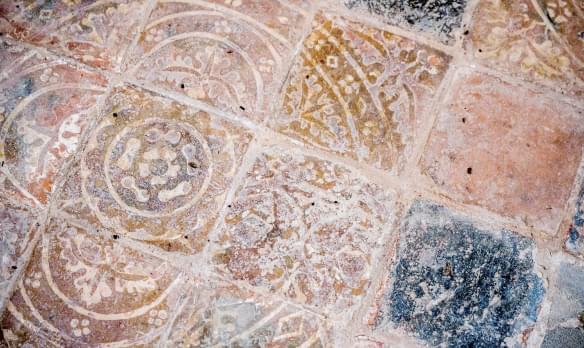
St Peter & St Paul
Charing, Kent | TN27 2LP
Charing is a pretty village, and Market Place is lined with old buildings of flint and brick, including the ruins of an archbishop's palace.
Search for a fascinating place to visit, or see the variety of churches, chapels and meeting houses we have supported.
Charing, Kent | TN27 2LP
Charing is a pretty village, and Market Place is lined with old buildings of flint and brick, including the ruins of an archbishop's palace.
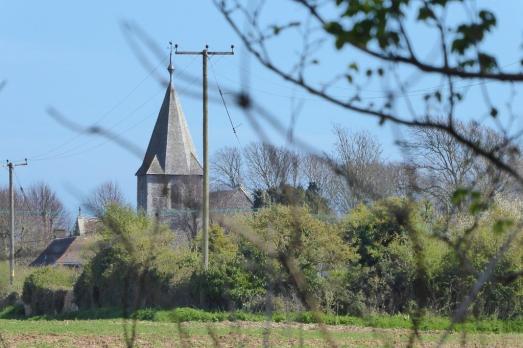
Pagham, Sussex | PO21 4NU
A Norman church built on the site replacing a Saxon church and retaining some of the Saxon features.
We have supported this church
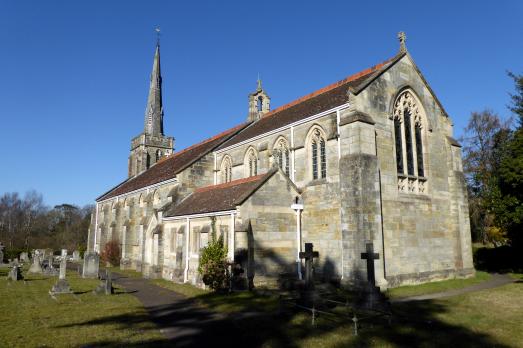
Hadlow Down, Sussex | TN22 4HY
St Mark’s Hadlow Down was consecrated in 1836, and rebuilt just before the First World War.
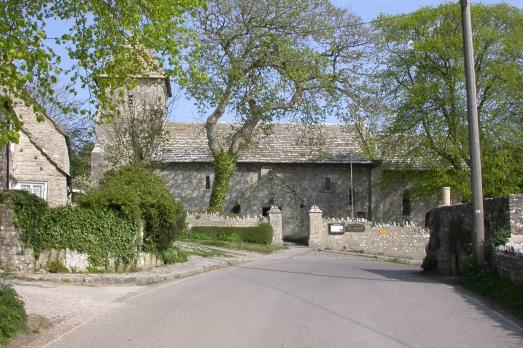
Worth Matravers, Dorset | BH19 3LQ
Exceptional Norman church.
We have supported this church
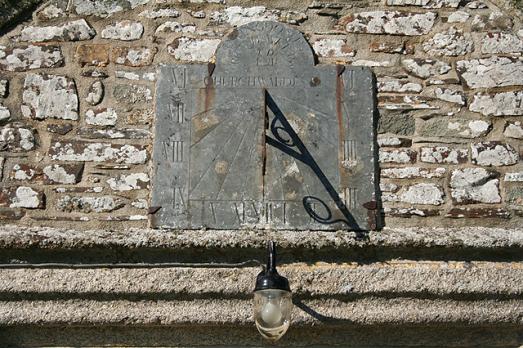
North Petherwin, Cornwall | PL15 8LR
The church of St Paternus stands in pretty countryside, with a churchyard that was almost certainly an early Celtic holy site, as evidenced by the circular shape of the enclosure.
We have supported this church
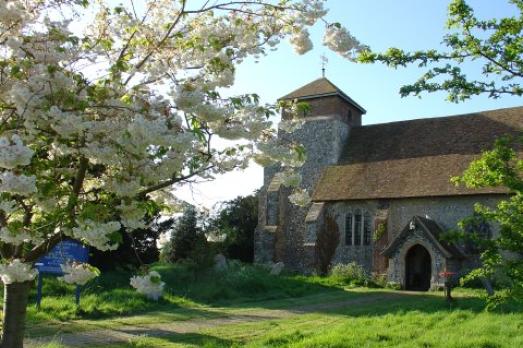
Molash, Kent | CT4 8HD
St Peter's is in a windswept location, in open farmland, with ancient yew trees and a patina of great antiquity.
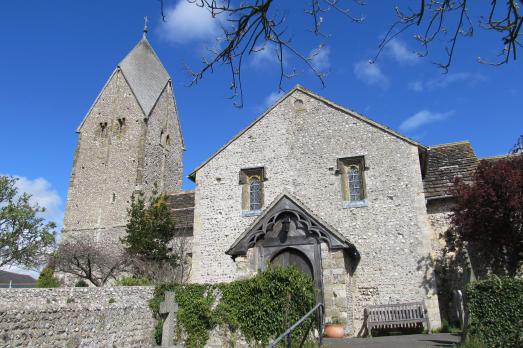
Sompting, Sussex | BN15 0AZ
Travellers could be forgiven for suddenly imagining themselves in the Rhine Valley when the extraordinary tower of this ancient church comes into view.
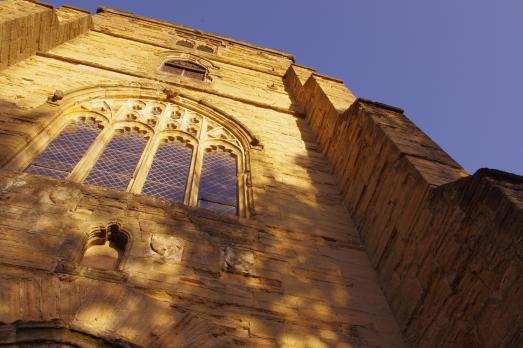
Cranbrook, Kent | TN17 3HA
The old market town of Cranbrook shares with Tenterden the claim to be the capital of the Kentish Weald.
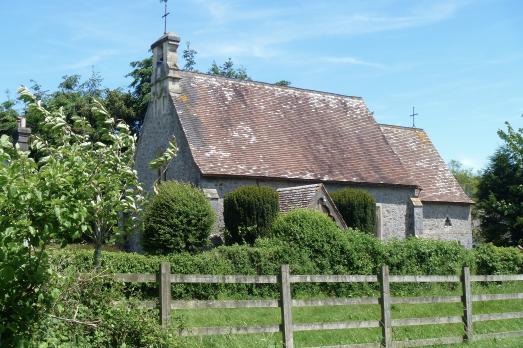
Luton, Devon | TQ13 0BN
Sometimes referred to as the little church with the big heart.
We have supported this church
Ferring, Sussex | BN12 5HN
The ancient, 1170 AD, and beautiful parish church of Ferring is open every day.
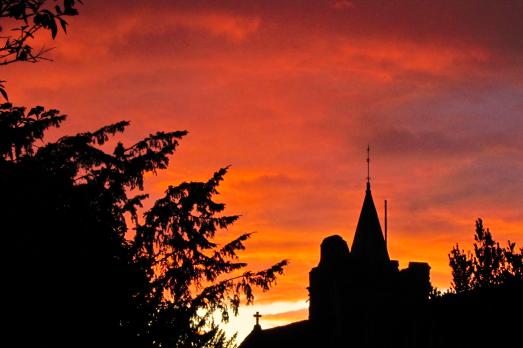
Brighstone, Isle of Wight | PO30 4AQ
Open daily, offering an atmosphere of quiet reflection to all visitors, St Mary's is an ancient place of worship dating back to at least 1190.
We have supported this church
Ticehurst, Sussex | TN5 7AB
Records from the 12th century mention a church at Ticehurst, but the present building is thought to have been built by Sir William de Etchingham after completing nearby Etchingham church in the 1370s.