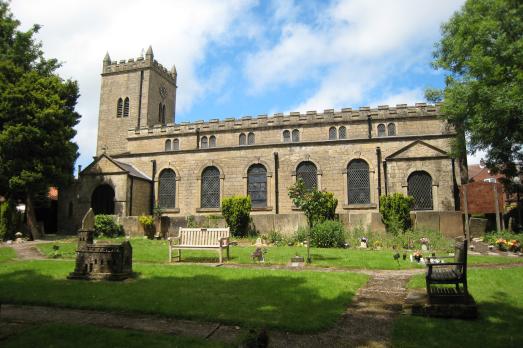
St Mary of the Purification
Blidworth, Nottinghamshire | NG21 0QX
Only the west tower from the medieval 15th century church survives, the rest was built in 1739 by Rhodes of Barlborough and 1839 by Colvin.
Search for a fascinating place to visit, or see the variety of churches, chapels and meeting houses we have supported.
Blidworth, Nottinghamshire | NG21 0QX
Only the west tower from the medieval 15th century church survives, the rest was built in 1739 by Rhodes of Barlborough and 1839 by Colvin.

Gunwen, Cornwall | PL30 5DU
Gunwen Methodist Church was built 1869, it lies two miles north of Luxulyan adjacent to Breney Common Nature Reserve and looks towards Helman Tor and is lovely country for a picnic.
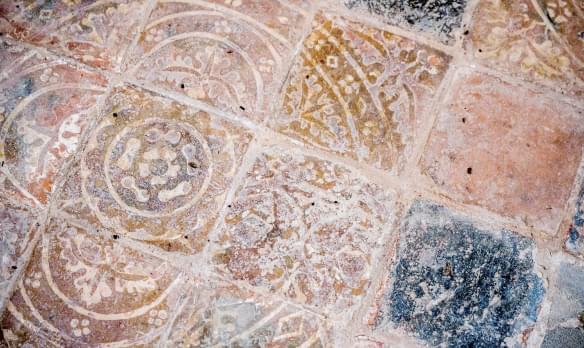
Upwell, Norfolk | PE14 9AA
St Peter's stands beside the Wisbech Canal, a navigable arm of the River Nene.
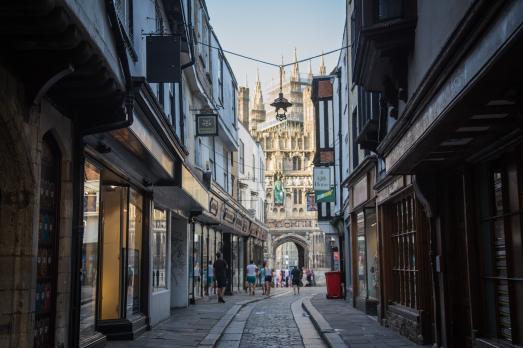
Canterbury, Kent | CT1 2EH
You can't come to Canterbury without visiting the world famous cathedral, site of the shrine of Thomas Becket and the seat of the Archbishop.
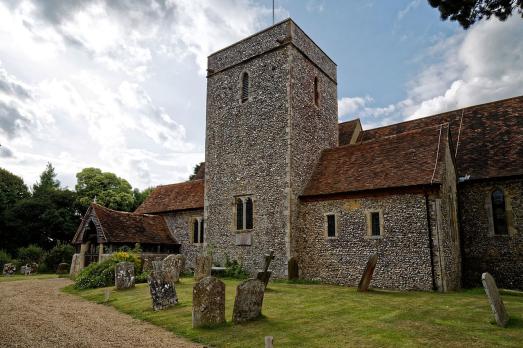
Upper Hardres, Kent | CT4 6EN
A beautiful rural church set in the heart of the beautiful Kent Downs five miles south of Canterbury.
We have supported this church
Edwardstone, Suffolk | CO10 5PH
Beautiful medieval church in open Suffolk countryside, birthplace of John Winthrop, Pilgrim Father and First Governor of Massachusetts.
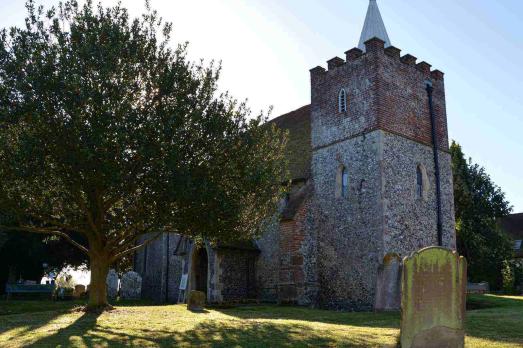
Nackington, Kent | CT4 7AF
A small but beautiful early medieval parish church set in the countryside near Canterbury.
We have supported this church
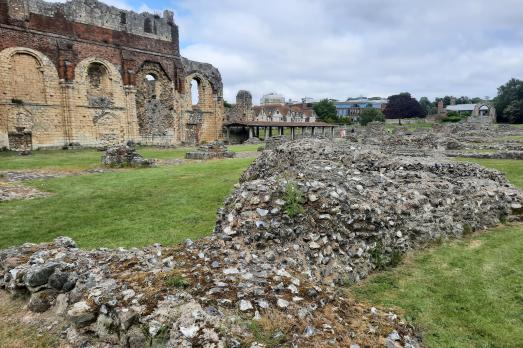
Longport, Kent | CT1 1PF
This great abbey, marking the rebirth of Christianity in southern England, was founded shortly after AD597 by St Augustine.
Greenstead, Essex | CO4 3XH
A historic church at the heart of an urban estate.
We have supported this church
Huthwaite, Nottinghamshire | NG17 2JT
We are sited at the top of the hill in Huthwaite and have a beautiful building that is over 120 years old.
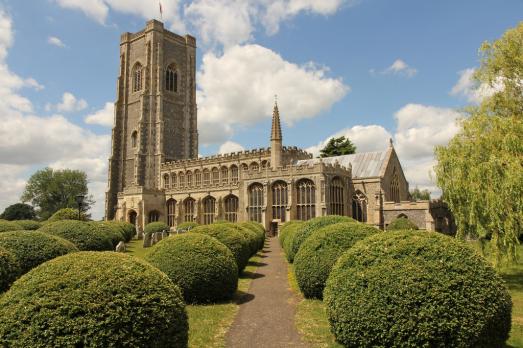
Lavenham, Suffolk | CO10 9SA
A glorious example of a Suffolk medieval 'wool church'.
We have supported this church
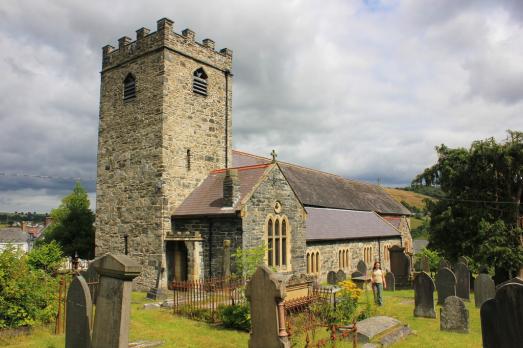
Corwen, Denbighshire | LL21 0DL
People have been worshipping in this wonderfully preserved church for 900 and on a site chosen by the Breton missionaries, Mael and Sulien, who came here in the 6th century as Christian missionaries.