
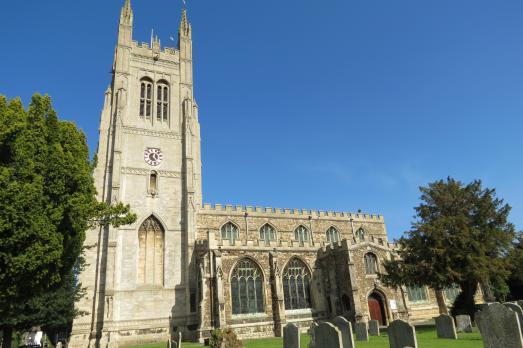
St Mary
St Neots, Cambridgeshire | PE19 2BU
The 9th century monk after whom this town is named lived and died at St Neot in Cornwall, his relics were later brought here, so a second town is named for him.
Search for a fascinating place to visit, or see the variety of churches, chapels and meeting houses we have supported.
St Neots, Cambridgeshire | PE19 2BU
The 9th century monk after whom this town is named lived and died at St Neot in Cornwall, his relics were later brought here, so a second town is named for him.
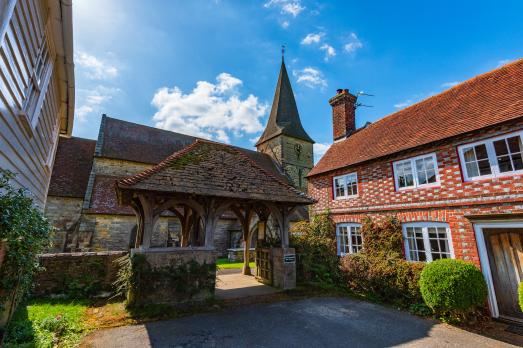
Old Heathfield, Sussex | TN21 9AG
Heathfield son, Revd Robert Hunt, vicar of All Saints church, sailed to America in 1606 and founded Jamestown.
We have supported this church
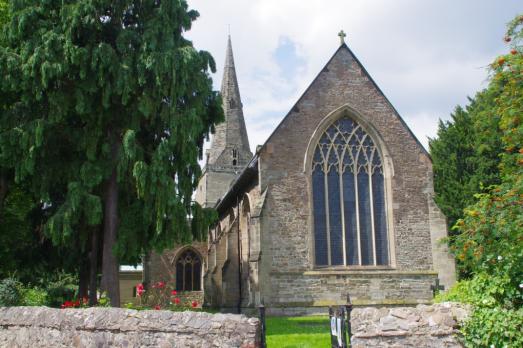
AylestoneAylestone, Leicestershire | LE2 8ND
A beautiful medieval church with many interesting features.
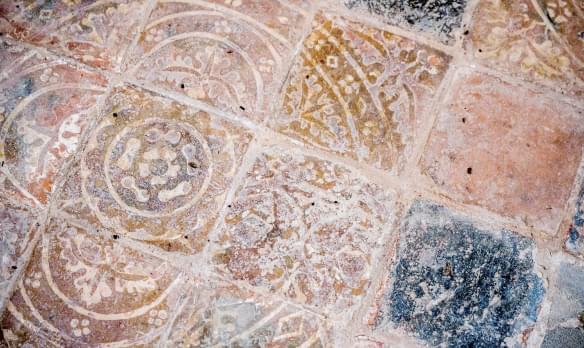
Ashley, Northamptonshire | LE16 8HE
This beautiful 13th century medieval Northamptonshire ironstone and limestone church, with spectacular broach spire, and sumptuous chancel, lavishly decorated with marble, alabaster, semi precious stones and gold leaf.
We have supported this church
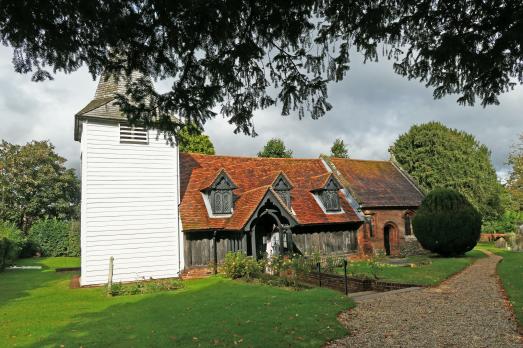
Greensted, Essex | CM5 9LD
Welcome to St Andrews, the oldest wooden church in the world and the oldest 'stave built' timber building in Europe.
We have supported this church
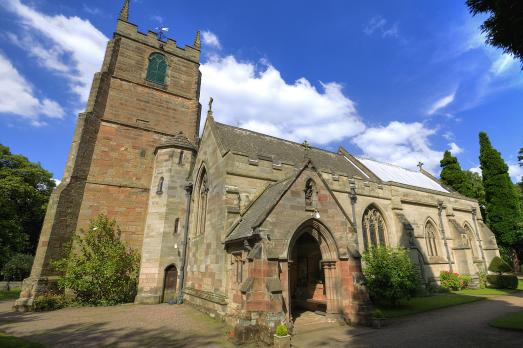
Elford, Staffordshire | B79 9DA
Highly decorated church with heraldry, 15th century alabaster tombs and stained glass.
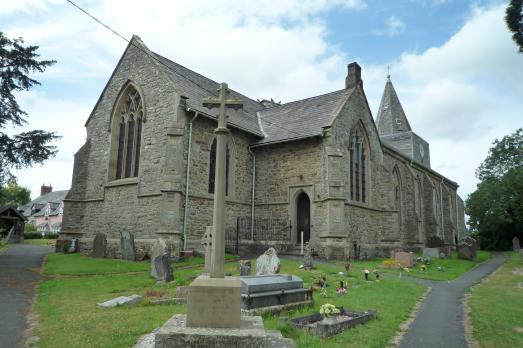
Churchstoke, Powys | SY15 6AF
A beautiful, Gothic revival, Marches church with links to the Industrial Revolution and Civil War.
We have supported this church
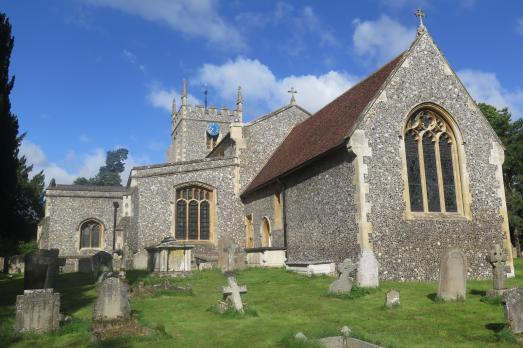
Barkway, Hertfordshire | SG8 8EJ
Well maintained and much loved medieval village church.
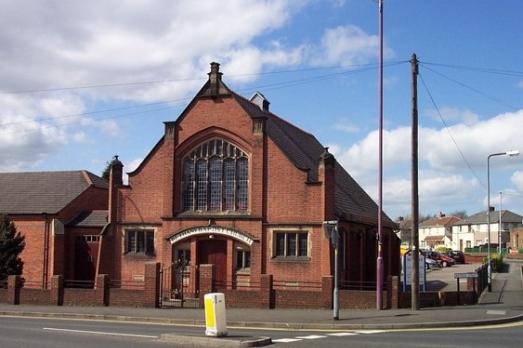
Chadsmoor, Staffordshire | WS11 5DA
A good example of a working class chapel; built by mining families in the 1860s, beautiful in its simplicity.
We have supported this church
East Carlton, Northamptonshire | LE16 8YA
The church was rebuilt in Decorated Gothic style by the architect John Wing the younger for Sir John Palmer Bt in 1788.
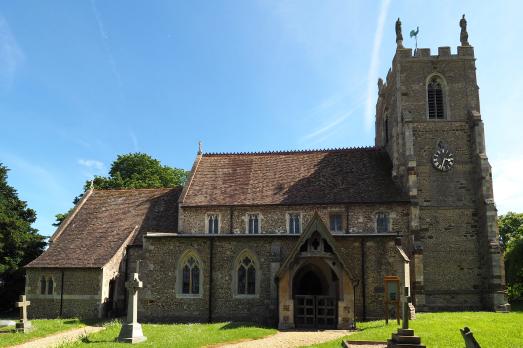
Abbotsley, Cambridgeshire | PE19 6UJ
A tower of kings.
Anstey, Hertfordshire | SG9 0BY
St George's is reached through a 15th century lychgate that incorporates a small lock-up, said to have been made in 1831 to punish drunkards.