
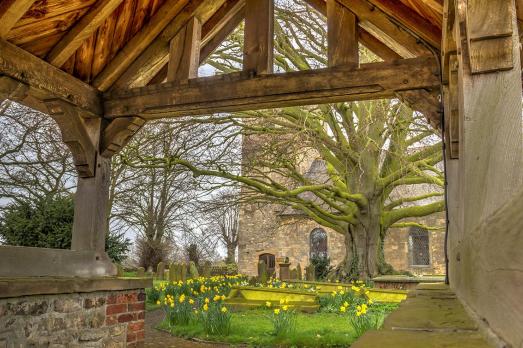
St Peter
Bishop Norton, Lincolnshire | LN8 2BE
St Peter's sits in the heart of the village, it is a delightful church containing some fine treasures.
Search for a fascinating place to visit, or see the variety of churches, chapels and meeting houses we have supported.
Bishop Norton, Lincolnshire | LN8 2BE
St Peter's sits in the heart of the village, it is a delightful church containing some fine treasures.
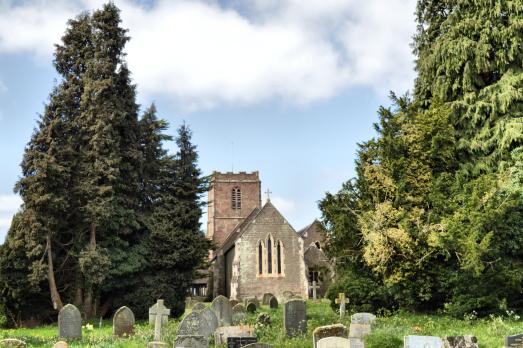
Redmarley D'Abitot, Gloucestershire | GL19 3HS
The medieval tower is a prominent feature in a peaceful, rural area close to the Malvern Hills with fine views to the Cotswold Hills.
We have supported this church
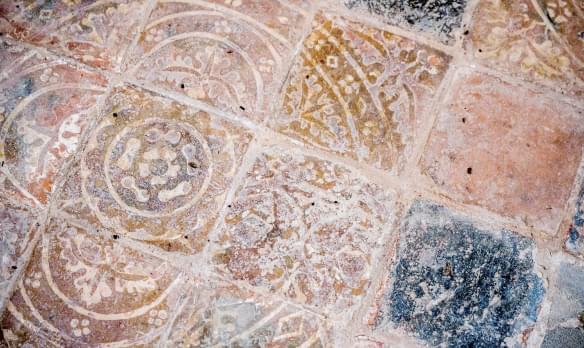
Sand Hutton, Yorkshire | YO41 1LB
St Mary's is a Grade II listed building located in a conservation area, built in 1840 by Salvin at the sole expense of James Walker of Sand Hutton Hall.
We have supported this church
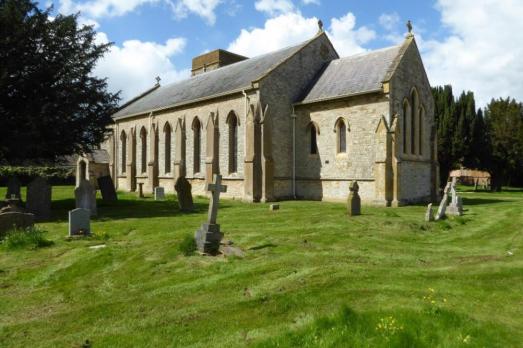
Newbold on Stour, Warwickshire | CV37 8TT
Built 1836 with local stone, interesting stained glass, several war graves.
We have supported this church
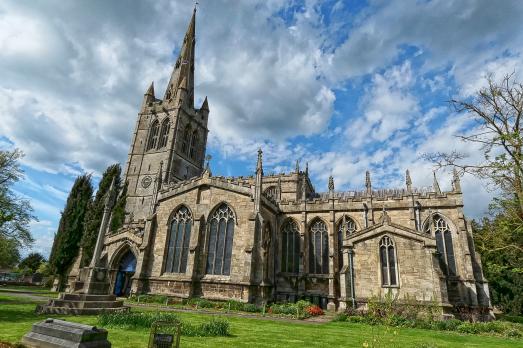
Oakham, Rutland | LE15 6AA
The largest church in England’s smallest county; a late 13th century and early 14th century church in the centre of a rural market town.
We have supported this church
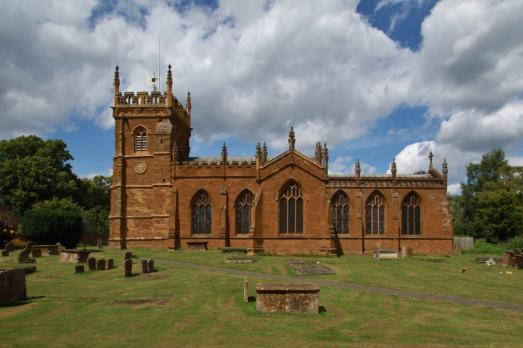
Kineton, Warwickshire | CV35 0HN
St Peter’s church is a large honey coloured stone built church, prominent in the centre of the village with a large west tower and a fine western doorway.
We have supported this church
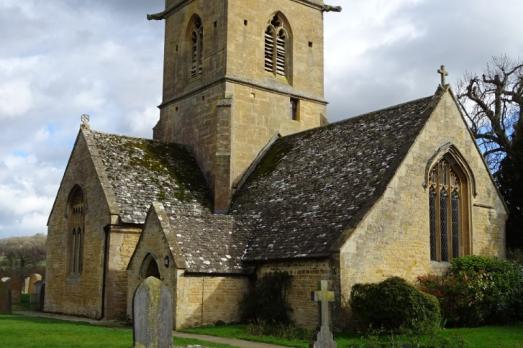
Willersey, Gloucestershire | WR12 7PN
This beautiful, ancient parish church in Cotswold stone is remarkable for being cruciform and serves the idyllic villages of Willersey and Saintbury.
We have supported this church
Nettleham, Lincolnshire | LN2 2PL
The first service for the Wesleyan Methodists in this building was held in November 1899.
Snitterby, Lincolnshire | DN21 4TY
This church consists of a western tower, nave, apsidal chancel, south porch and vestry, the inside walls are of red brick with black brick horizontal bands.
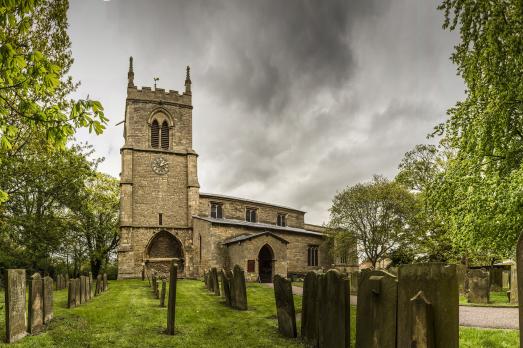
Nettleham, Lincolnshire | LN2 2PD
Dating from Saxon times, the church has many beautiful stained glass windows plus the Hayward east window.

Market Harborough, Leicestershire | LE16 7NB
St Dionysius’ is a special, sacred space nestled at the centre of the Market Harborough community, offering a hospitable welcome to residents and visitors alike.
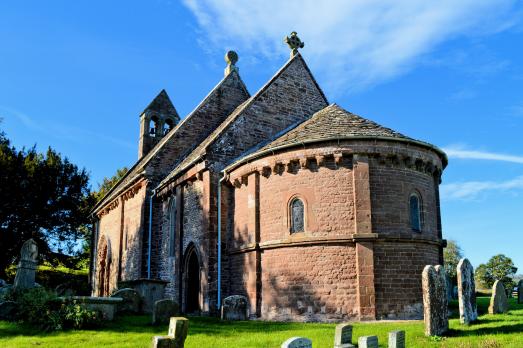
Kilpeck, Herefordshire | HR2 9DN
Kilpeck is a modest village hidden away in west Herefordshire, but its church is world famous for its 12th century sculpture and carving, made by a group of mason/sculptors known as the Herefordshire School.
We have supported this church