St Mary’s at the heart of Selborne and has been a place of Christian worship for well over a thousand years. A church is recorded on the site in the Domesday Book of 1086, although an earlier Saxon foundation almost certainly existed, established following St Birinus’ mission to Wessex in the seventh century. The ancient yew tree in the churchyard, traditionally dated to around AD 590, may even pre-date the first church.
The present building was begun in the late 12th century and retains much of its Norman character, including the nave pillars and a Saxon font that may have survived from the earlier church. Over the centuries the church grew and evolved, with the south aisle enlarged in the thirteenth century, a north transept added around 1305, and numerous alterations reflecting changing styles of worship and the needs of the parish.
St Mary’s has close links with some of England’s most significant historical figures and events. Its living passed to the Augustinian Priory founded in Selborne in the 1230s, and later to Magdalen College, Oxford, following the dissolution of the Priory in 1486. The church contains memorials associated with Sir Adam de Gurdon, the medieval knight whose dramatic life included rebellion, outlawry, and eventual royal favour.
The church is perhaps best known for its connection with the naturalist Gilbert White, whose family worshipped here for generations. White’s grandfather served as vicar, founded Selborne School, and helped maintain the church fabric. Today St Mary’s remains a living parish church where worship, heritage, and community continue to come together within a building shaped by more than eight centuries of history.
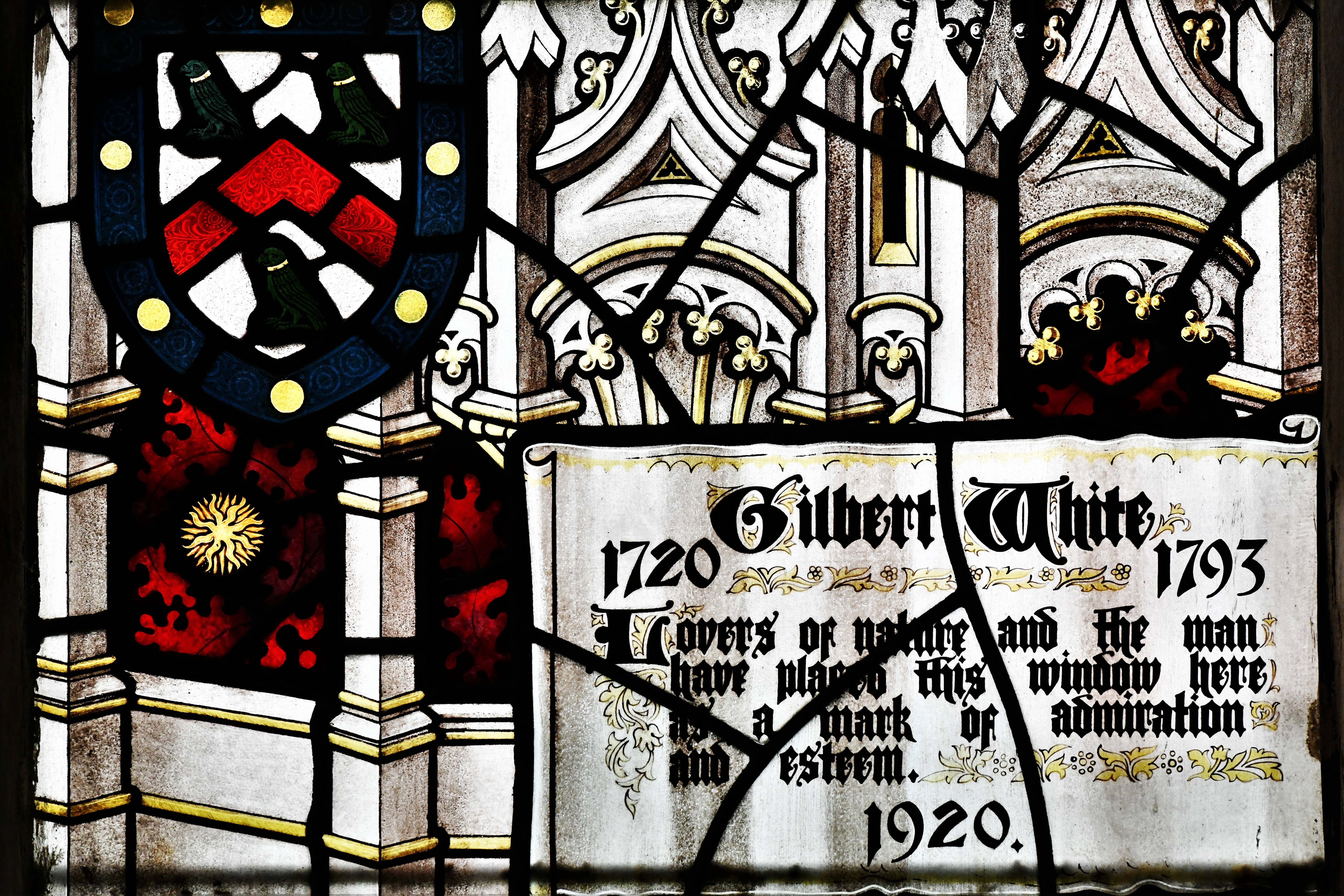
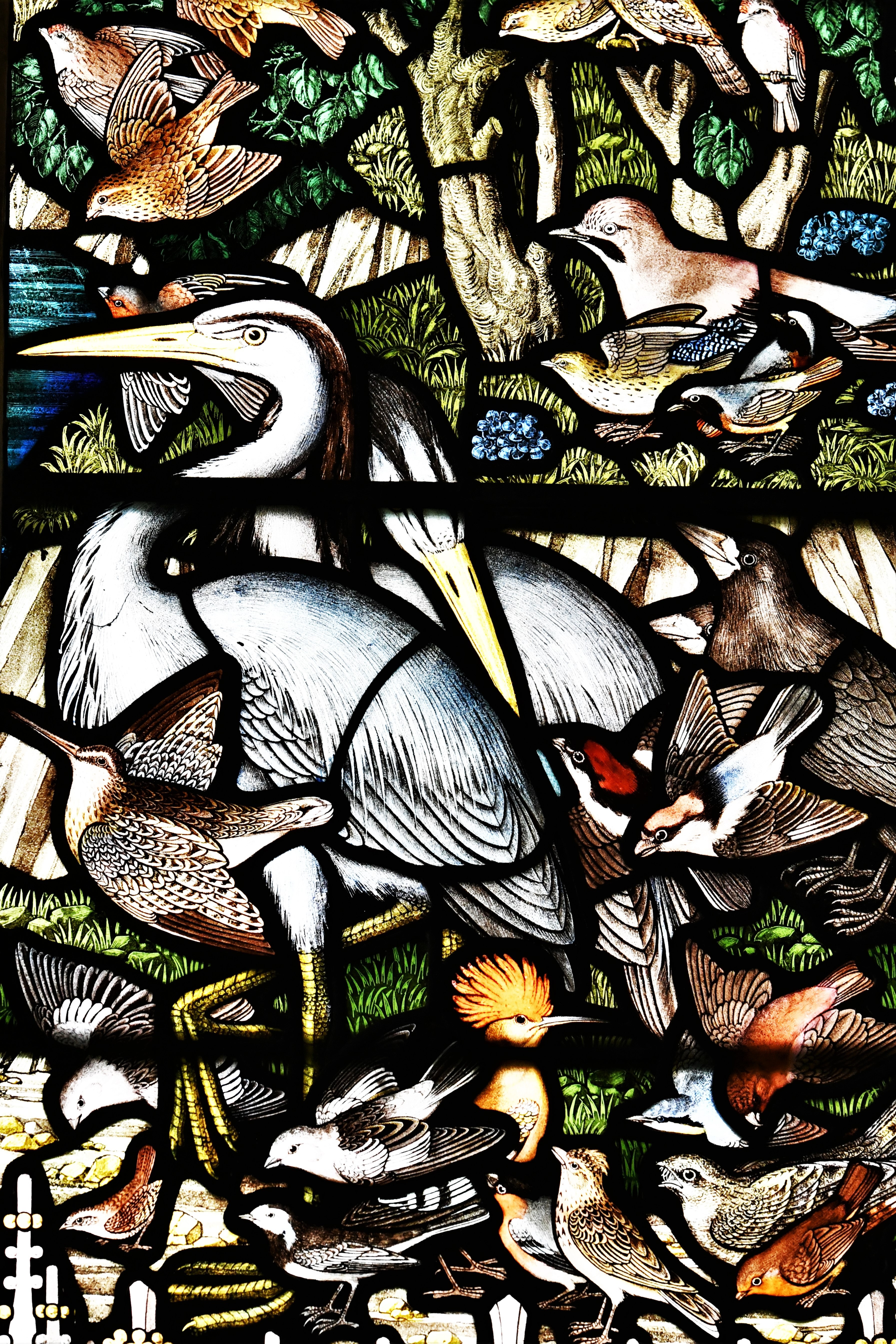
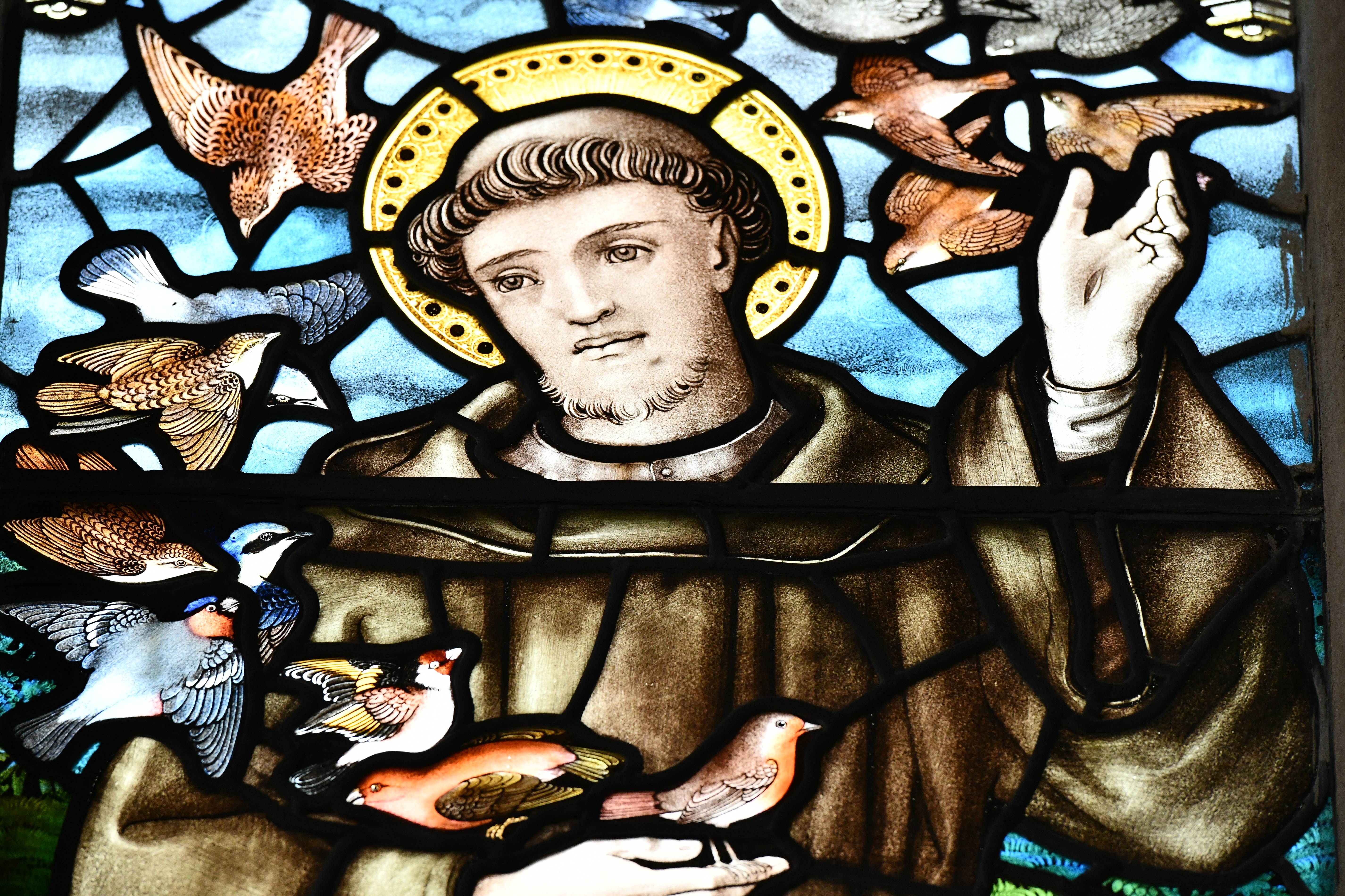
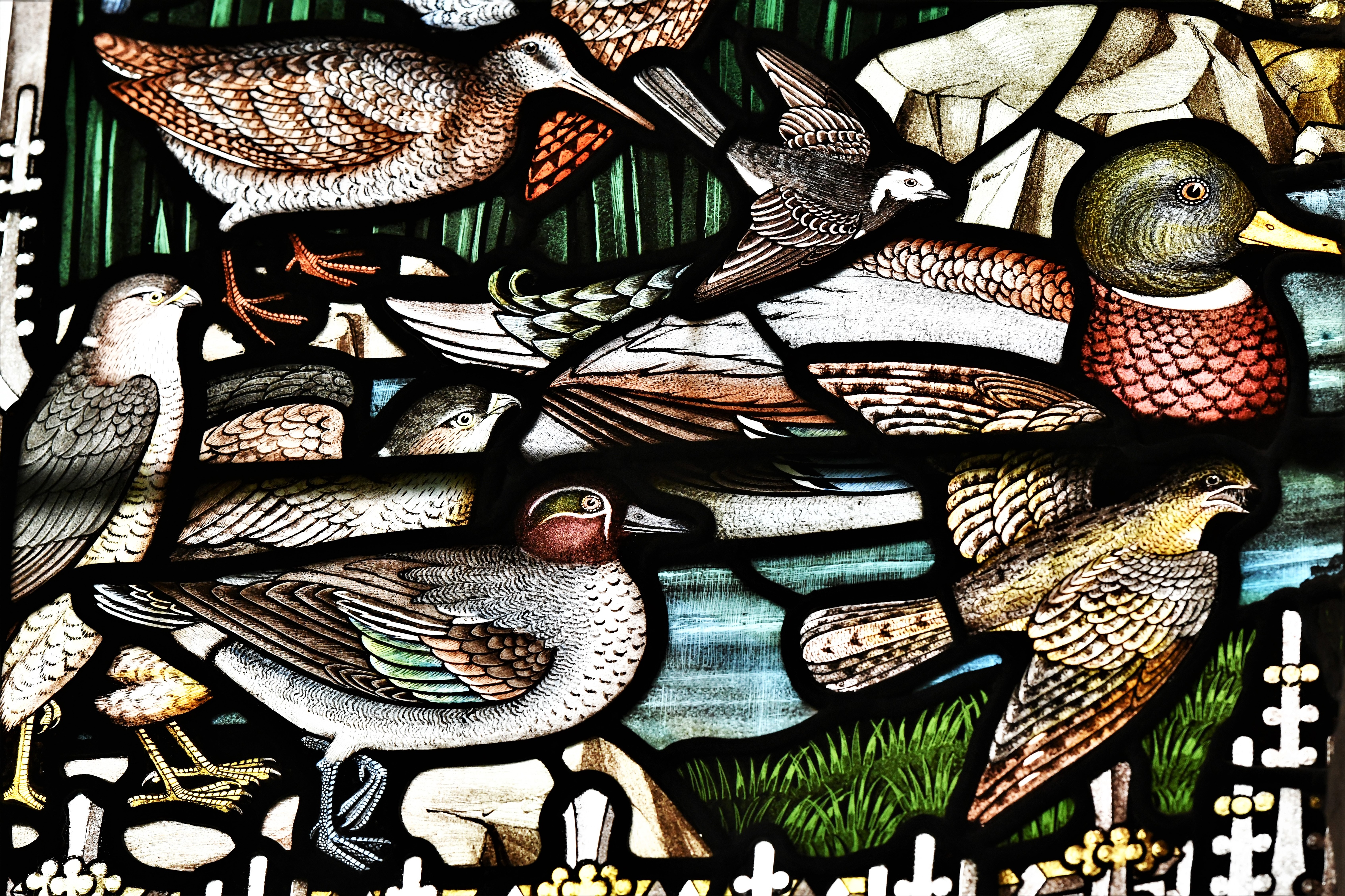
The St Francis Window was installed in 1920 and was presented to St Mary’s by the Gilbert White Fellowship. Designed by Alexander Gascoyne of Nottingham, it celebrates the shared themes of faith, nature, and stewardship that connect St Francis of Assisi with Selborne’s most famous son, the naturalist Gilbert White. The window reflects White’s lifelong observation and appreciation of the natural world and serves as a fitting tribute within the church most closely associated with his family and legacy. It remains one of the church’s most distinctive 20th century additions, linking Christian spirituality with a deep love of creation.