
Maintaining your church building is important. Regular work preserves irreplaceable heritage, encourages care for the building, and can save you serious money by resolving issues early on. We want to bring you the story of a church in Carmarthenshire who went from having no plan of action to winning an award for how they care for their church. So, how did they do it?
Creating a group
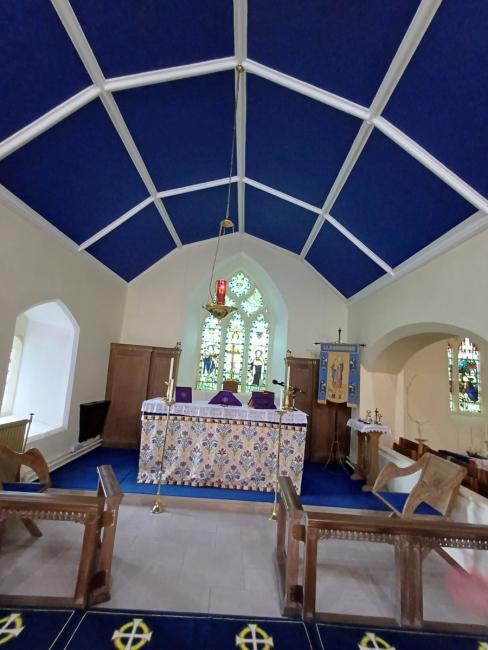
Llangunnor Parish Church, also known as St Cynnwr, is a Grade II Listed medieval church in a small village in Carmarthenshire, with the oldest parts of the building dating back to the 14th century.
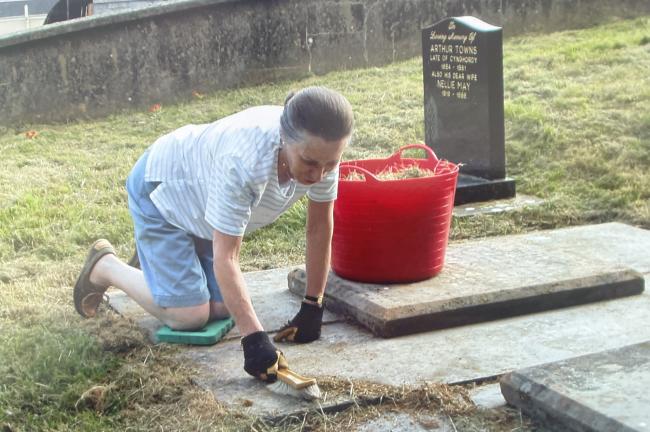
After one vicar retired in 2013, the church was left without a full-time priest for several months. While visiting vicars came to give services, it meant that there was a gap in managing other elements of church life, such as stewarding the building. Because of this, the churchyard became overgrown with weeds and brambles.
Recognising the need for a change, the church wardens stepped up to create a plan. They put a call out for volunteers to help tackle the overgrowing churchyard. To their surprise, 15 people turned up for the first session one Wednesday evening.
“It frankly amazed me. But after two or three weeks we had cleared the whole churchyard. And from there it turned into a full maintenance group,” explains Cyril Phillips, one of the church wardens and Chair of the Parochial Church Council (PCC).
“It’s a wonderful group of people. It grew into a dedicated team of people with tremendous friendships. They look after the church with a can-do attitude and relish a challenge, too.”
“As part of the maintenance sessions, we have tea and biscuits. There’s a real social atmosphere, and I think that has kept the group going.”
These volunteers play a vital role in keeping the church in good condition. Recognising the people, their personalities and skills, and fostering a sense of camaraderie among them has been a really important part of keeping this group going for more than a decade.
Finding and using the strengths in your team
With a strong team in place, Llangunnor Church has been able to benefit from the strength of relationships in practical ways, too.
“We have all sorts of people with different backgrounds. We’ve got teachers, a gardener, the organist is involved, we’ve got a social organiser, a structural surveyor and an architect. So, there are a really good blend of skills between all of these people,” says Cyril.
“Some of them have very relevant knowledge for different tasks. So, the others will contribute, but we’ll then leave it with the individual and let them drive it forwards. If they feel they need further expertise, then they’ll know where to go for that.”
This knowledge and experience within the team means that people can take on work in familiar areas. As well as reducing the need for paid advice, they know what they need when seeking consultation from an expert. Both of these help to reduce the maintenance costs for the church.
What’s more, other members of the maintenance team are constantly learning more by carrying out inspections and hearing about issues that need tackling.
You never know what skills and expertise someone in your congregation or community might have and want to share, so it is good to make sure you make it as easy as possible for people to find out about the team and how they can join. You could add in into any church notices that go out, add it to your church website and post about it on your church’s social media pages or on local Facebook groups. You could also invite people in person too.
Cyril found this out when a new member of the congregation joined the team...

Why working to a plan is important
A key to success is working to a maintenance plan. Having one in place is a standard condition of grants for many funders, including the National Churches Trust. They are simple to follow and can tell you what checks need doing and when to do them.
“In the early days, we didn’t have systems for maintaining the church. But that changed. when Phil joined the congregation. The first thing he did was formalise everything into a document. It started with a brief description of the church, its heritage, and the architect, but also included information about the maintenance task list, managing the churchyard, and producing a maintenance plan,” Cyril shares.
“It made a big difference in helping us to prioritise the important things without neglecting regular tasks. Phil produced the maintenance plan for tasks, to make sure that there was a monthly inspection report, weekly cleaning, monthly deep cleaning.”
“He introduced these systems and policies for dealing with these things. For example, creating a formal system for reporting faults. It’s really helped with keeping an eye on things over the longer term.”
A maintenance plan is a brilliant tool that can help keep you on track. But it doesn’t have to be complicated. We even have a maintenance plan template to help get you started.
Maintenance includes inspections as well as tasks
Inspections are a big part of maintenance and will help you catch problems early on. It can sometimes be overlooked compared to tasks that have a more visible impact, like mowing the lawn. But it is a crucial part of caring for your building that will help you to plan ahead with budgeting and resourcing work as needed.
“Routine inspections pick things up much quicker than if we did it from time to time. Over time, you learn to look for things and also build up a greater knowledge of the building, which really helps,” explains Cyril
“Things like the electrics and heating are now checked regularly.”
These routine inspections play a big role in developing plans for the future, as it allows your team to understand what issues may be around the corner, or areas to keep an eye on.
Llangunnor Church have gone one step further by also developing a formal system for reporting faults that are found during inspections. A system like this might sound like an advanced step, but there are significant benefits to it. For example, categorising issues and keeping proper records will make the picture clearer if problems are found, and may help experts to better understand what’s going on.

Why having a maintenance budget will help you
While good maintenance can save your church significant costs in the long run, you’ll still need funds to keep things in good order, whether it’s to fund smaller repair jobs or to buy equipment for regular tasks.
“With my background as an accountant, I got involved very much on the money side,” shares Cyril.
“I thought it would be good to set aside money from our general reserve into a specific pot for this kind of work. We have managed to build that up, but over our five-year plan the costs do amount to quite a lot.”
“But it’s really important to stress that if you don’t do it, the problem will get worse further down the track.”
“If there was a major project coming up, we’d be applying for grants and fundraising locally. But [by] having this pot... we don’t face the stress of worrying about funding more regular work.”
By setting aside funds specifically for maintenance, you won’t find yourself scrambling around to pay for routine care, saving you from stressful fundraising or grant applications. It’s all part of being prepared and organised when tackling maintenance in your church.
Llangunnor Parish Church have shown how a dedicated team of volunteers can achieve great things by working together. Accounting for all maintenance needs – including inspections and small repairs – as well as considering the financial costs, and being organised and resourceful, have helped them to develop a programme of maintenance that runs like clockwork. It was the reason why they won the Nayler Award for Excellence in Maintenance at the 2023 National church Awards. Their beautiful building is being cared for and strong friendships are being formed – find out how you can do the same with our advice below.
For churches: top tips for your place of worship
- Create a maintenance plan. If you don’t already have one, this is an important tool and something that many funders will expect to see. If you’re not sure where to start, use our maintenance plan template to organise your tasks.
- Your volunteers are crucial. They will perform tasks week to week and use their skills to help with projects. Creating a great atmosphere will go a long way in keeping volunteers engaged, while their experience could help to save costs in certain areas. Make sure to promote the group, so that new people can join and take the time to say thank you to those who are helping, so that they feel valued.
- Regular inspections are an important part of the work; keep an eye on your building. Inspections will help you identify any issues early on, enabling timely repairs or upkeep. Over time, you’ll increase your knowledge of the building and learn to spot things.
- Don’t forget the finances. Good maintenance will save you money in the long run, but there will be costs from time to time. Plan ahead by setting aside a specific pot of funds, so that you feel prepared when minor repairs or new equipment are needed.