
St Cedol
Pentir, Gwynedd
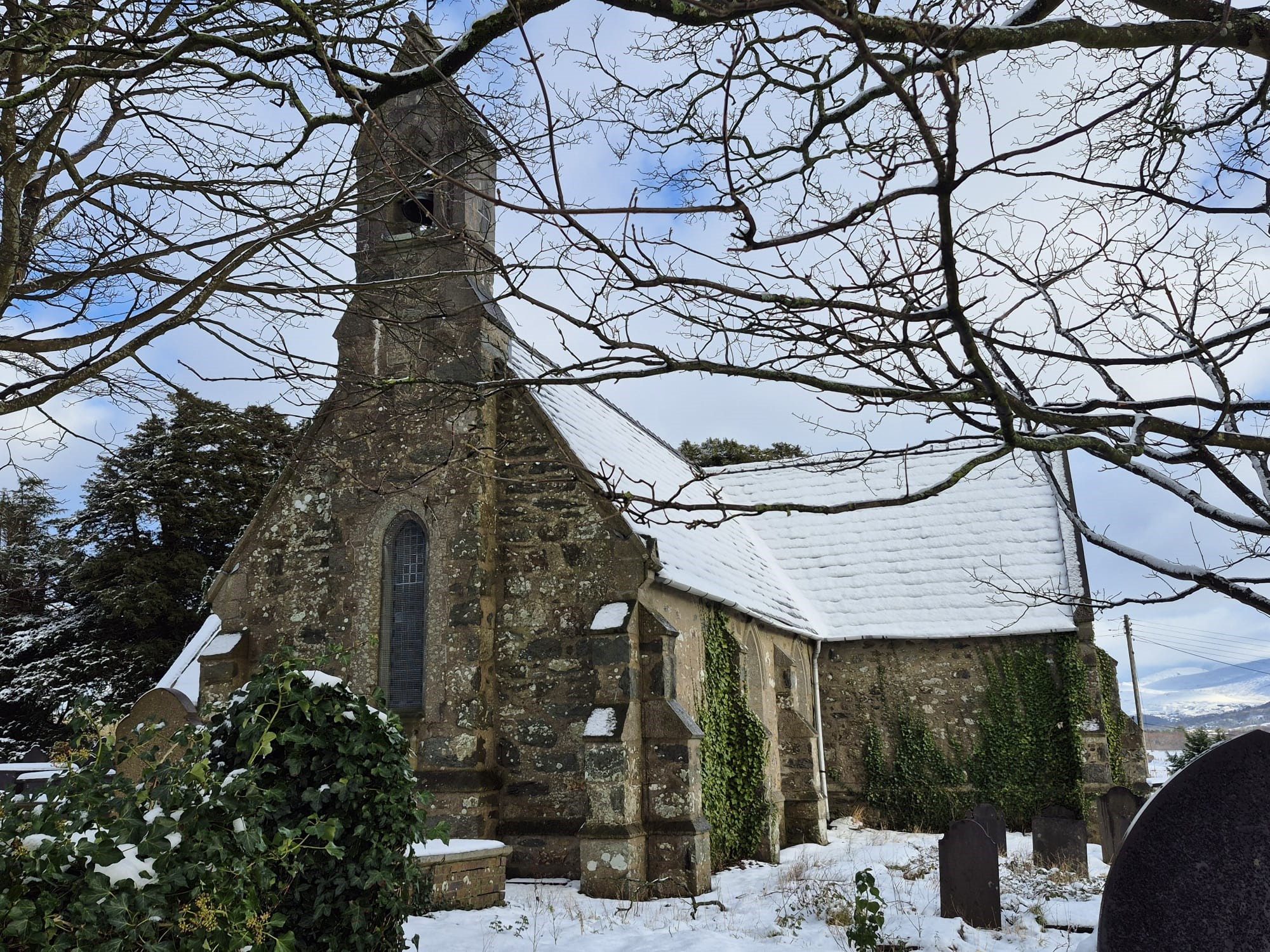
A delightful and largely unaltered 19th century village church, built within the graveyard of the original 13th century church.

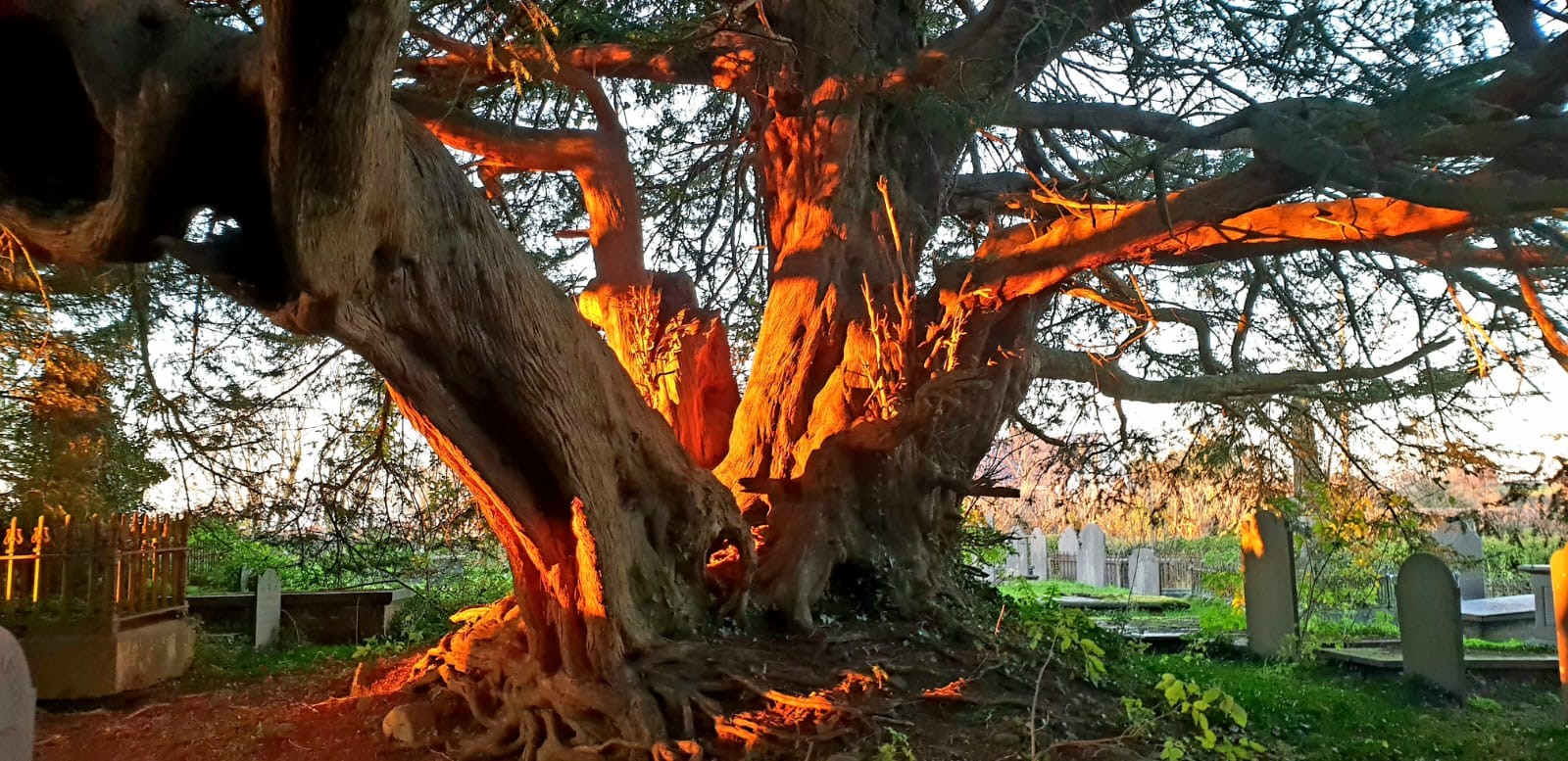
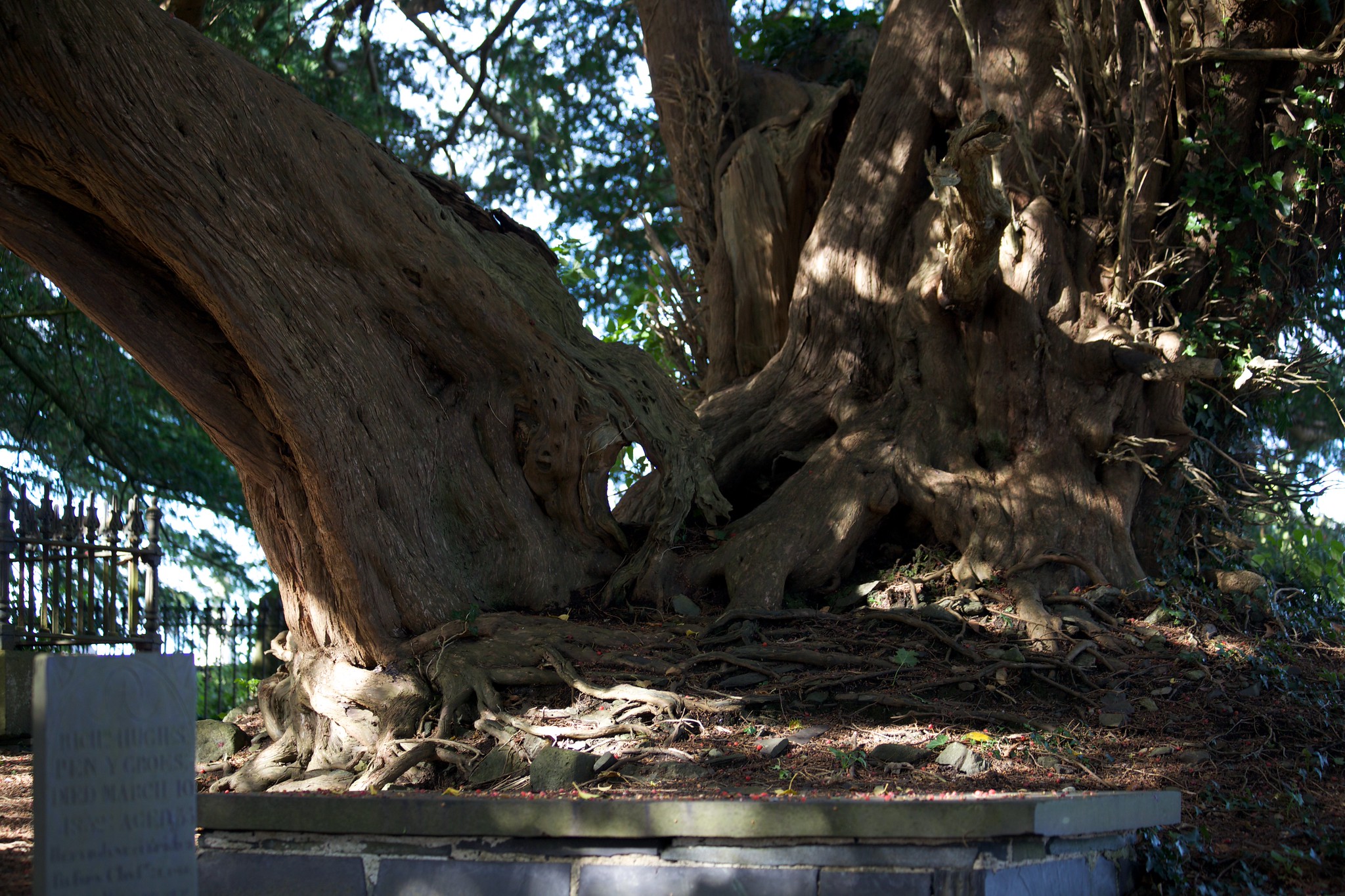
St Deiniol, reconstructed in 1843, stands beneath impressive yew trees, officially documented as being 2,000 years old.
Llanddeiniolen, Gwynedd
The church is dedicated to St Deiniol, one of Gwynedd’s most influential early saints, and its connection to his lineage gives the site a deep sense of heritage. In 1968, the church was recognised for its importance and listed as a Grade II building. St Deiniol was entirely rebuilt in 1843, close to the site of the old church, by J G Weightman and E M Hadfield of Sheffield.
The stone font is dated 1665. The chancel features a four light stained glass window displaying litany text. The tracery above spreads like a fan, filling the space with Christian symbolism. The south nave wall contains two additional memorial stained glass windows.
On the north nave wall you will see a copy of the painting of ‘St Veronica’s Handkerchief’ by the Austrian / Czech painter, Gabriel Cornelius Ritter von Maxx (1840-1915), painted in 1874. It is known that Maxx used 14 colours to get the optical illusion of Christ’s eyes opening and closing, depending on the lighting or angle you are looking at Him – see if you can observe this wonder!
Also, a list of Parish rectors and curates from 1357 to 1991 can be seen. The bell is dated from the 1930s.
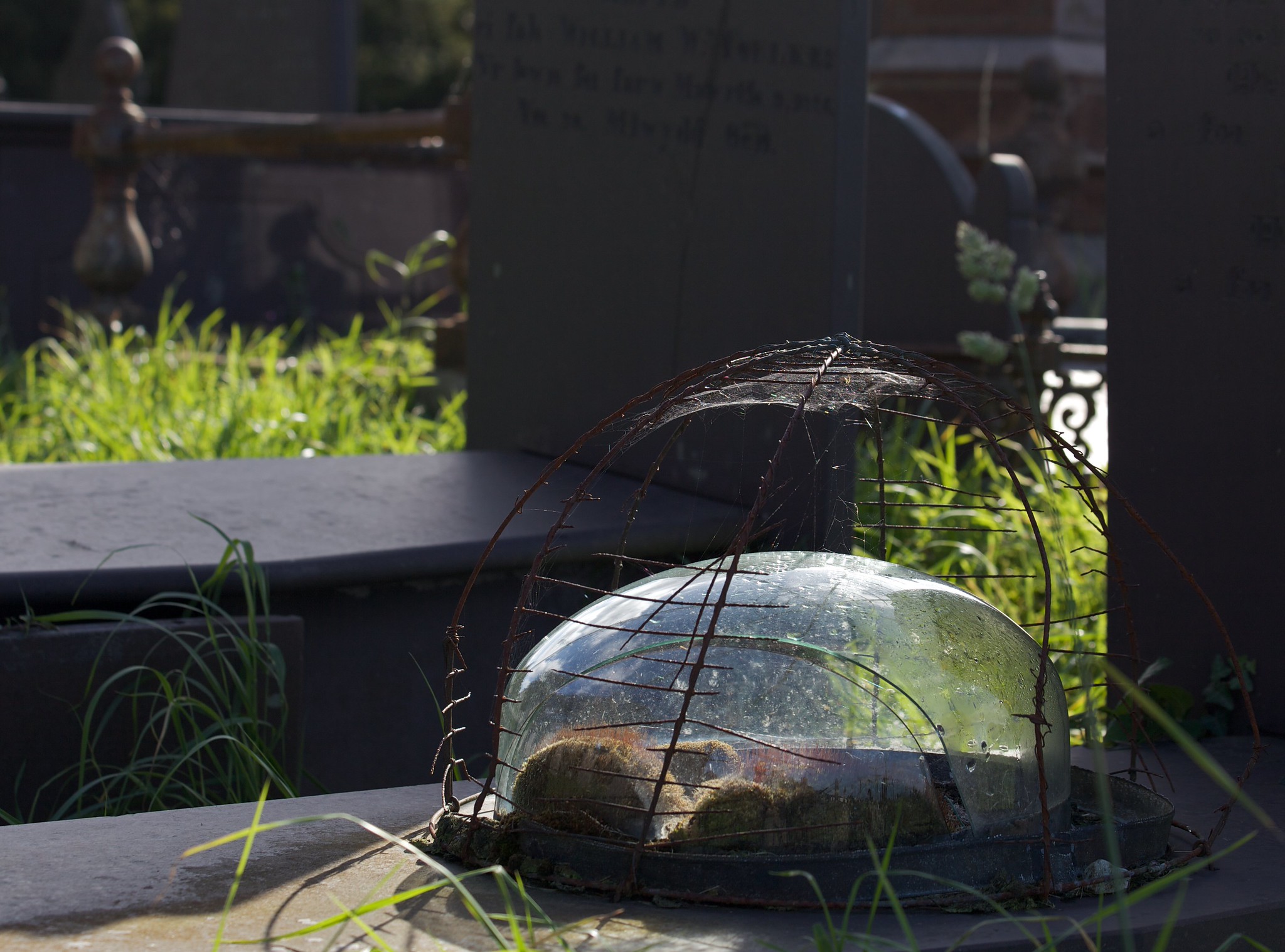
The churchyard is expansive and features four ancient yew trees, with two confirmed to be approximately 2,000 years old. The esteemed poet W J Gruffydd (1881-1954) of Bethel, author of the poem ‘Ywen Llanddeiniolen’ (The Yew of Llanddeiniolen), is interred in close proximity to these trees. Assistance in locating your ancestral graves is offered by appointment (please email bjdinas@gmail.com).
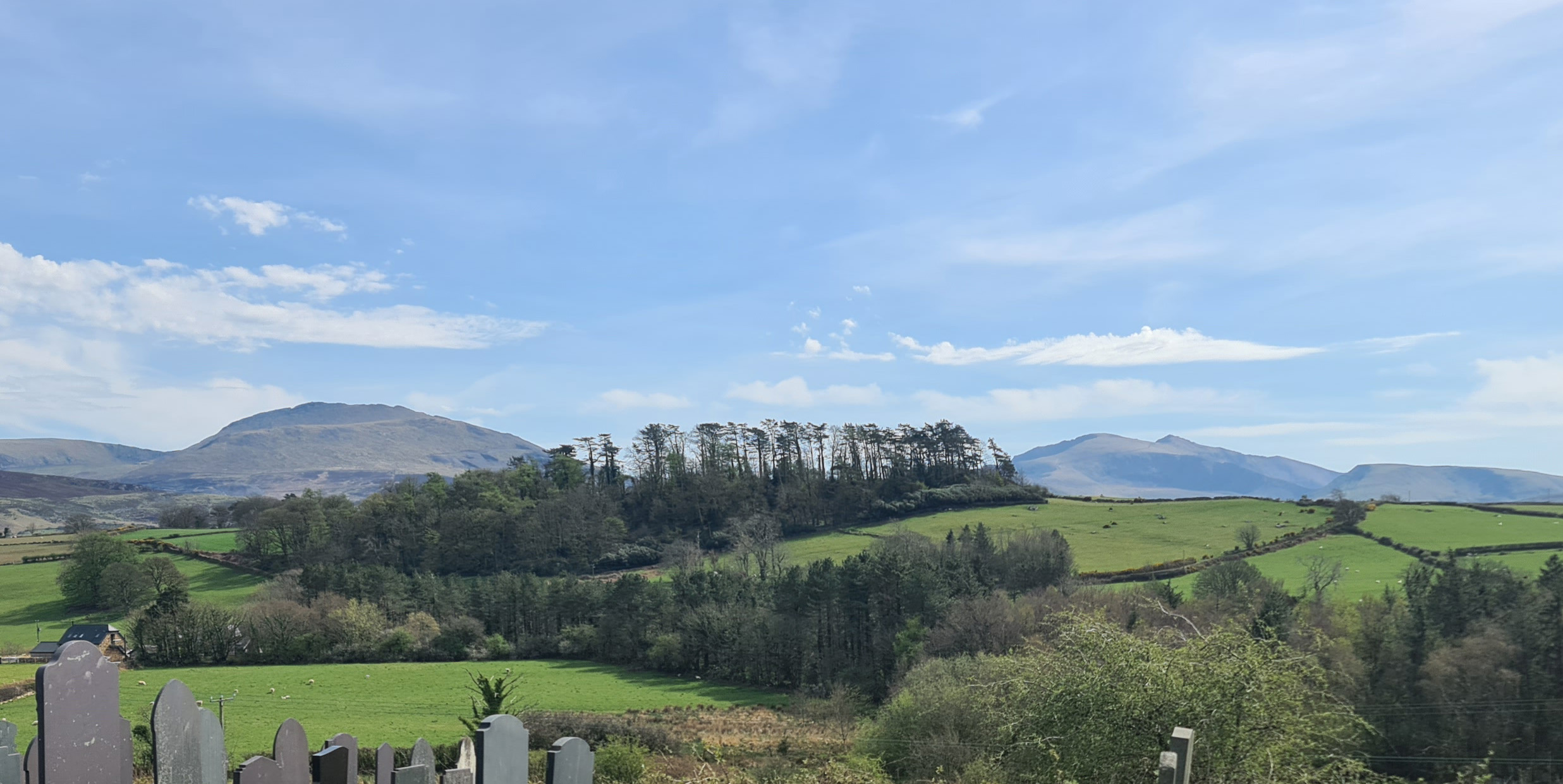
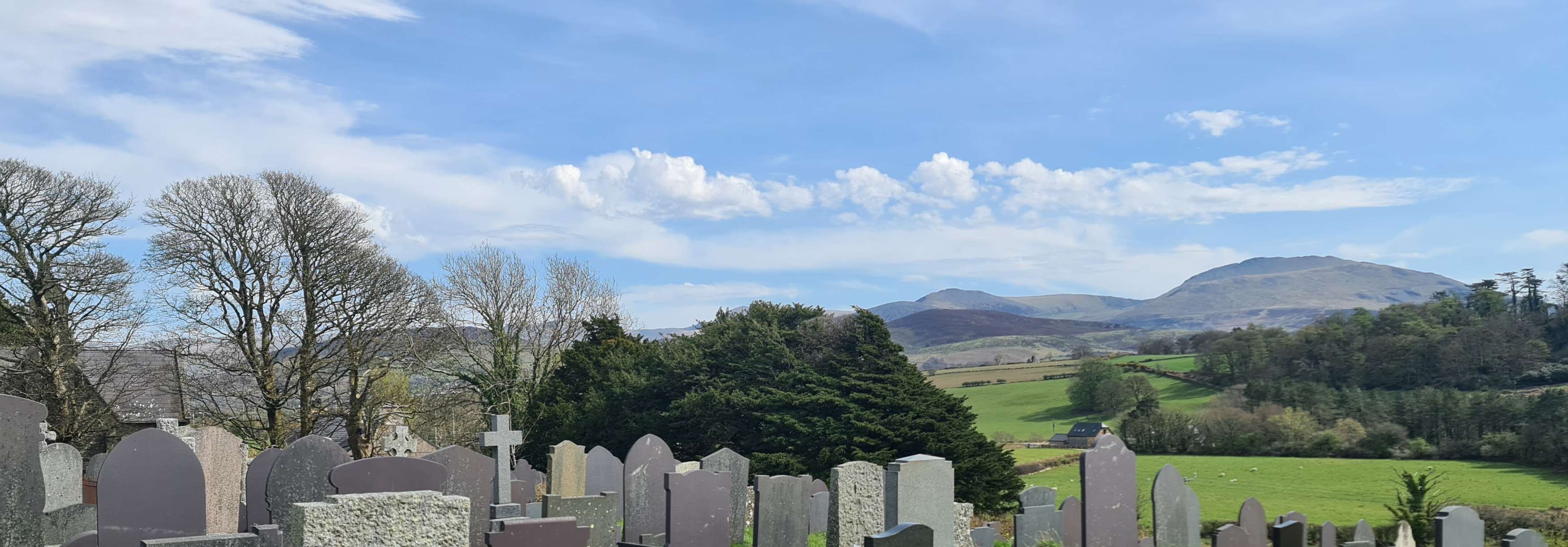
From the far end of the churchyard, one can observe an impressive panorama encompassing the Eryri mountains, the Iron Age hill fort Dinas Dinorwig, Yr Eifl, Caernarfon Bay, and extending to Ynys Môn and Holyhead Mountain. It’s a sight well worth seeing.
St Deiniol’s Well is situated at the base of the slope below the church. Its precise location remains undetermined.
Pentir, Gwynedd
A delightful and largely unaltered 19th century village church, built within the graveyard of the original 13th century church.
Llandinorwig, Gwynedd
Situated on the road that leads to Dinorwig, with stunning views of the surrounding hills and mountains.
Llanfairpwllgwyngyll, Anglesey
St Mary’s church by the white hazel pool, near the fierce whirlpool with the church of Saint Tysilio by the red cave.