St Cuthbert
Norham, Northumberland
Lying within a few yards of the famous River Tweed, a very substantial church, rich in history and an architectural gem.

A small country kirk with a long history in rural Scottish Borders country.
Swinton, Scottish Borders
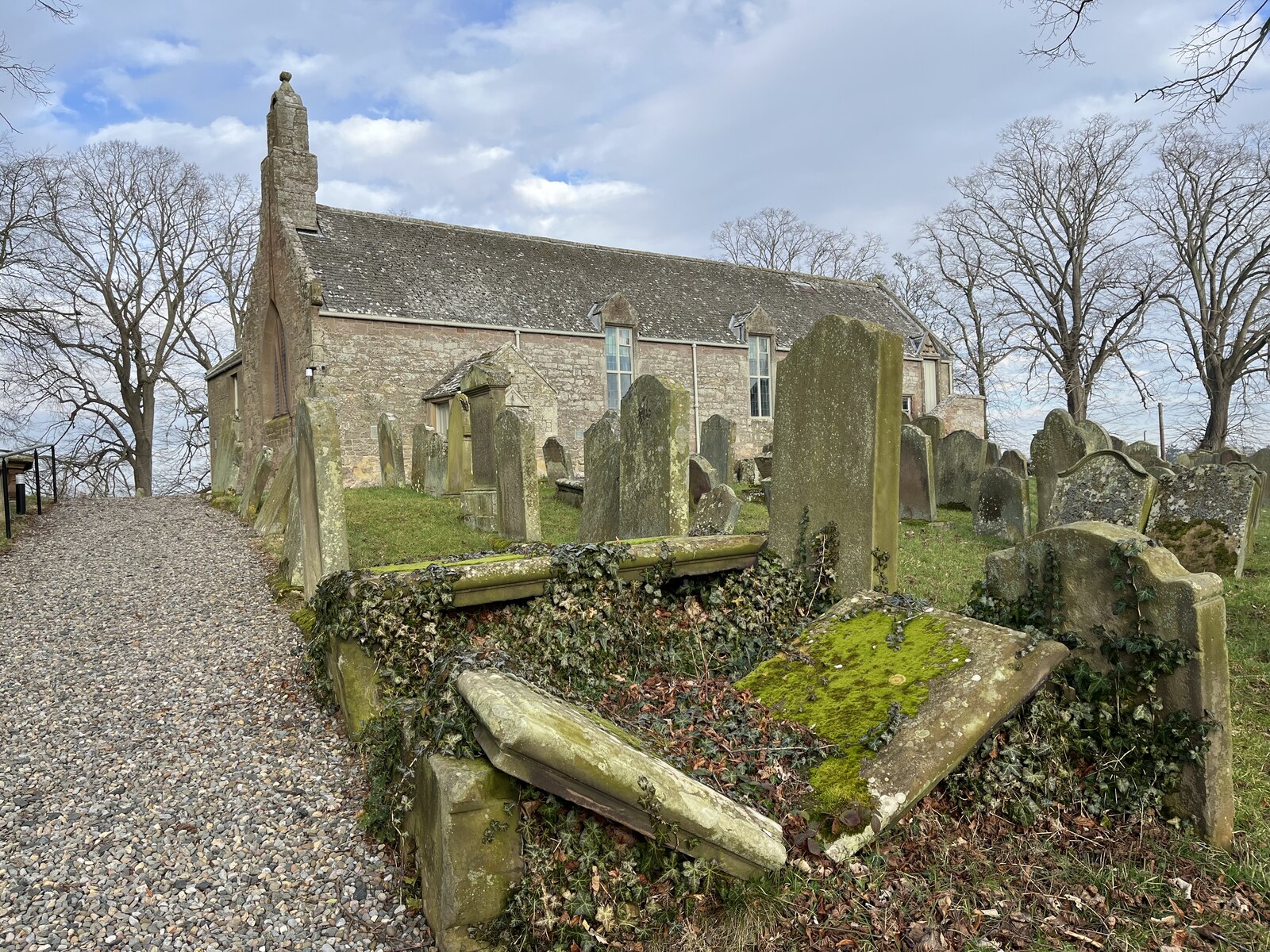
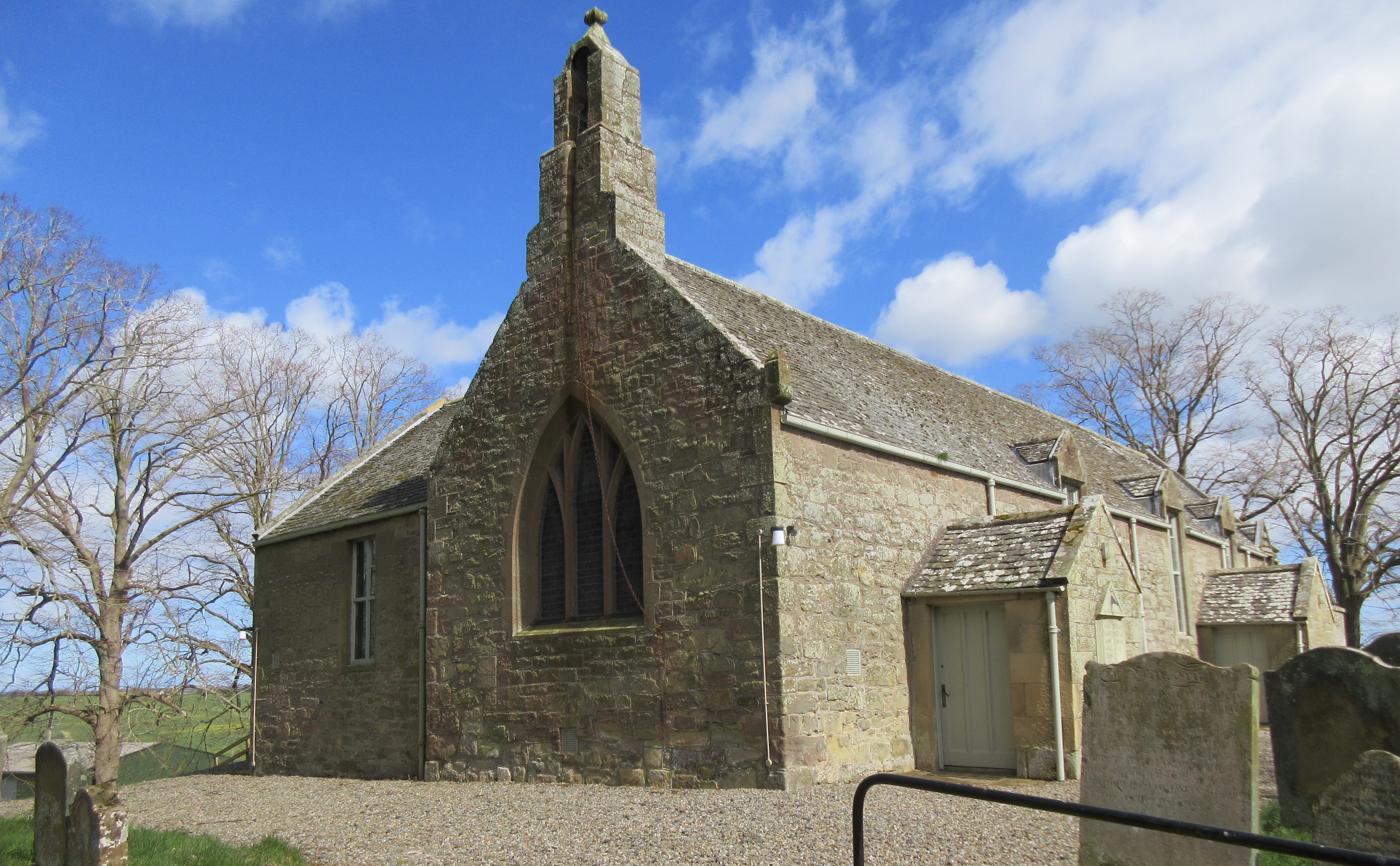
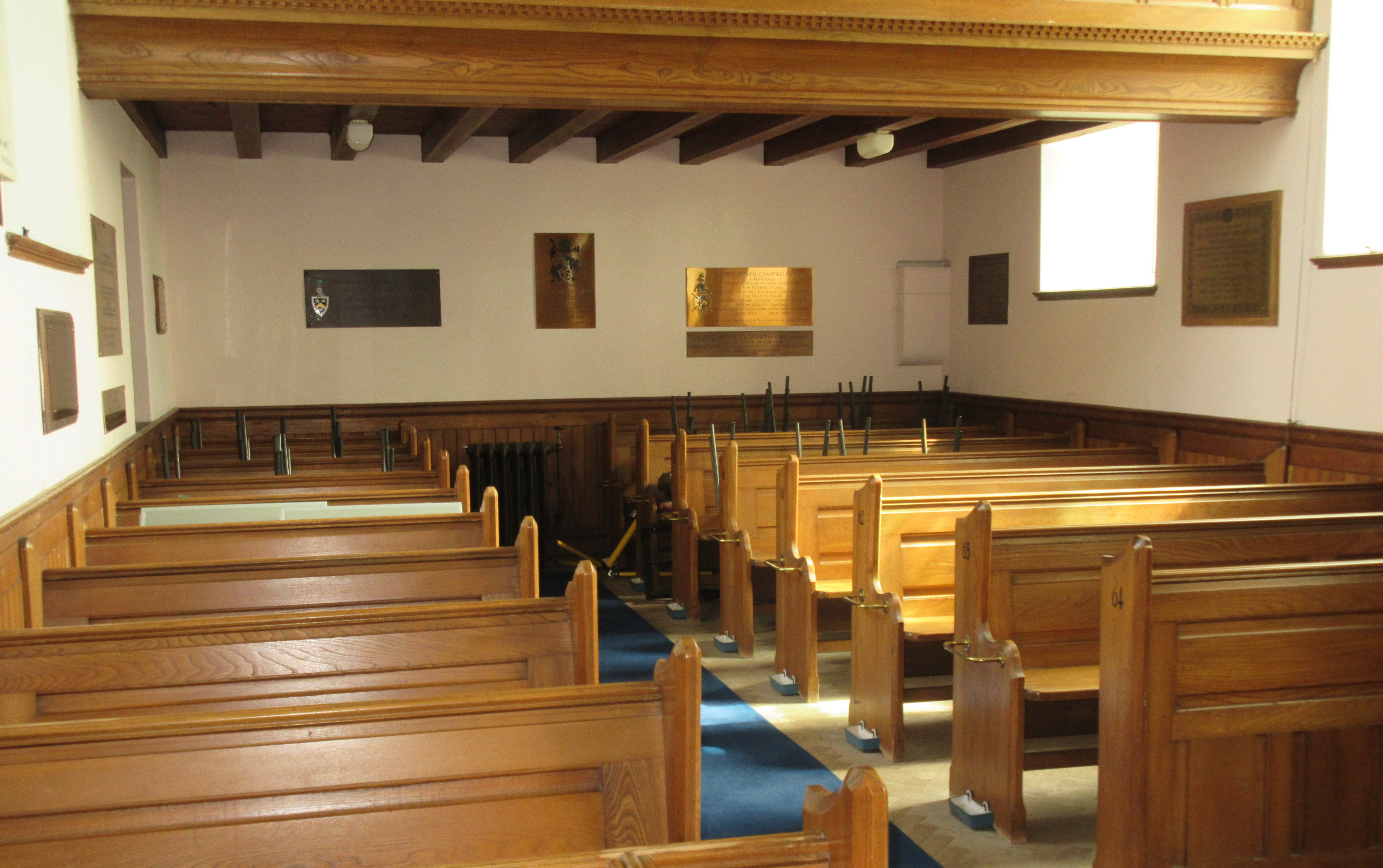
Swinton Kirk has a history stretching back more than 1,300 years. Parts of the south and east walls are over 1,000 years old, and an Aumbry survives from the kirk’s pre-Reformation past. The building was extended over the centuries to create its present form. Its 1910 renovation was designed by celebrated architect Robert Lorimer, who introduced the distinctive banked pews. The kirk is Grade B Listed.
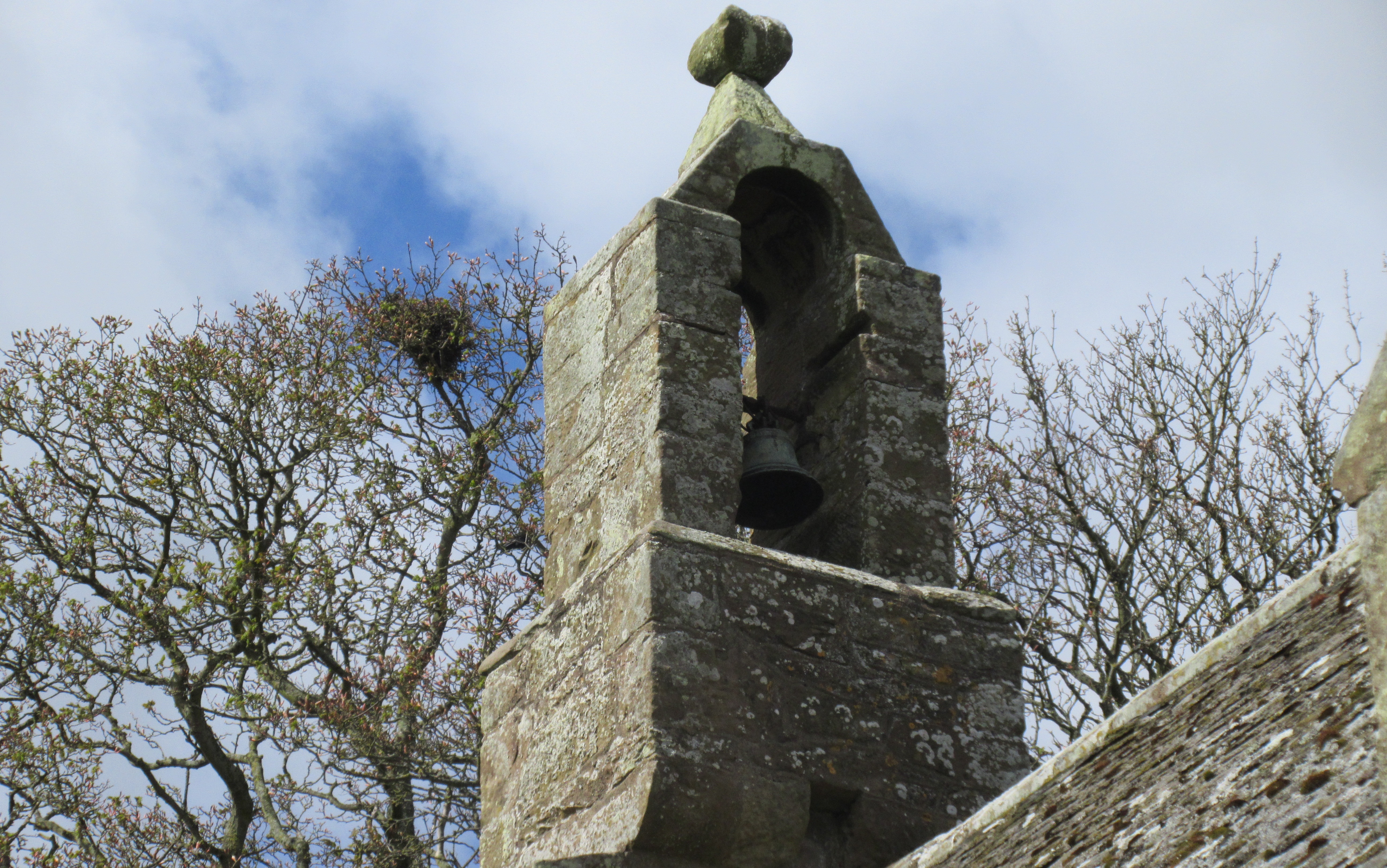
Look out for the Flodden Bell, cast in 1499 and named Mary. It is believed to be one of Scotland’s oldest bells and possibly the oldest still in regular use. Tradition says it was rung in 1513 to announce the death of King James IV and many Scottish soldiers at Flodden. It still rings before services today.
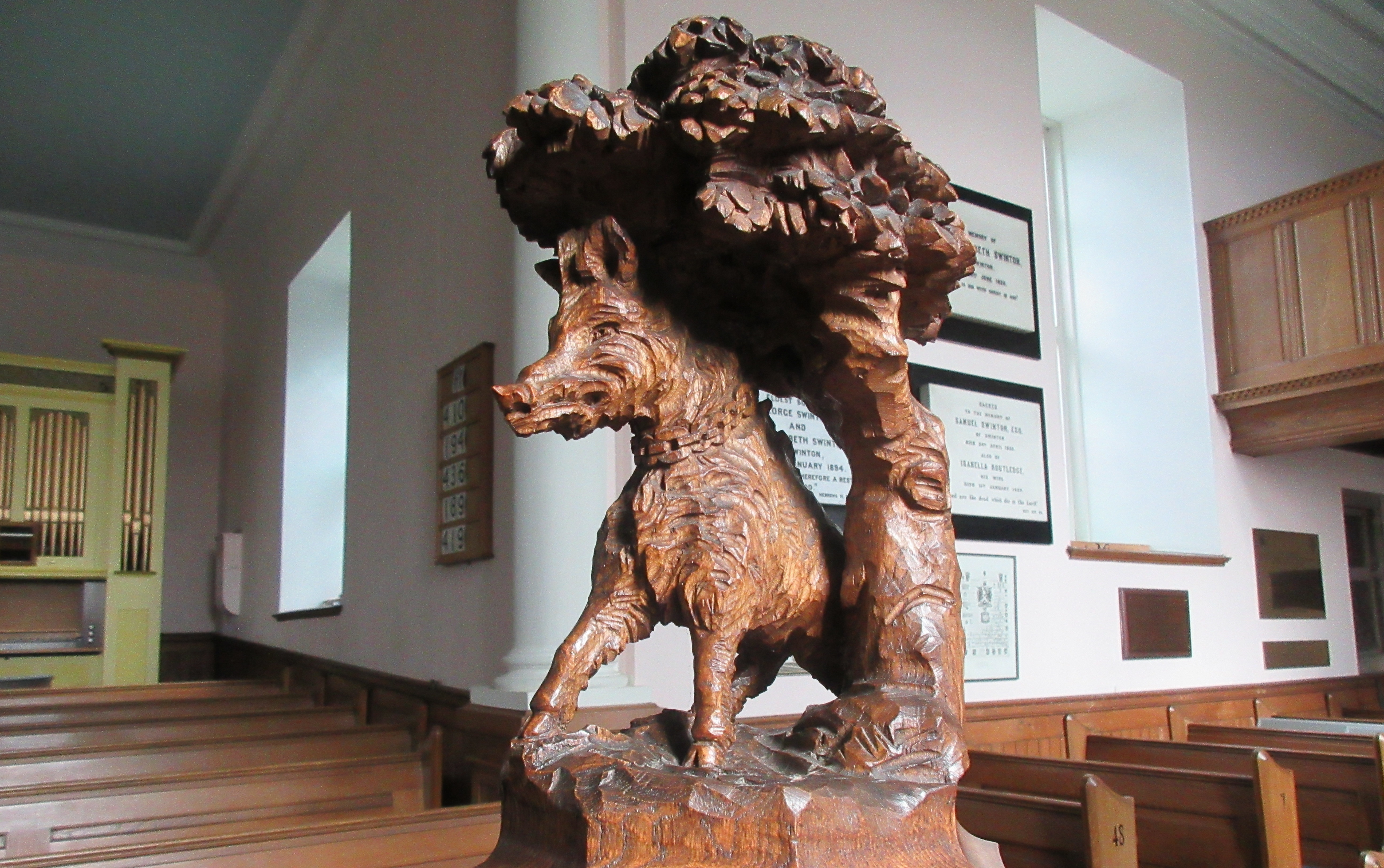
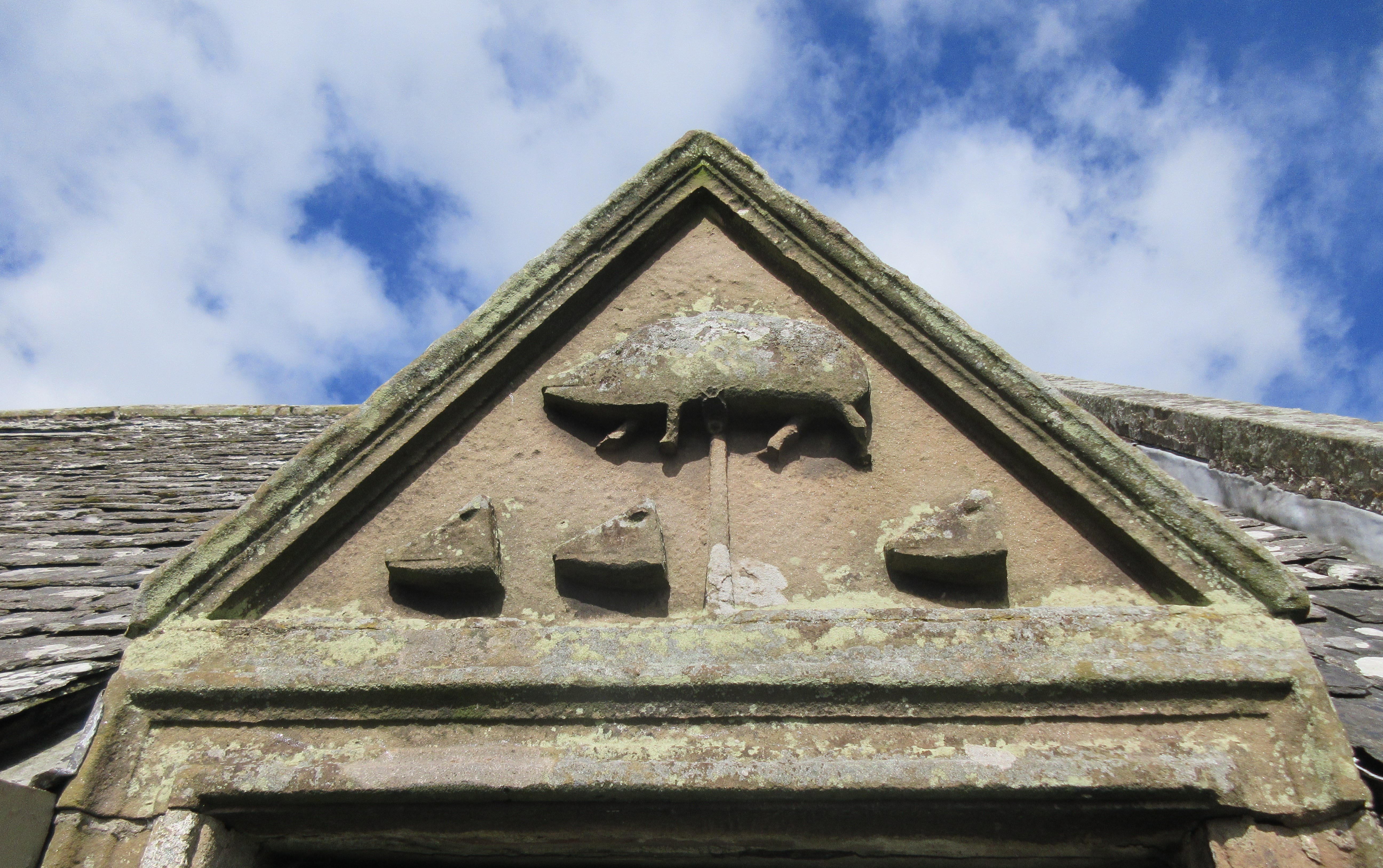
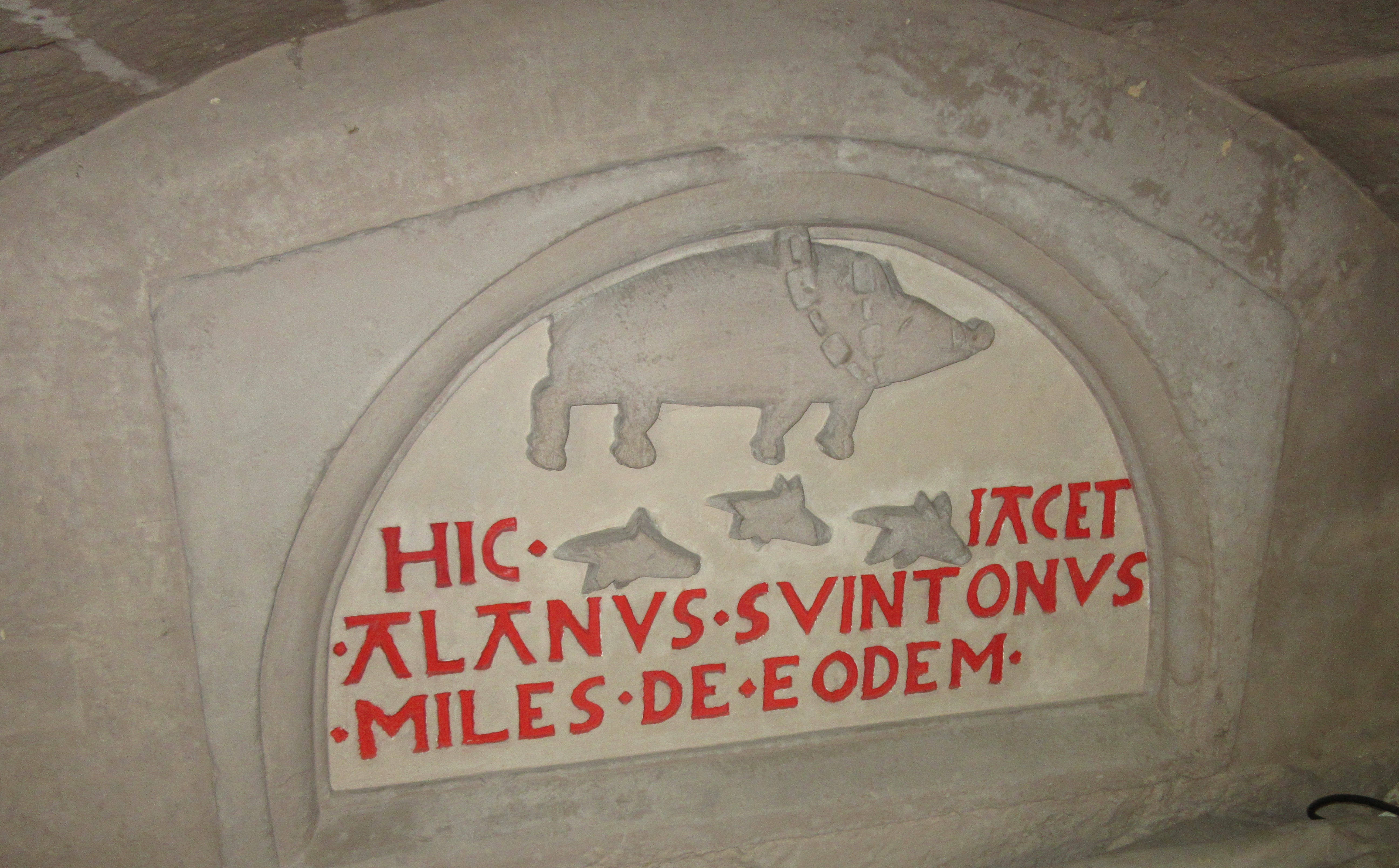
The kirk has strong connections with the Swinton family. An effigy of Alan Swinton, who died around 1200, is believed to be Scotland’s oldest surviving effigy, while a stone Swinton coat of arms above the gallery door is thought to be Britain’s oldest.
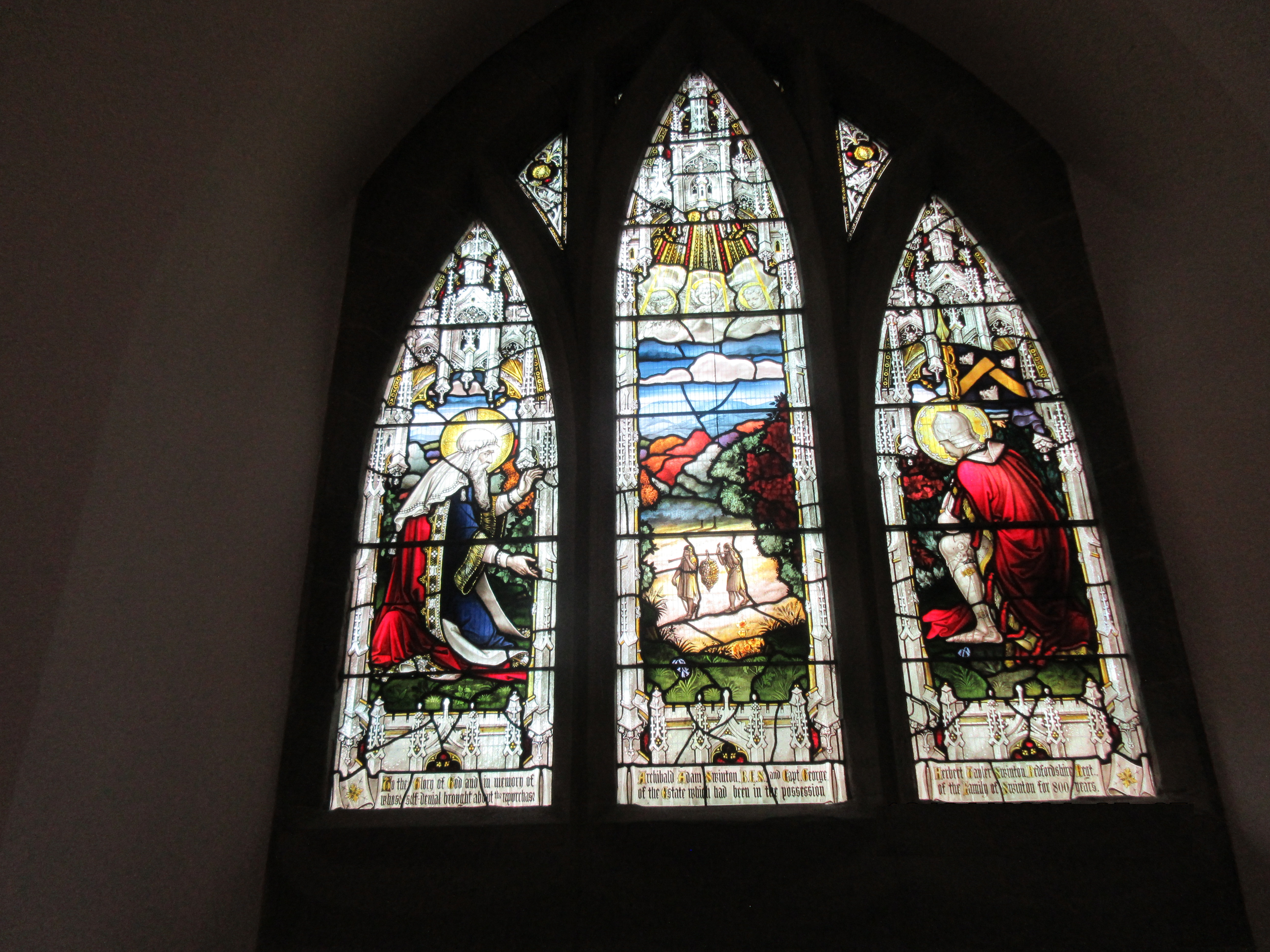
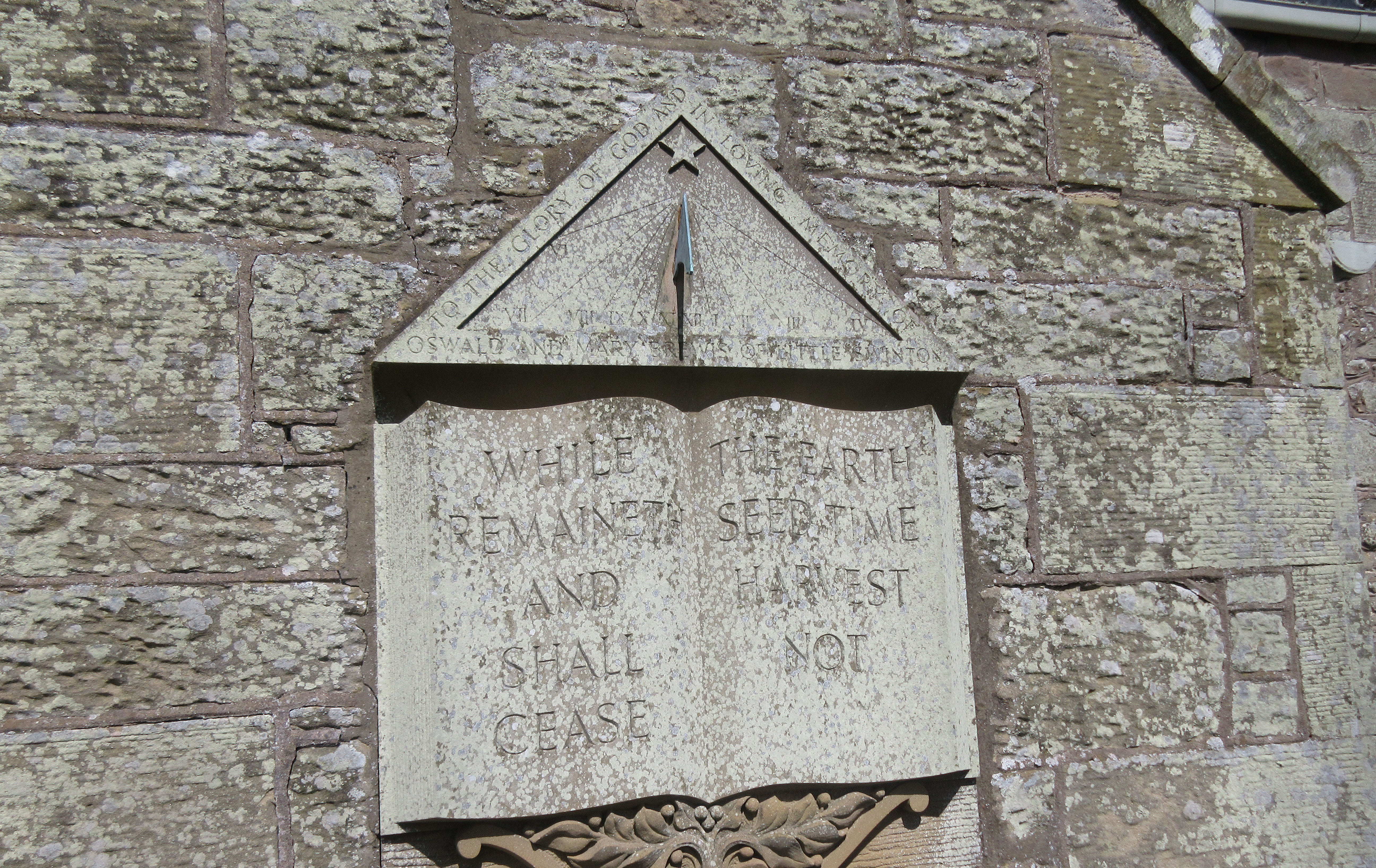
Inside, ancient coloured glass features in the windows, including the west window with its view of the Cheviot Hills. Outside, find the 19th-century sundial and the graves and memorials connected with the Swinton family.
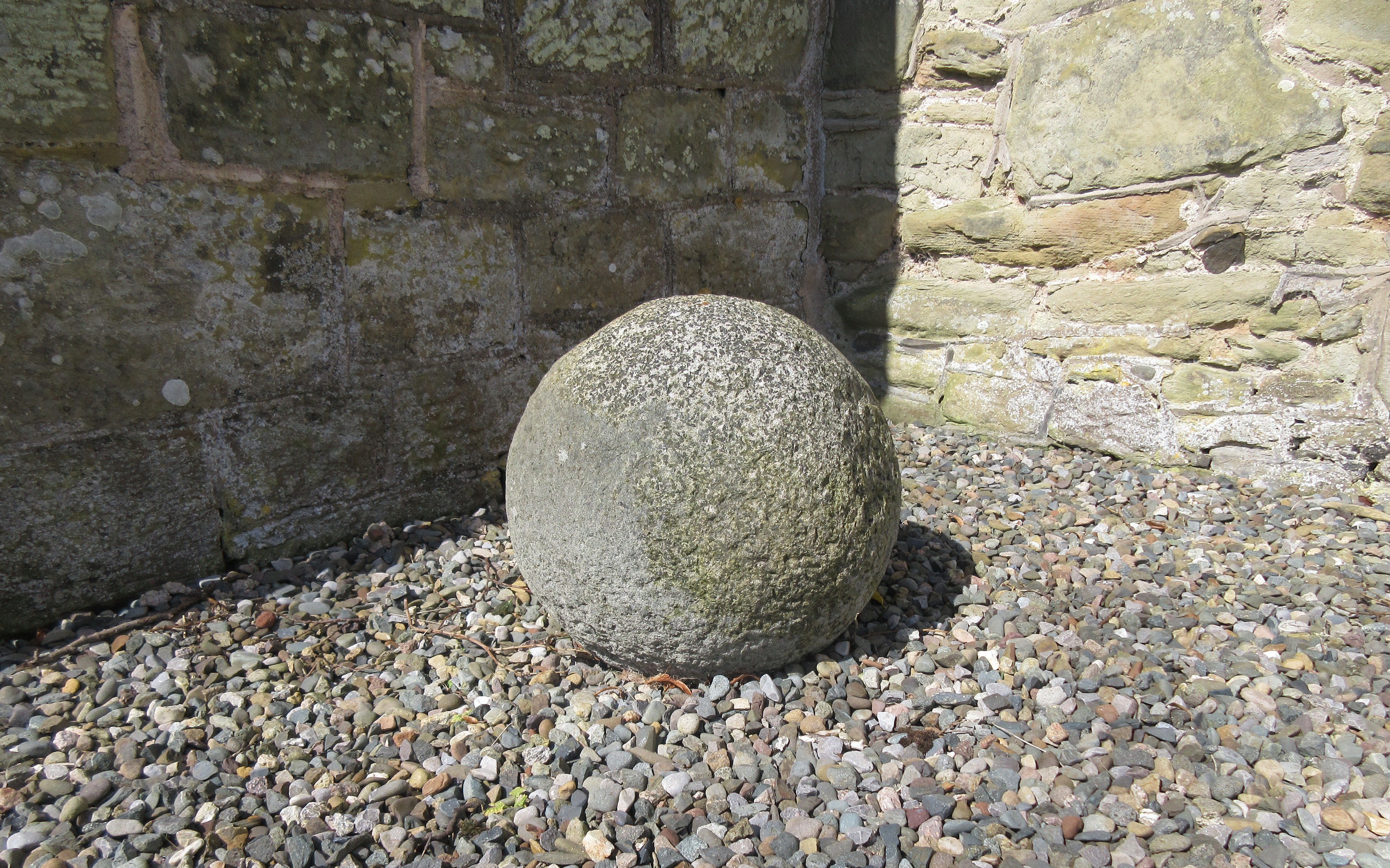
Nearby, the River Leet has its own story: cannonballs from the enormous Mons Meg, used during the 1497 siege of Norham Castle, were discovered when the river was cleared.
Norham, Northumberland
Lying within a few yards of the famous River Tweed, a very substantial church, rich in history and an architectural gem.
Carham, Northumberland
Stunning setting on banks of Tweed and lovely building.
Branxton, Northumberland
Tranquil ancient sacred space and historically important Flodden Battlefield church.