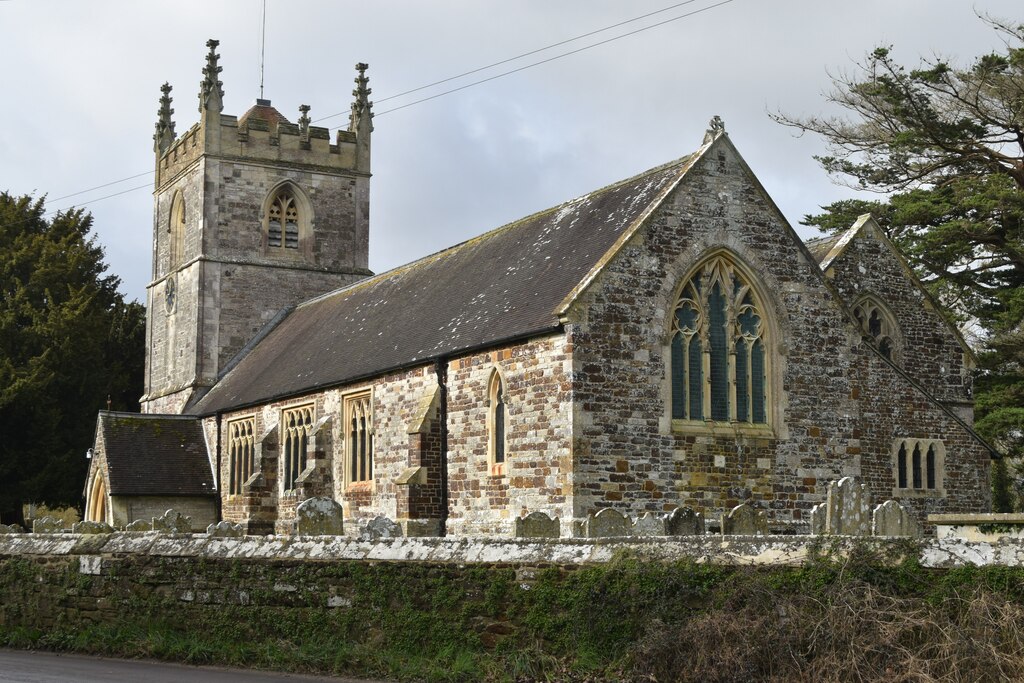
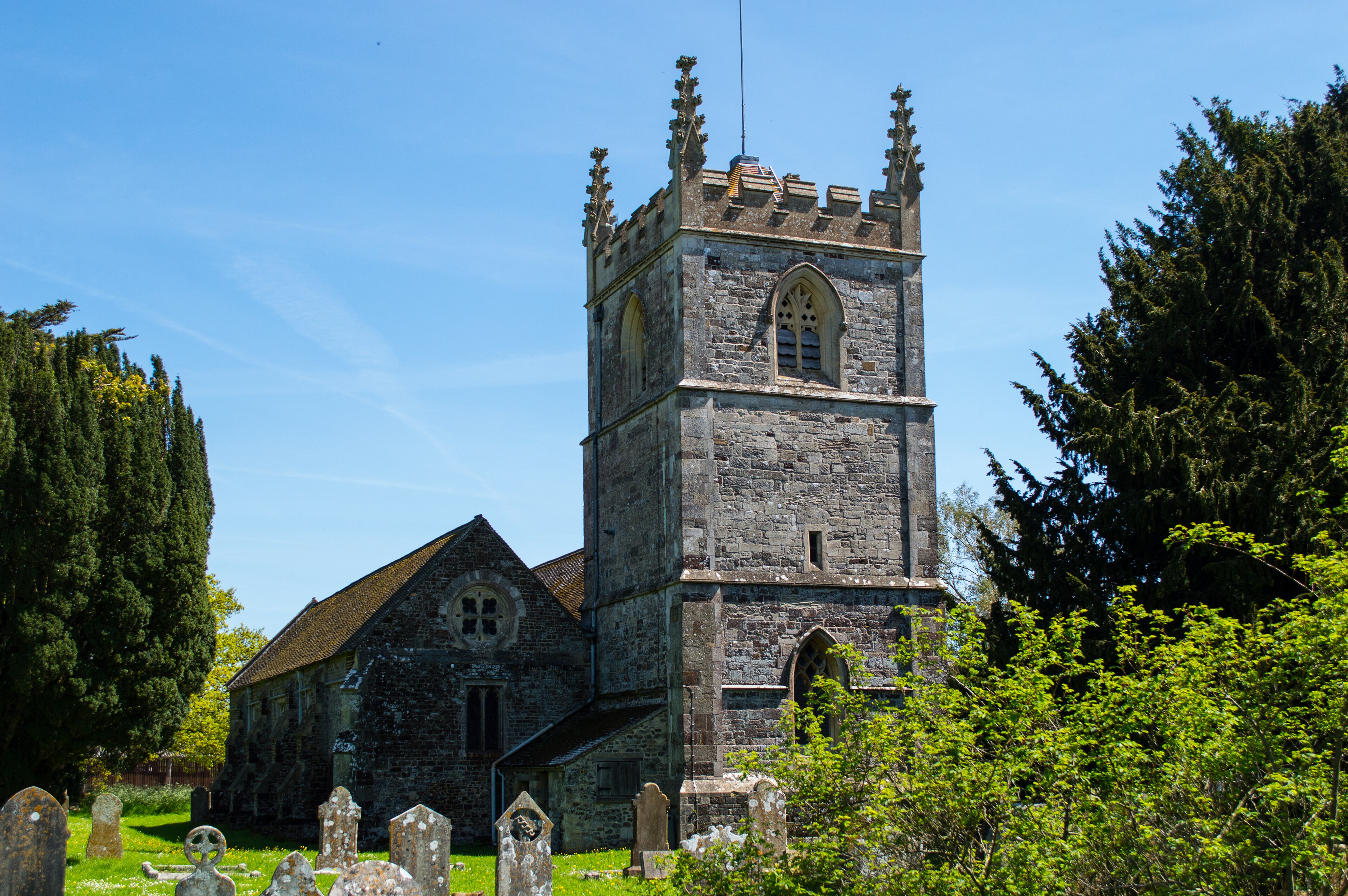
St Mary's is a beautiful building, surrounded by greenery, where everyone may see and experience wildlife areas. St Mary's is originally 12th century. In the 13th to 15th centuries, the chancel, north aisle and nave were successively extended and rebuilt. The churchyard's stone cross was erected in1350. Sadly in 1802 the original bell tower collapsed and in 1805 the west tower was rebuilt. The Victorians undertook a major restoration. Now, in 2026 modernisation and repairs are underway and will be completed in the summer and will provide an accessible WC, a kitchen/servery and a new, accessible pathway from the lychgate to the church.
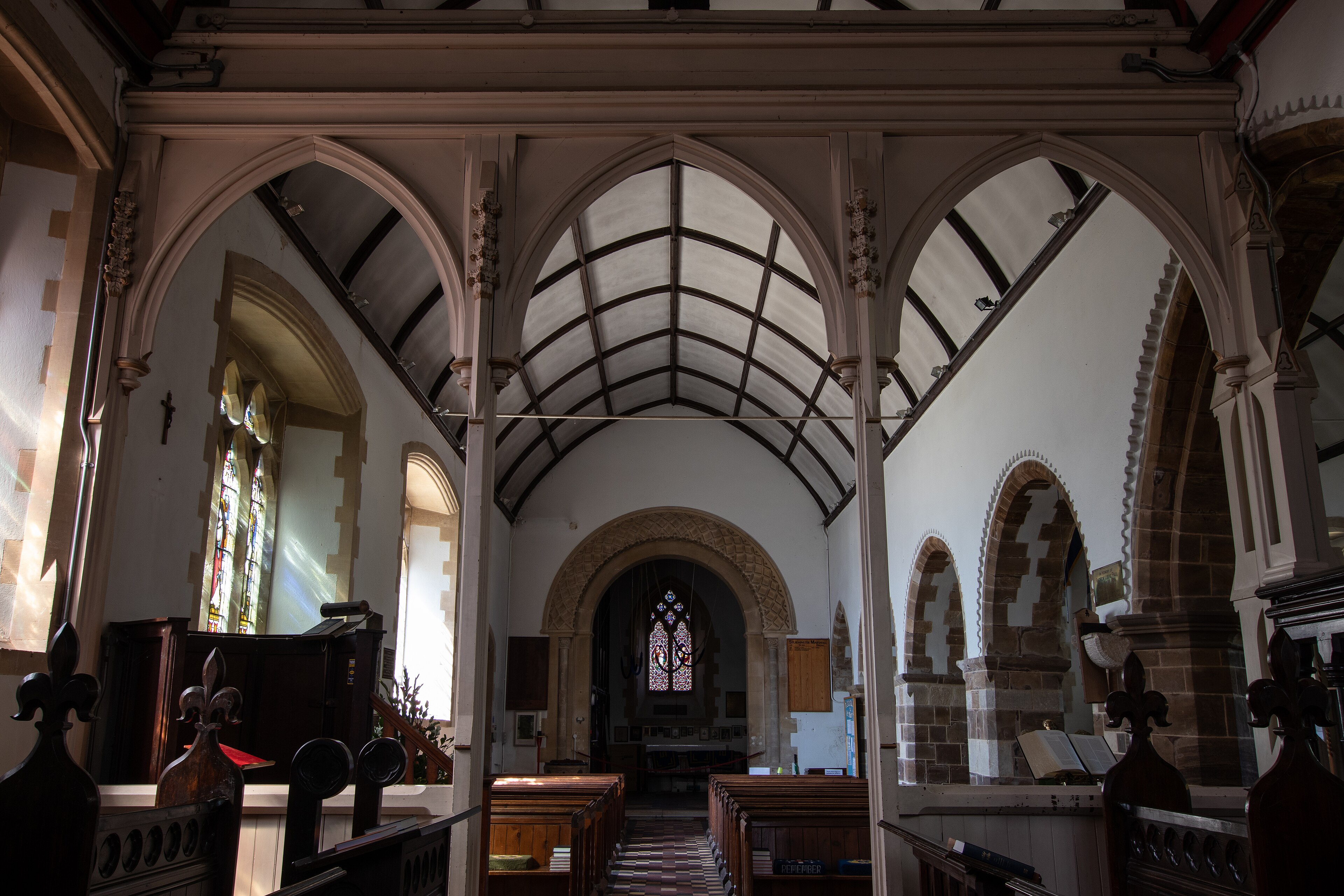
St Mary's is lovely to visit. During a highly energetic, complete restoration in 1858–1859 by the prominent Victorian architect Henry Woodyer, the interior of St Mary's was radically transformed. Woodyer replaced the previous roof with a high, plaster-ceiled barrel-vaulted roof in the nave and chancel. It was specifically designed to give the church a soaring, unified medieval atmosphere, working in tandem with the striking, intricately carved white-and-gold chancel screen he installed below it.
There are unusual relics, such as a 17th century Civil War funeral helm that was famously found being used as a coal scuttle in a nearby cottage. There are two 14th-century coffin slabs, featuring a carved Latin inscription:"Quisquis ades qui morte cades, sta, perlege, plora..." (Whoever you are that passes by, stop, read, weep...). The tower holds arguably one of the finest peals of six bells in the Diocese, including three pre-dating 1350 and one from 1622. And, there is a royal connection: the parish was assigned to Eton College by King Henry VI. To honour this, a 16th-century portrait of the King has been incorporated into the pulpit.
Sturminster Marshall is a large village offering not only its welcoming, beautiful and peaceful church, but also the Red Lion pub, opposite the church, two shops including a chemist and a post office, a primary school and several relics of past village life including the village stocks and maypole, the latter of which is still in use today.
Just outside of the village is a medieval, eight-arched bridge which crosses the River Stour at White Mill. The bridge is believed to be the oldest in Dorset, dating from 1170. White Mill (now owned by the National Trust) has been restored and is open to the public on selected days.