
All Saints
Longhope, Gloucestershire
All Saints church is a Grade II listed building and is described as being a magnificent and prominent building dating back to the 12th century situated in a very picturesque part of the village.
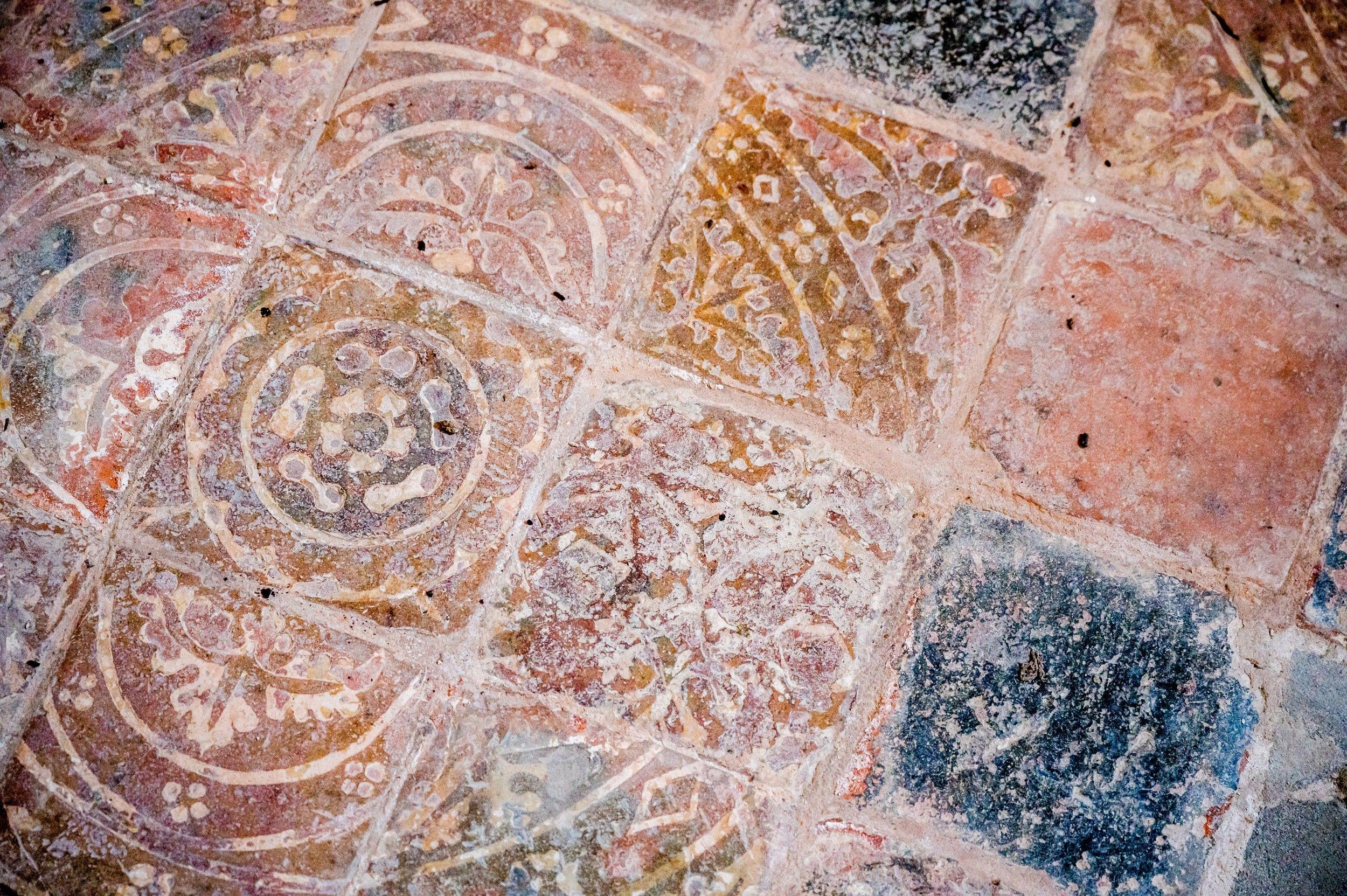
St John the Baptist is a beautiful church in the village of The Lea, Herefordshire, it provides a quiet space for contemplation, and fascinating history.
The Lea, Herefordshire
The Domesday Book (1086): The manor and village of Lea (historically The Lea) were held by the Abbey of Gloucester.
For centuries, Lea was a chapelry of Linton. In 1315, the bishop permitted a local woman named Isabella de Leye to live as an anchoress within the church walls. Becoming an Independent Church: Following heavy flooding in 1418, local parishioners petitioned for the right to hold baptisms and burials locally instead of traveling to Linton. The petition was approved, and the church was consecrated in August 1418.
Early origins: The oldest surviving parts of the fabric include the lower stage of the west tower and parts of the nave walls, dating to the late 1200s. The oldest surviving parts of the fabric are the lower stage of the west tower and the west wall of the nave, dating from the late 13th century. The upper stage of the tower and its recessed broach spire were added in the 14th century.
15th century expansion: During this period, the nave was widened to the north, a north aisle and north chapel were added, and a three-bay Tudor arcade with carved capitals was constructed.
Victorian Restorations (1854 to 1855): The church underwent an extensive Victorian restoration led by architects Medland and Maberly. During this work, the chancel was refitted, many walls were re-cased, and the porch was moved from the south side to the north.
County boundary shift: Historically, the village of Lea was split or placed in Gloucestershire. The parish was officially transferred into Herefordshire in 1844, and the church remained under the Gloucester diocese until 1975 before transferring to the Diocese of Hereford.
Notable features:
The interior features a highly unusual c1200 south Italian marble font bowl (originally a holy water stoup) that rests upon the back of an elephant stone carving. The church contains ‘a grand old chest hollowed perhaps 700 years ago from a giant oak that must have been growing when Alfred was king (849-899AD); its iron bands and hinges have zigzag ornament’ (RCHME, 1932).
Leave yourself time to visit the churchyard. You will see the grave of violinist and composer Bernhard Molique Carrodus who played for Queen Victoria, along with three Commonwealth War Graves, there is also an ancient/veteran Yew tree estimated at over 500 years old on the main path. In winter time there are wild white wood cyclamen, in spring time enjoy the display of pale buttery-yellow wild primroses. There are a number of booklets available in the church highlighting the history of this Grade II* listed building.
Longhope, Gloucestershire
All Saints church is a Grade II listed building and is described as being a magnificent and prominent building dating back to the 12th century situated in a very picturesque part of the village.
Linton, Herefordshire
St Mary’s church sits high in the centre of Linton amidst glorious Herefordshire countryside and has a fascinating history.
Upton Bishop, Herefordshire
St John the Baptist is a beautiful church in the Herefordshire village of Upton Bishop, it provides a quiet space for contemplation and has regular services and events.