St James the Less
Rawtenstall, Lancashire | BB4 8HH
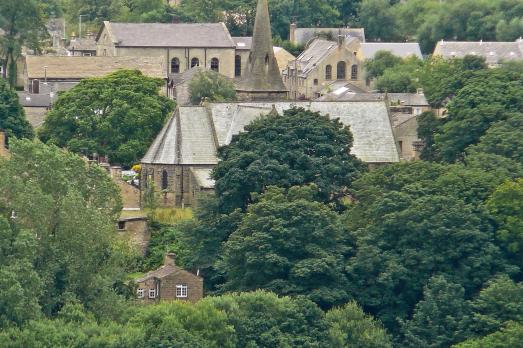
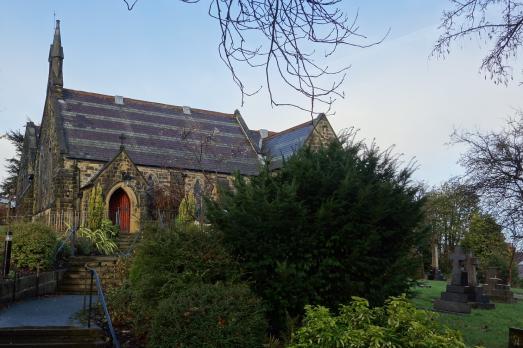
A handsome, historic mid 19th century church featuring a striking open timber roof and modern Brazilian gold granite sanctuary fittings.
Search for a fascinating place to visit, or see the variety of churches, chapels and meeting houses we have supported.
Rawtenstall, Lancashire | BB4 8HH
A handsome, historic mid 19th century church featuring a striking open timber roof and modern Brazilian gold granite sanctuary fittings.
Durisdeer, Dumfries & Galloway | DG3 5BJ
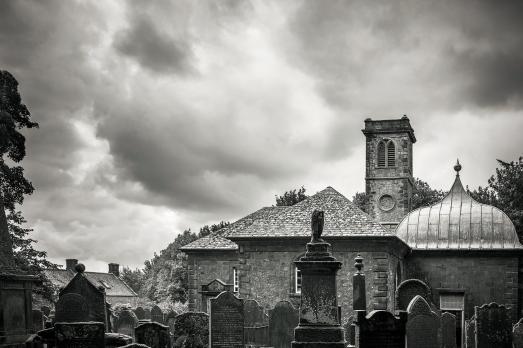
This sleepy 17th century parish church, which also served nearby Drumlanrig Castle, houses the baroque white marble
Croston, Lancashire | PR26 9AH
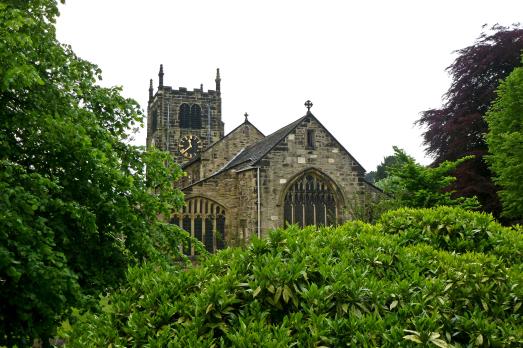
A beautiful medieval church in a picturesque village setting.
We have supported this church
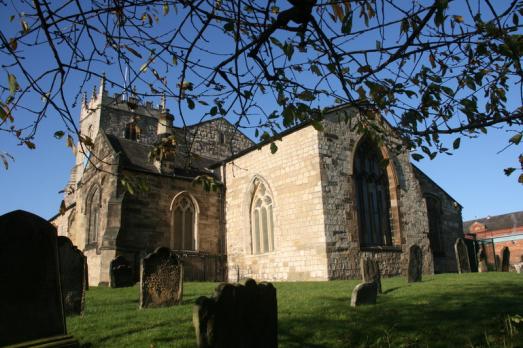
Bingley, Yorkshire | BD16 2LU
The chapel’s first minister appointed in 1695 rejoiced in the name of Accepted Lister. the church dates from 1818.
Middlesbrough, Yorkshire | TS8 0TW
A Cathedral for the people.
New Galloway, Dumfries & Galloway | DG7 3RP
Small Arts & Crafts style church with charming wooden lychgate fronting the road.
We have supported this church
Menston, Yorkshire | LS29 6EU
A village church in the centre of the community.
Hartlepool, County Durham | TS25 1SN
St Aidan's stands in a prominent position and is a red brick Victorian building designed in the Early English style, dedicated in 1890.
Stranton, County Durham | TS24 7QT
Attractive traditional Grade II* listed church with 12th centrury origins, many old features, belltower, organ and historic associations in the Stranton area of Hartlepool.
Longframlington, Northumberland | NE65 8DL
St Mary's dating from 1190, has a fine Norman chancel arch as well as good Victorian stained glass and a carved altar and font cover from the early 20th century.
Chorley, Lancashire | PR7 1EB
St Laurence’s is probably the oldest building in Chorley and like most ancient parish churches in England has played a central role in the history of its local community.
We have supported this church
Otley, Yorkshire | LS21 1RW
Replacing an earlier Independent chapel dating from 1826, the present church building was erected in 1899.