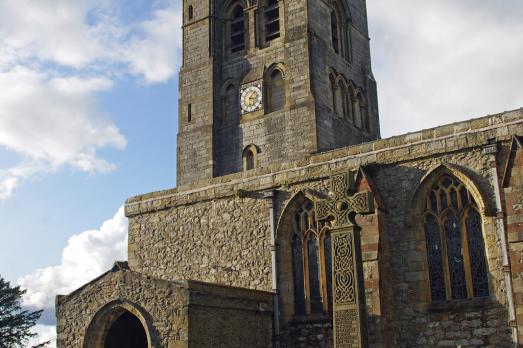
St Peter
Heversham, Cumbria | LA7 7EW
Welcome to St Peter’s, the oldest site of worship in the old county of Westmorland and the building we see today reflects its long and fascinating history.
Search for a fascinating place to visit, or see the variety of churches, chapels and meeting houses we have supported.
Heversham, Cumbria | LA7 7EW
Welcome to St Peter’s, the oldest site of worship in the old county of Westmorland and the building we see today reflects its long and fascinating history.
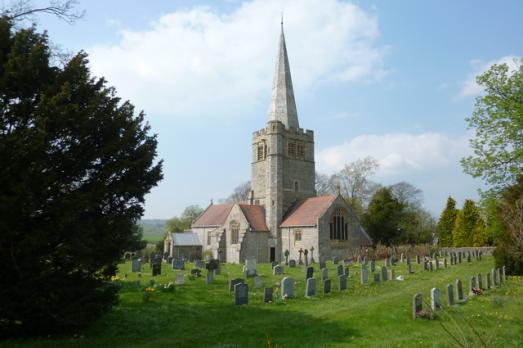
Field Broughton, Cumbria | LA11 6HR
St Peter's is an outstanding example of the decorated style of architecture, with its warm red sandstone and distinctive shingled spire and clay tiled roof, an unusual feature in the Lake District.
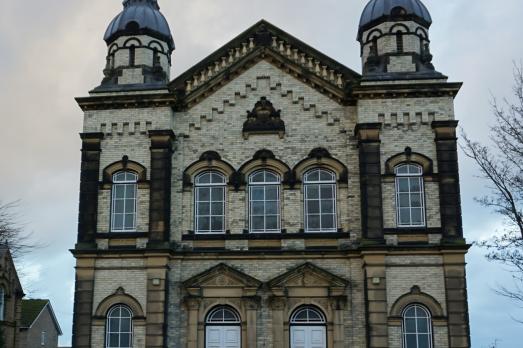
Bridlington, Yorkshire | YO16 7JS
The church is grade II listed as a building of special architectural interest and its distinctive exterior is an important landmark in the Old Town of Bridlington.
Dent, Cumbria | LA10 5QJ
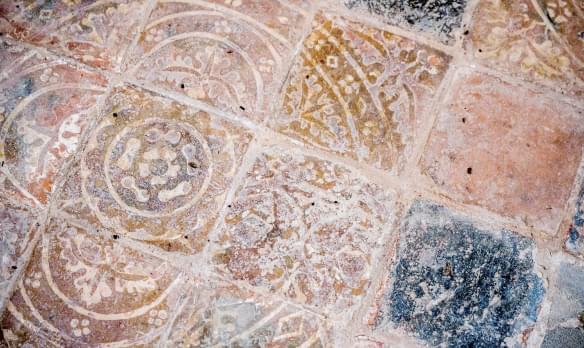
Situated in the beautiful valley of Dentdale, Cumbria yet within the boundary of the Yorkshire Dales National Park, this Grade II building was originally built as a meeting house by the Society of Friends in 1701.
Bridlington, Yorkshire | YO16 7JX
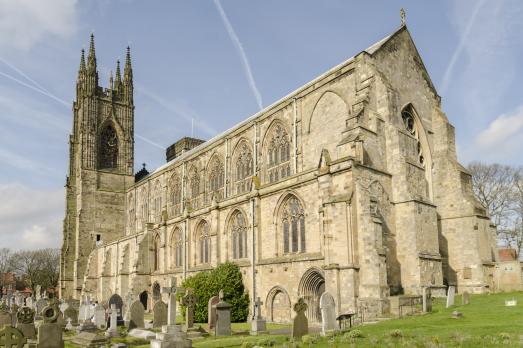
In the days of its medieval glory, Bridlington Priory was one of the great monastic houses of England.
East Heslerton, Yorkshire | YO17 8RN
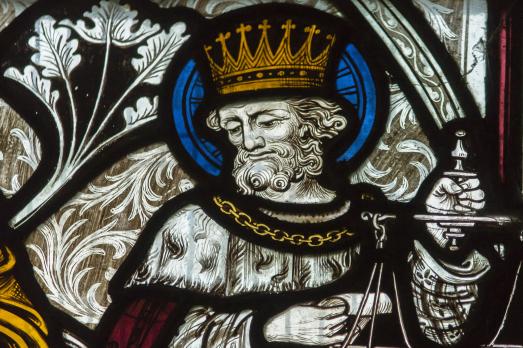
A tall tower and wonderful views.
Cowgill, Cumbria | LA10 5RJ
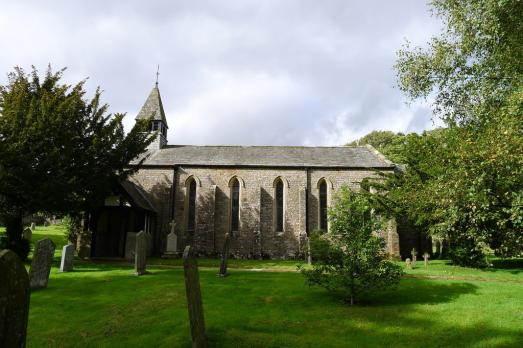
Cowgill church is a welcoming haven for walkers, cyclists and other visitors, sitting on the Dales Way in the the Yorkshire Dales National Park just a mile from the Settle Carlisle Railway and Dent Station.
We have supported this church
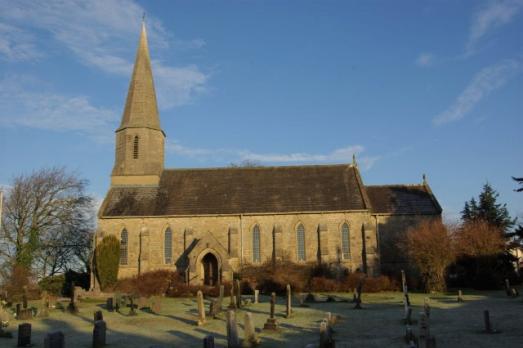
Levens, Cumbria | LA8 8PS
A local landmark, the church is set on the end of a limestone ridge at the gateway to the Lake District National Park with beautiful views across the Kent Estuary to Morecambe Bay.
We have supported this church
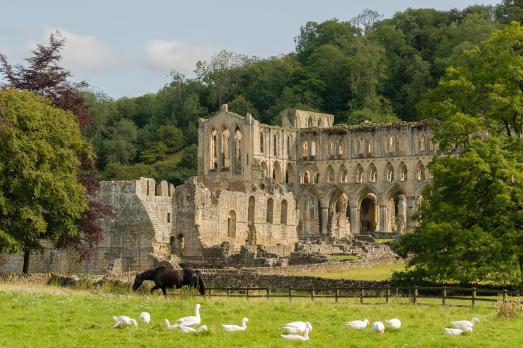
Helmsley, Yorkshire | YO62 5LB
Escape to this tranquil valley of the North York Moors and discover the impressive ruins of one of England's most powerful Cistercian monasteries.
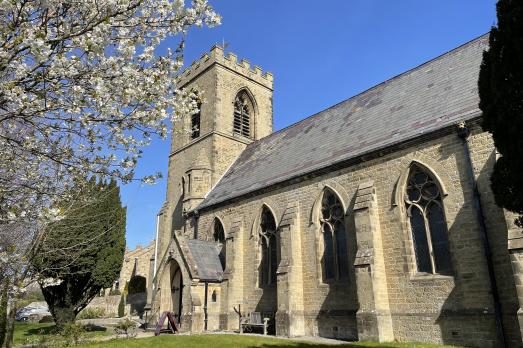
Leyburn, Yorkshire | DL8 5FD
Set in the heart of Wensleydale and built in the Decorated Gothic style, St Matthew's displays the only public clock in the market town of Leyburn.
We have supported this church
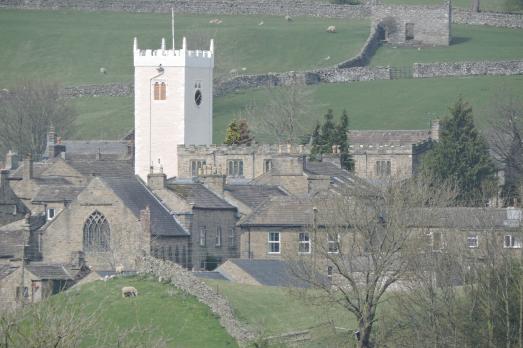
Askrigg, Yorkshire | DL8 3HU
The church is probably the most impressive in Wensleydale with a battlemented tower, nave and chancel.
We have supported this church
Great Edstone, Yorkshire | YO62 6PB
Early 13th century hilltop church, on the edge of the North Yorkshire Moors, with Anglo-Danish sundial and carved Norman font.
We have supported this church