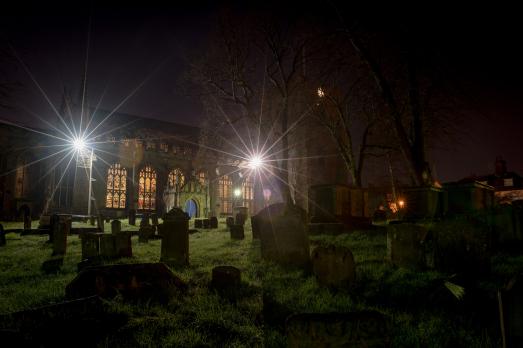
St Mary
Bury St Edmunds, Suffolk | IP33 1RT
Stunning 15th century church, with one of the most magnificent 'angel roofs' in the country.
Search for a fascinating place to visit, or see the variety of churches, chapels and meeting houses we have supported.
Bury St Edmunds, Suffolk | IP33 1RT
Stunning 15th century church, with one of the most magnificent 'angel roofs' in the country.
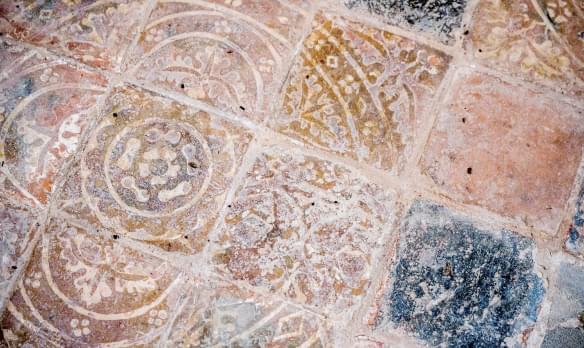
Fiskerton, Lincolnshire | LN3 4AB
The name 'Fiskerton' means Fisherman's town and Fiskerton was both a fishing and farming village until the drainage of the Witham Fens after 1782.
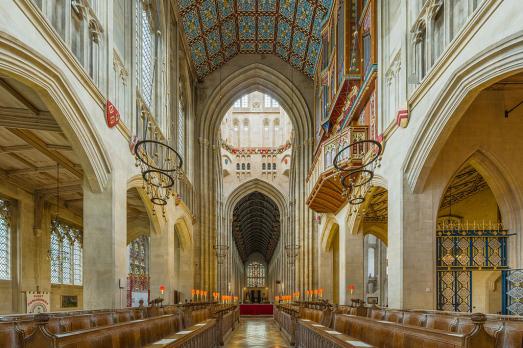
Bury St Edmunds, Suffolk | IP33 1LS
Suffolk's Cathedral, welcoming of all, always.
Campsall, Yorkshire | DN6 9AG
The church building occupies a dominant site in the village.
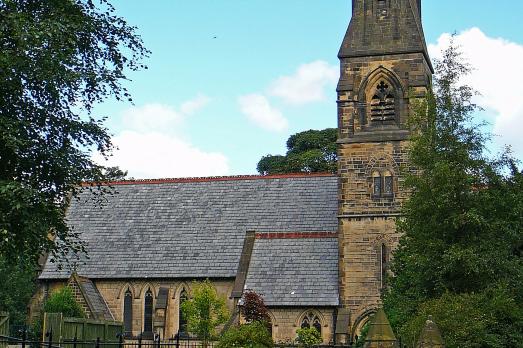
Steeton with Eastburn, Yorkshire | BD20 6SB
St Stephens welcomes all, situated in the oldest part of the village.
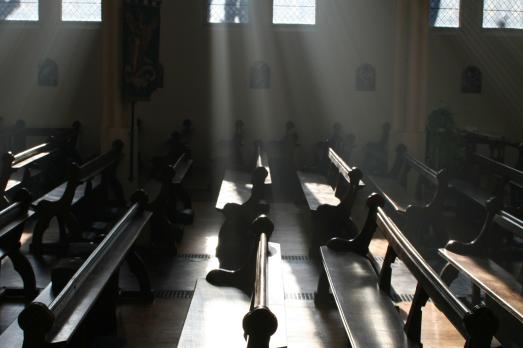
Bury St Edmunds, Suffolk | IP33 1SP
Unique Grade II* early Victorian gothic church in Early English style by William Ranger, with landmark brick spire and striking interior telling the story of Anglican catholic worship from the mid 19th century up to the present day.
We have supported this church
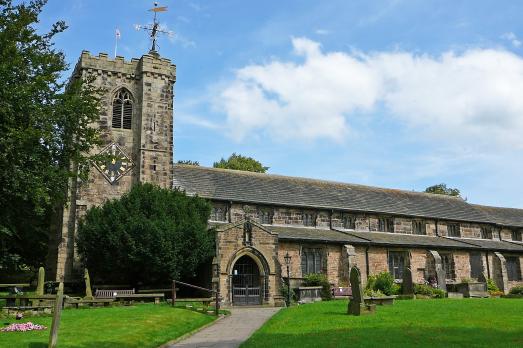
Kildwick, Yorkshire | BD20 9BB
With a history reaching to the dawn of Christianity in Craven, this magnificent building tells a thousand year story with mediaeval piety and Tudor jerry building.
We have supported this church
Terrington St John, Norfolk | PE14 7RZ
St John's has an unusual looking exterior as it has a slim tower in comparison to the nave.
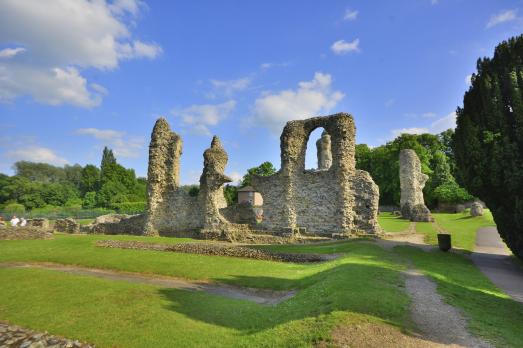
Bury St Edmunds, Suffolk | IP33 1LS
Located in the heart of Bury St Edmunds, the abbey was once one of the richest and most powerful Benedictine monasteries in England.
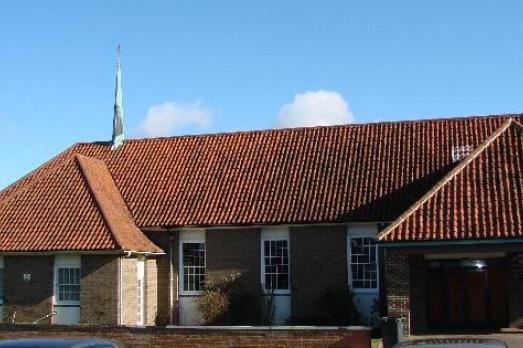
Bury St Edmunds, Suffolk | IP32 6EJ
St George's was built in 1951.
We have supported this church
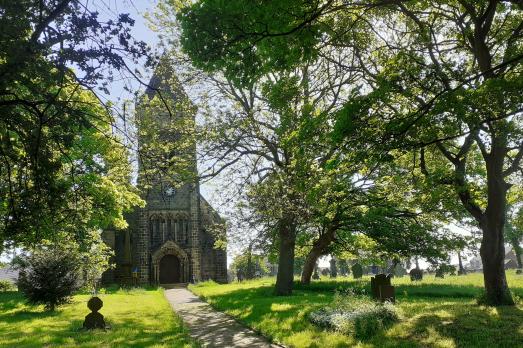
Stanningley, Yorkshire | LS28 6NB
St Thomas church, with its unusual layout and ceiling, is a wonderful place to meet together for worship or to trace the industrial history of Stanningley.
We have supported this church
Wingham, Kent | CT3 1BB
In the late 1200s the Archbishop of Canterbury established a college here for a master and six canons (priests), which accounts for the large size of this church, and also accounts for the timber framed houses opposite, which were where the master and his canons lived.