
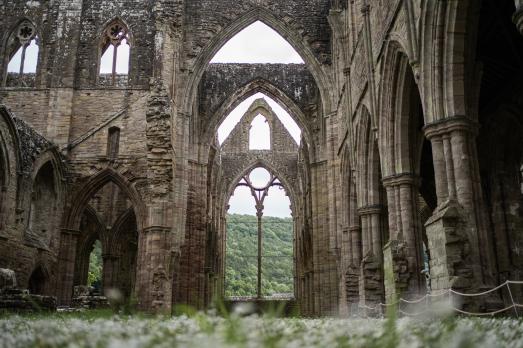
Tintern Abbey
Tintern, Monmouthshire | NP16 6SE
Gothic masterpiece became a Romantic symbol of the sublime.
Search for a fascinating place to visit, or see the variety of churches, chapels and meeting houses we have supported.
Tintern, Monmouthshire | NP16 6SE
Gothic masterpiece became a Romantic symbol of the sublime.
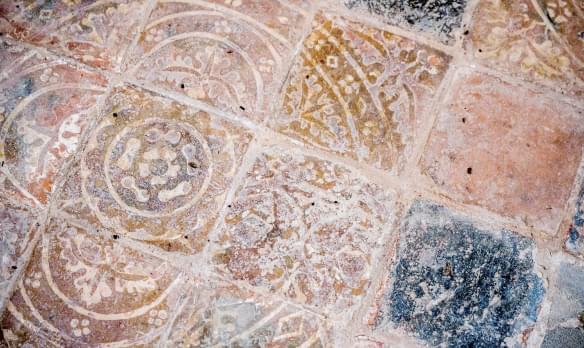
Cuddington, Surrey | KT4 7HL
The present St Mary’s was opened in 1895, but a medieval stone and tile in the porch are clues to the parish’s much longer story.
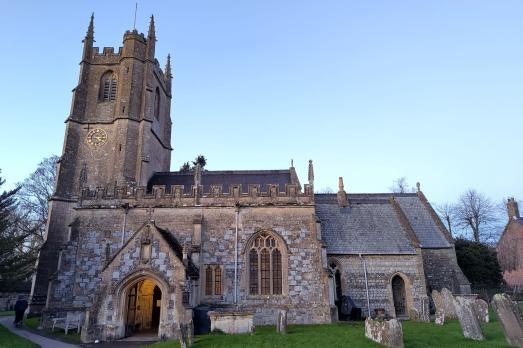
Avebury, Wiltshire | SN8 1RG
The Grade I church is well grouped with the Tudor manor.
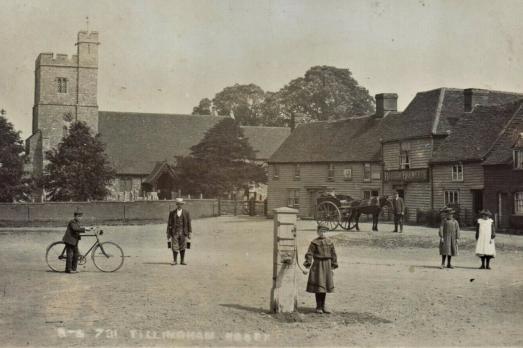
Tillingham, Essex | CM0 7SU
Tillingham's grassy square is lined with weather boarded cottages and a pub with the church sitting back a little to become an integral part of the village scene.
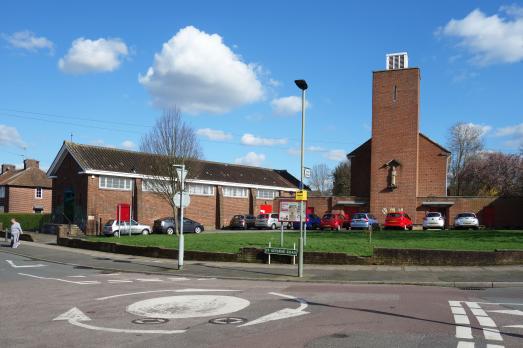
Mottingham, Greater London | SE9 4AQ
A welcoming, modern Gothic church, with high ceilings and windows that create a light, spacious feeling.
We have supported this church

Sunderland, Tyne & Wear | SR1 3ET
A beautiful serene example of an ancient church surviving in a modern age with something for everyone to enjoy and nice friendly staff who are more than happy to help.
We have supported this church
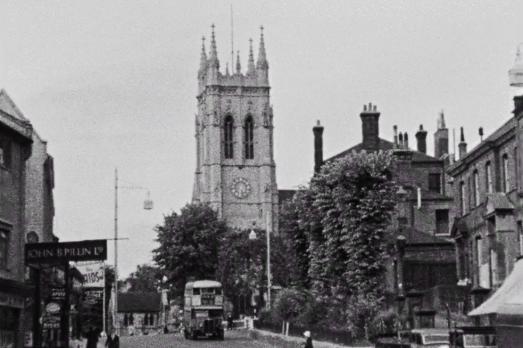
Beckenham, Greater London | BR3 1AX
Beckenham as a settlement dates from 862.
Kington St Michael, Wiltshire | SN14 6JA
Lovely 12th century village church with some fascinating history.
Savernake, Wiltshire | SN8 3BG
This large estate church in the woods with a tall spire was built for the Second Marchioness of Ailesbury by TH Wyatt in 1861.
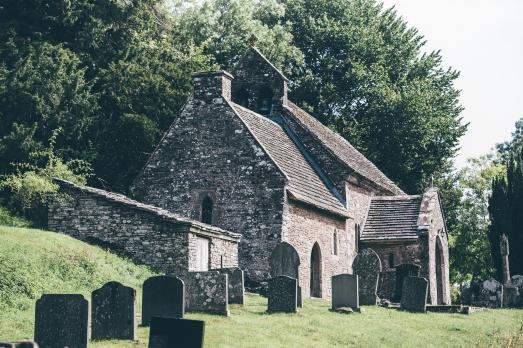
Patricio, Powys | NP77LP
Reached along tiny, winding flower filled lanes (or by footpath), this medieval church sits on a south facing slope looking over a tiny valley to the slopes of the Sugar Loaf mountain.
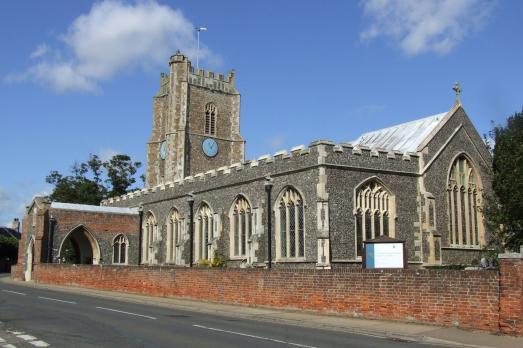
Aldeburgh, Suffolk | IP15 5DU
On the east coast of Suffolk and looking out to sea, it is rich in history, and there is a magnificent window by John Piper in memory of Benjamin Britten.
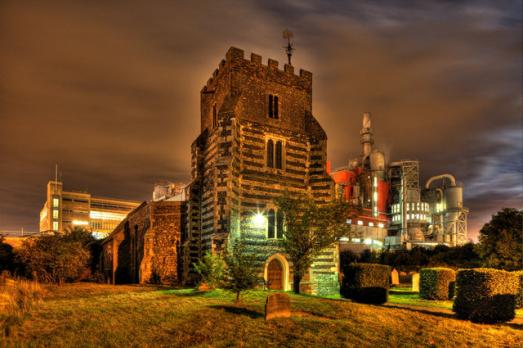
West Thurrock, Essex | RM20 4AL
The first church close to the river would have been on the strip of gravel which the present day church stands, there was no sea wall or river bank as we know it today.