
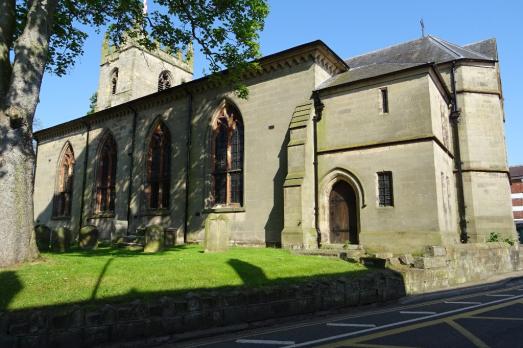
St Peter & St Paul
Wem, Shropshire | SY4 5DP
Used daily for prayer and worship. Sited in the heart of this Shropshire market town adjacent to a medieval motte castle mound, there has been a church on this site since Saxon times.
Search for a fascinating place to visit, or see the variety of churches, chapels and meeting houses we have supported.
Wem, Shropshire | SY4 5DP
Used daily for prayer and worship. Sited in the heart of this Shropshire market town adjacent to a medieval motte castle mound, there has been a church on this site since Saxon times.
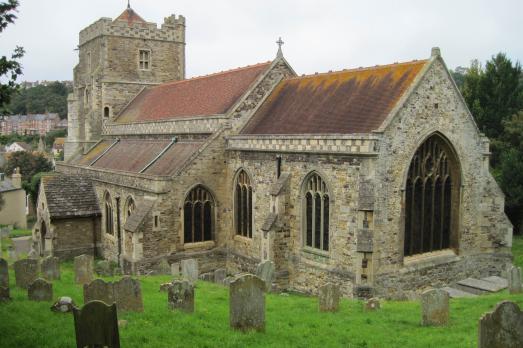
Hastings, Sussex | TN34 3JB
The church was founded in 1020AD, ravaged by the French and rebuilt between 1417 and 1430.
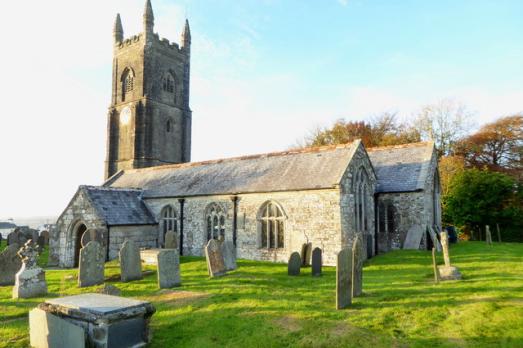
Lewannick, Cornwall | PL15 7QD
Very peaceful and welcoming medieval church, near to pup and shop.
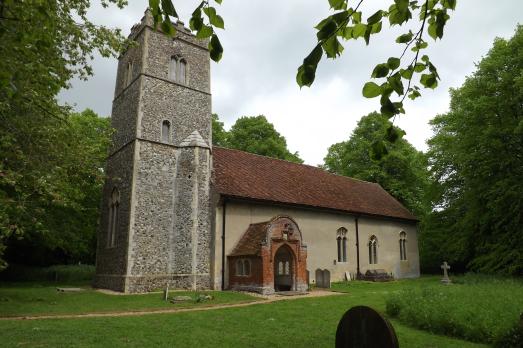
Somersham, Cambridgeshire | PE28 3EG
This fine Grade I listed rural church is larger than those in other local villages and was built in the 13th century.
We have supported this church
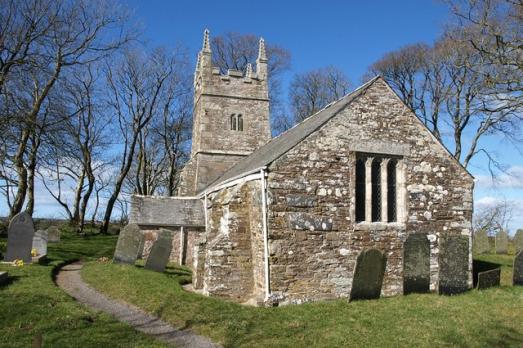
Tremaine, Cornwall | PL15 8SA
St Winwaloe church in Tremaine is one of the smallest parish churches in Cornwall, being just twelve feet wide and forty four feet long with the earliest parts of the church as well as the font being Norman.
We have supported this church
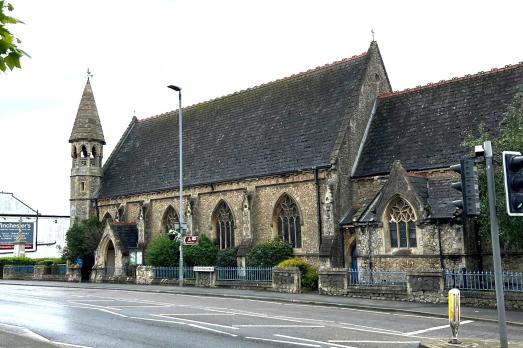
Ore, Sussex | TN35 5BG
A Grade II listed Victorian, decorative gothic church full of history and fascinating surprises, set in attractive gardens containing the village cenotaph and within walking distance of Ore village shops.
We have supported this church
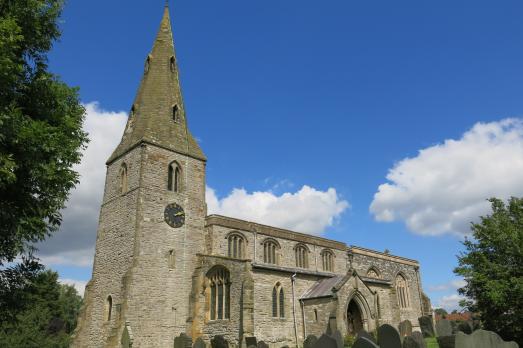
Willoughby on the Wolds, Nottinghamshire | LE12 6SY
The church and its chantry chapel date from the 13th century, the chapel contains nationally important alabaster tombs.
We have supported this church

Poundstock, Cornwall | EX23 0AX
Despite over rigorous restoration in Victorian times, this village church has regained much charm after recent restoration programmes.
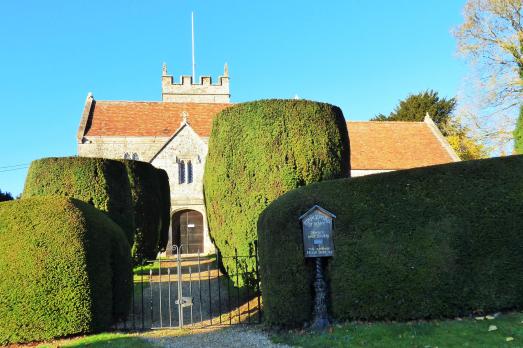
Stapleford, Leicestershire | LE14 2SF
A tasteful church with fabulous family tombs.
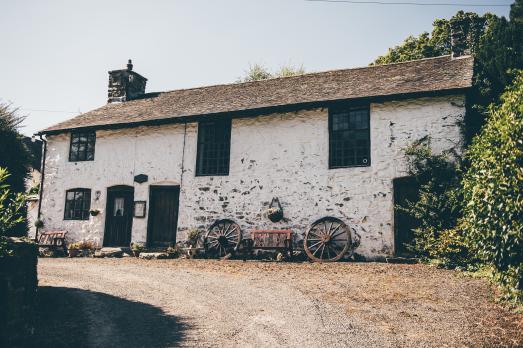
Pontrobert, Powys | SY22 6JA
John Hughes, the famous Methodist minister, preached and lived at the chapel until his death in 1854.
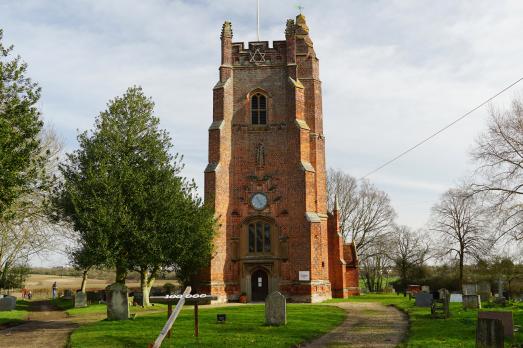
Rayne, Essex | CM77 6BT
This is a Grade I listed church building with a distinctive brick Tudor tower.
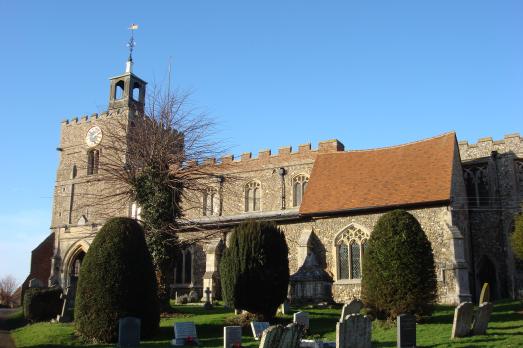
Finchingfield, Essex | CM7 4NW
The tower of Finchingfield's church looks out over one of the best loved villagescapes in England, with its duck pond, green and charming old houses having been the subject of countless photos.