
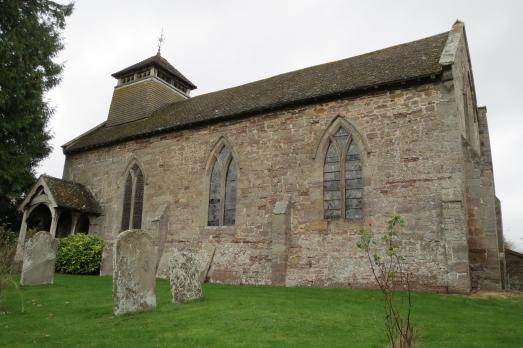
St George
Brinsop, Herefordshire | HR4 7AU
Brinsop's 14th century church, at the end of a cul de sac lane, is famous for its ancient depictions of St George, one in stone the other in glass.
Search for a fascinating place to visit, or see the variety of churches, chapels and meeting houses we have supported.
Brinsop, Herefordshire | HR4 7AU
Brinsop's 14th century church, at the end of a cul de sac lane, is famous for its ancient depictions of St George, one in stone the other in glass.
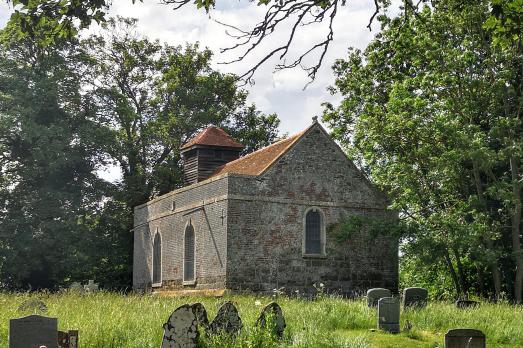
Great Steeping, Lincolnshire | PE23 5PU
Great Steeping is home to two churches named All Saints and this one, built in 1891 of red brick, is the youngest.
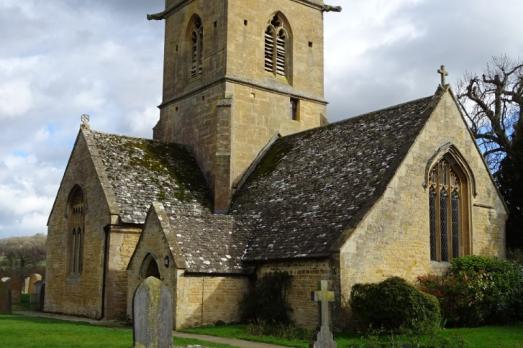
Willersey, Gloucestershire | WR12 7PN
This beautiful, ancient parish church in Cotswold stone is remarkable for being cruciform and serves the idyllic villages of Willersey and Saintbury.
We have supported this church
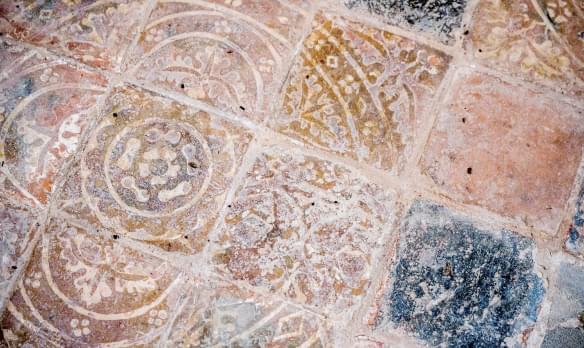
Lowick, Northamptonshire | NN14 3BH
A splendid perpendicular church which was largely built by the Greene family of nearby Drayton, this was a remarkable achievement given that England was subject to the Wars of the Roses during a large part of this period.
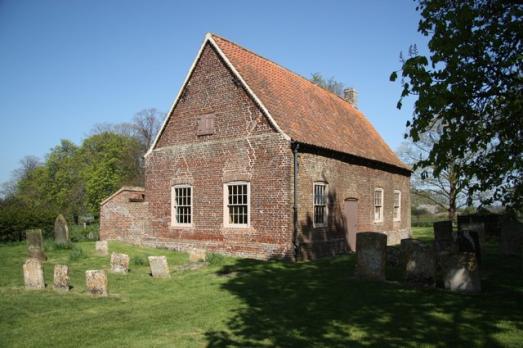
Monksthorpe, Lincolnshire | PE23 5PP
Built in a time of dissent and persecution, this unique secluded chapel was designed to look like a farmyard barn in order to avoid being discovered.
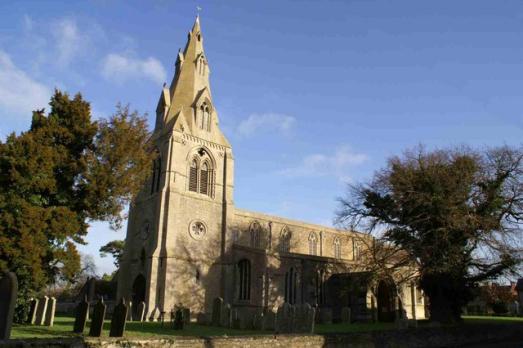
Warmington, Northamptonshire | PE8 6TE
The interior of the church is 13th century at its best, with a wooden roof in imitation of stone vaulting and one of the best collections of Green Men in England.
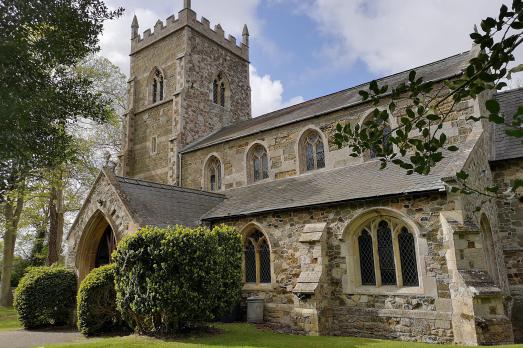
Theddlethorpe, Lincolnshire | LN12 1NS
The greatest treasure in this church is the stone reredos in the east wall of the north aisle.
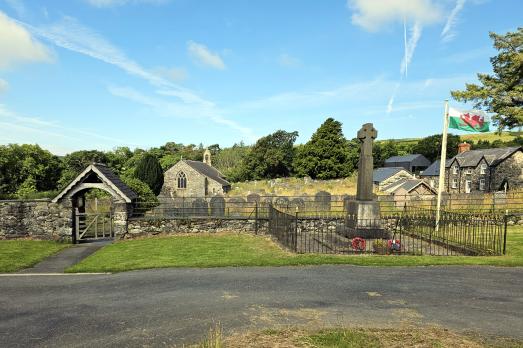
Llanegryn, Gwynedd | LL36 9ST
Always open, and on the North Wales Pilgrim's Way, Llanegryn church features a beautiful rood screen.
We have supported this church
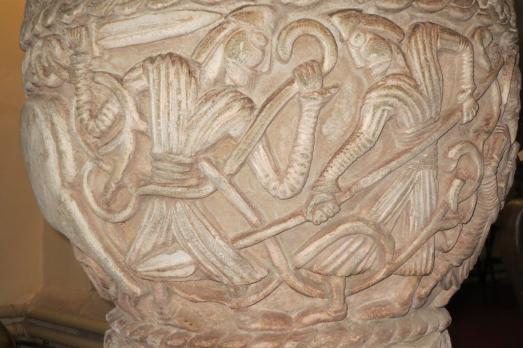
Eardisley, Herefordshire | HR3 6NL
Home to what many consider to be the finest Norman font in England, this impressive parish church is an excellent example of a medieval hall.
We have supported this church
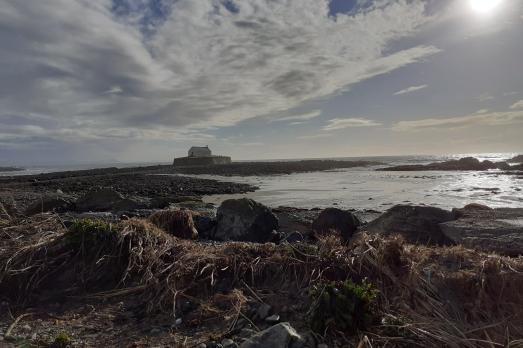
Llangwyfan, Anglesey | LL63 5YR
It may seem an odd and perilous place to build a church, but St Cwyfan's originally stood at the end of a peninsula between two bays, as shown on John Speed's map of Anglesey from 1636.
Farthingstone, Northamptonshire | NN12 8EZ
It will be primarily the late 19th and 20th century stained glass that will draw you to this small medieval church at the centre of this handsome ironstone village.
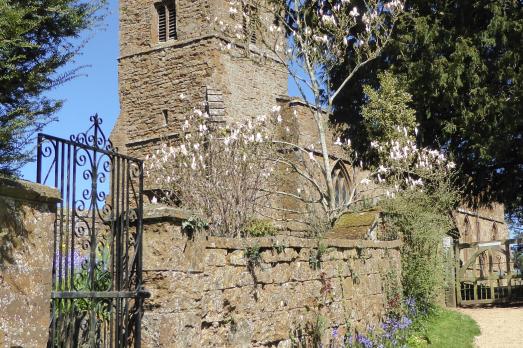
Mollington, Oxfordshire | OX17 1DW
Possibly the oldest church in the Diocese of Oxford, the earliest parts of All Saints date from the 14th century, but the font is 13th century so there may have been an earlier church building on the site.
We have supported this church