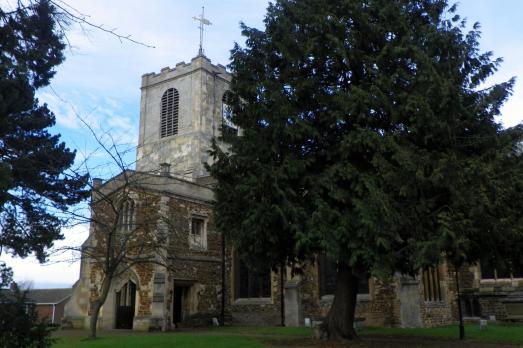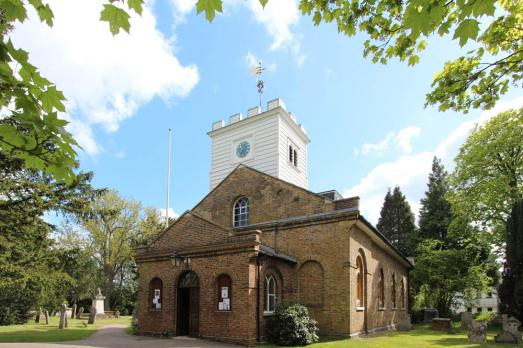
St Peter
Stevenage, Hertfordshire | SG2 8AN
St Peters was built at the time the area of Broadwater was developed in the mid 1950s.
Search for a fascinating place to visit, or see the variety of churches, chapels and meeting houses we have supported.
Stevenage, Hertfordshire | SG2 8AN
St Peters was built at the time the area of Broadwater was developed in the mid 1950s.
Woodside Park, Greater London | N12 8HY
The Belarusian Memorial Chapel is the first wooden church built in London since the Great Fire of 1666.
Shelton, Staffordshire | ST1 4LT
Built in 1868, St Mark’s church, the ‘Potters Cathedral’, is a significant local landmark and the home of unique artworks created by artisan potters and craftsmen.
Hampstead Garden Suburb, Greater London | NW11 7AH
St Jude's was designed by Edwin Lutyens to be the centre piece of Hampstead Garden Suburb.
Elerch, Ceredigion | SY24 5DP
A church designed by Butterfield at the heart of the old lead mining industry.
Llangennith, Glamorgan | SA3 1HY
St Cenydd is a 12th century church on the site of a 6th century llan, or churchyard, which retains the original circular footprint.
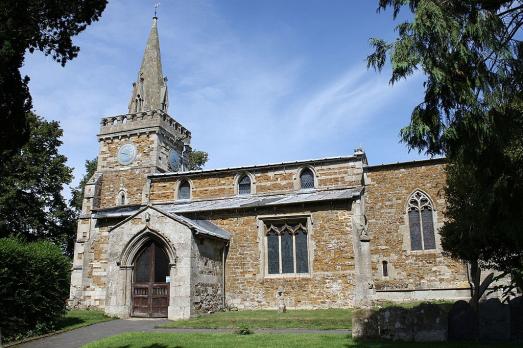
Brooke, Rutland | LE15 8RE
This long, low church, with its rather dumpy 13th century tower, is an unlikely but harmonious mix of styles.
Westhumble, Surrey | RH5 6DU
A little weather boarded chapel that was once a barn.
Llanarmon Mynydd Mawr, Powys | SY10 0EB
A charming rural Pilgrim Church set in an isolated location in the hills above the Tanat Valley.
West Hampstead, Greater London | NW6 1JU
The origin of Emmanuel Church lies in the rapid development of West Hampstead in the second half of the 19th century after the arrival of the railways.
Chaddesden, Derbyshire | DE21 6LS
St Mary's is a Grade I listed building from the 1300s with many unusual features and history written across the walls, home to a welcoming church family of over 100 people with young families and older folk worshipping and growing together.
We have supported this church
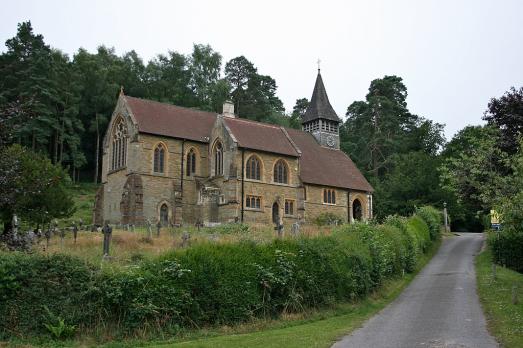
Hanley, Staffordshire | ST1 1QF
This huge 19th century chapel was once the most popular place of worship in what was to become the city of Stoke on Trent, a federation of the six towns of the Potteries.