All Saints
Wing, Buckinghamshire
A famous Anglo Saxon church with additions, All Saints stands in a large churchyard on the edge of the village, from which it is approached through a fine 20th century lychgate.

Village church, old tower with nave/chancel rebuilt by GE Street, burial place Rear Admiral Sir James Clark Ross.
Aston Abbotts, Buckinghamshire
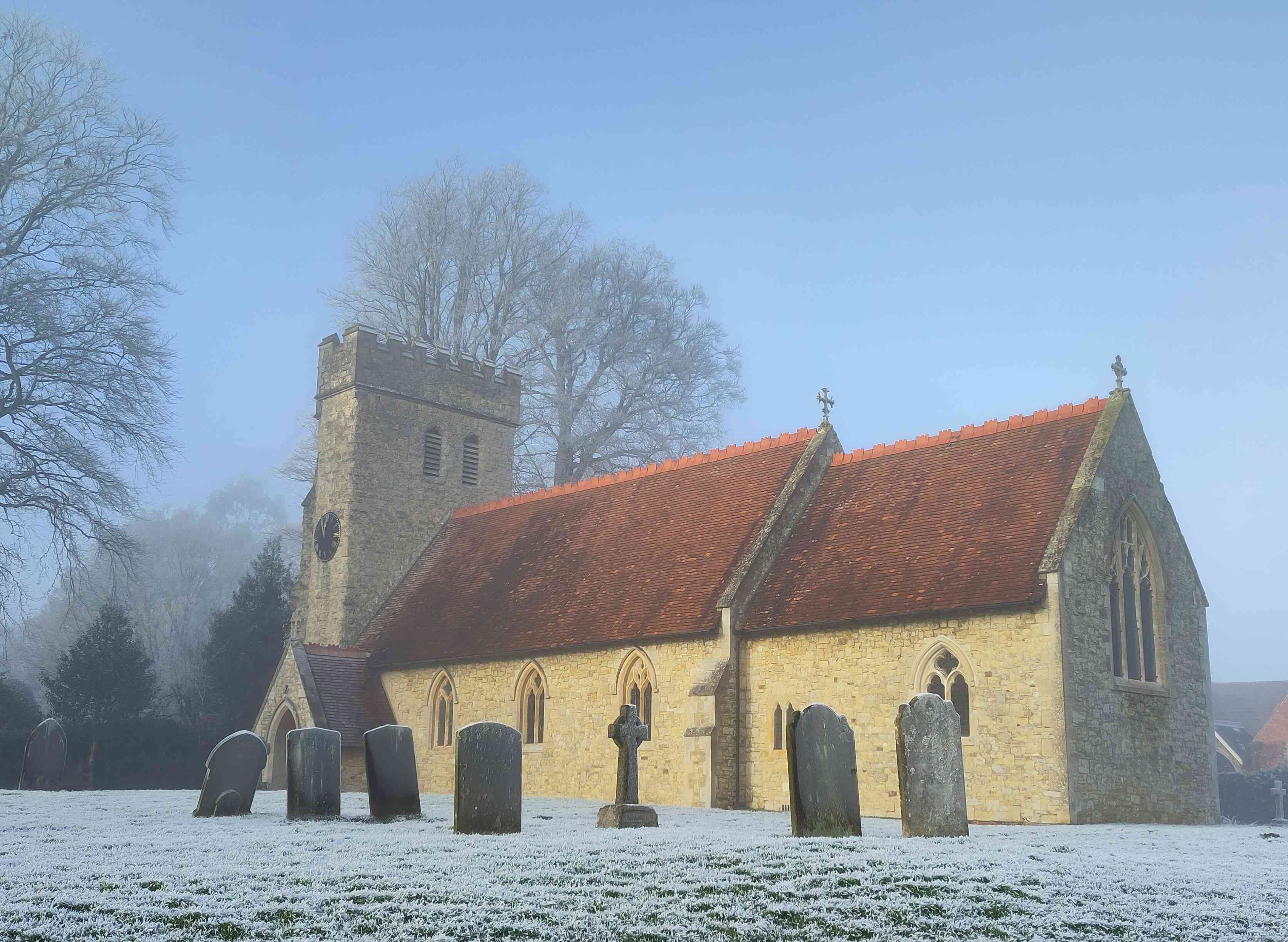
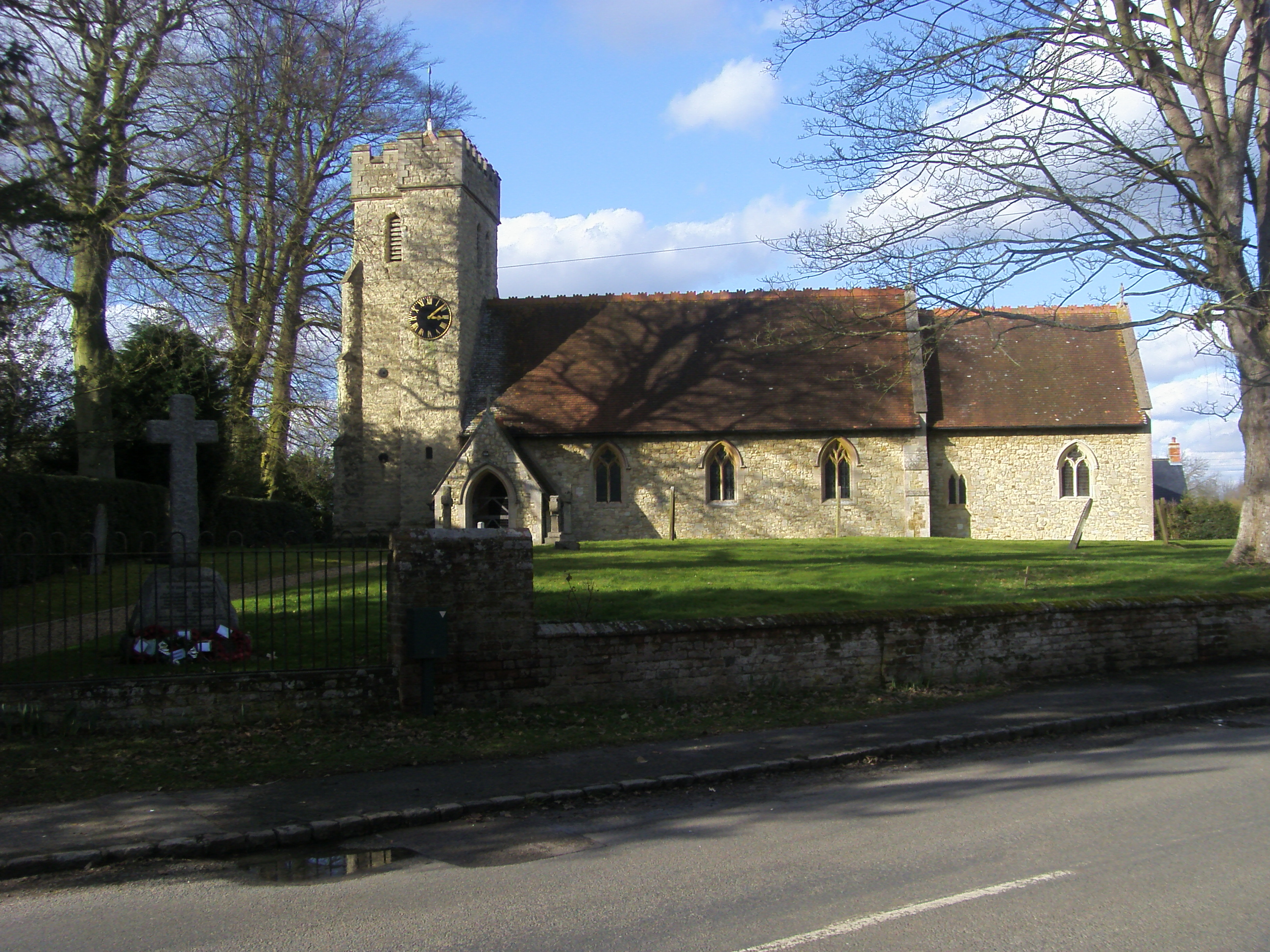
The church tower is early 16th century in the perpendicular style. By 1864 the nave and chancel walls were bowing outwards and could not be saved. They were rebuilt to the design of GE Street and the church was rededicated in May 1866.
The tower (not open to the public) houses a chiming clock made by Gillett in 1889, and six bells. Nos 2, 3 and 5 were cast in 1652 by the Chandler family, blacksmiths at Drayton Parslow. Nos 4 and 6 (1739 and 1740) say “Edward Hall made me”. No 1 was given in 1929 by an American, William Putnam, in memory of his churchwarden ancestor John who left about 1630 and became famous for his involvement in the Salem witch trials. His American descendants visit regularly! See the carved panel inside the main door. The bells are rung twice a week (practice and services).
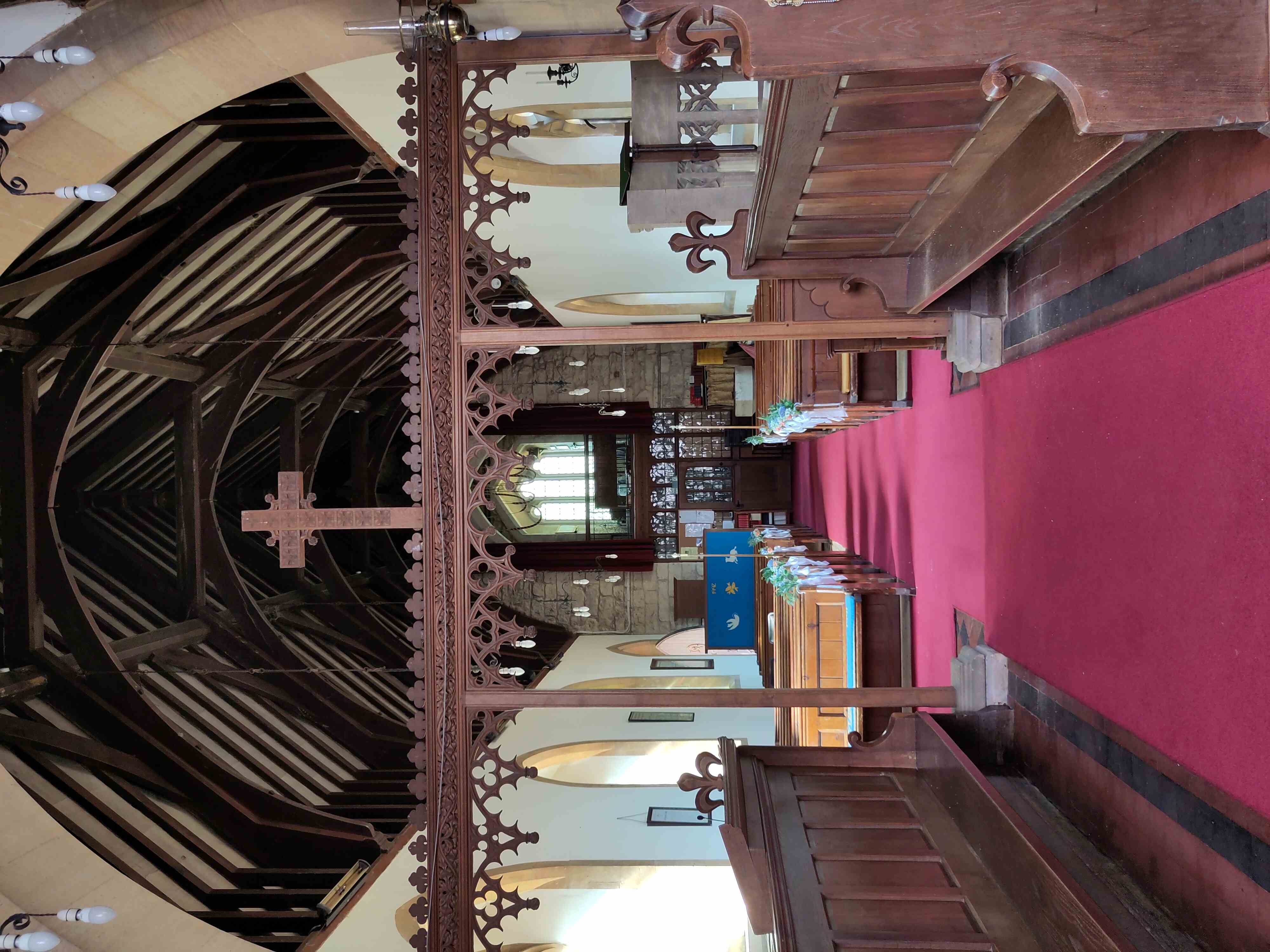
Look up: some of the roof timbers were saved from the old church. So was the stone font with octagonal bowl, carved wooden lid and tapering stem, and the oak treasury chest by the pulpit.
The pews were made for the restored church: “yellow deal” in the nave, “English oak” in the chancel. Six pews in the northeast corner had shorter legroom for children! One remains.
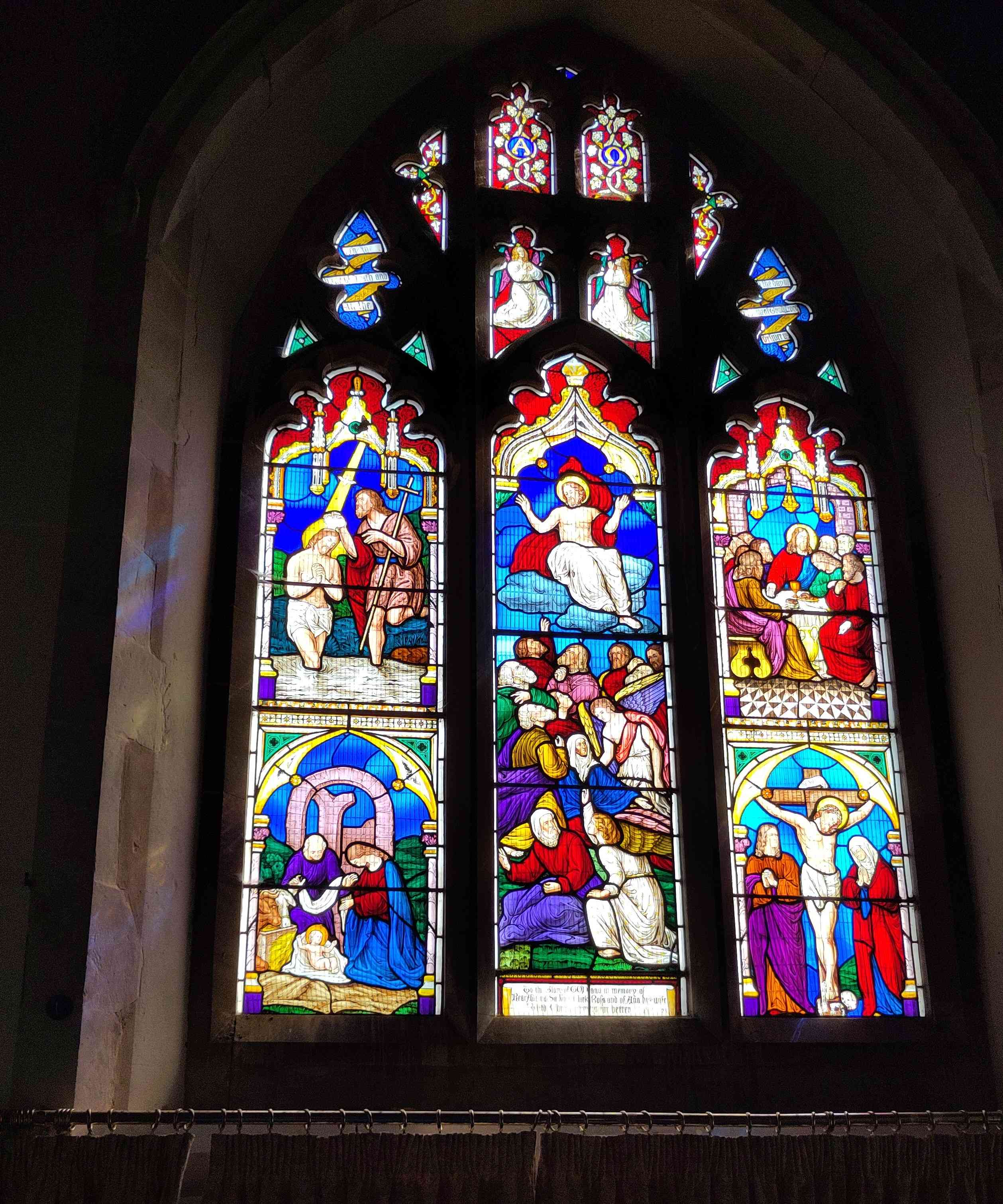
Aston Abbotts’ most distinguished resident, Rear Admiral Sir James Clark Ross, is commemorated in the east window. Sir James was a polar explorer (and poster boy), who discovered the north magnetic pole and the Great Ice Barrier in the Antarctic. He died in Aston Abbotts in 1862.
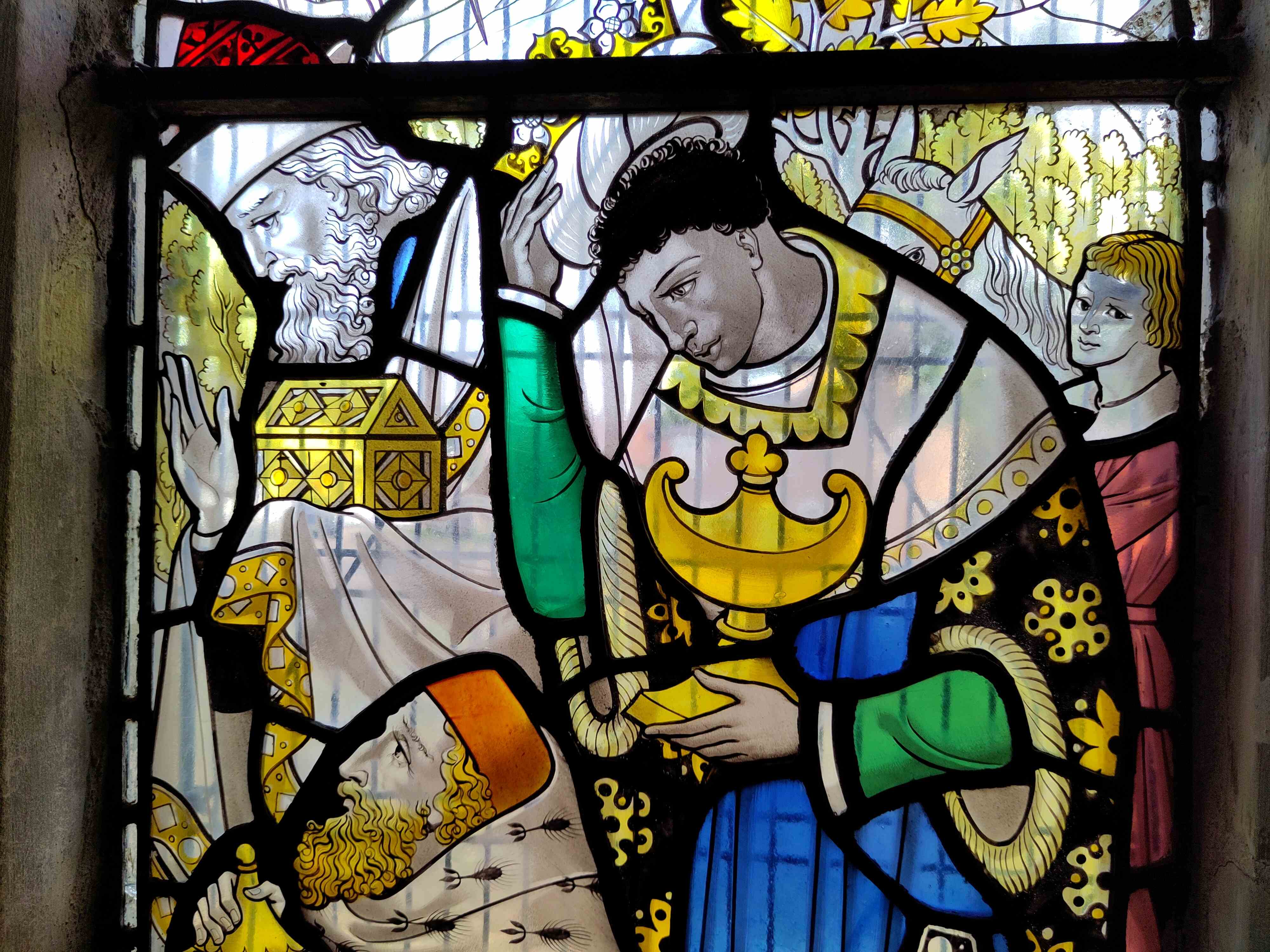
Do not miss the charming stained glass windows either side of the altar (1937). The oak panelled nave screen was put up in 1909. The vestry with organ chamber was added in 1890. The pipe organ by Bevington with one manual, foot pedals and seven stops was originally hand blown, later electrified to the relief of one of our older residents!
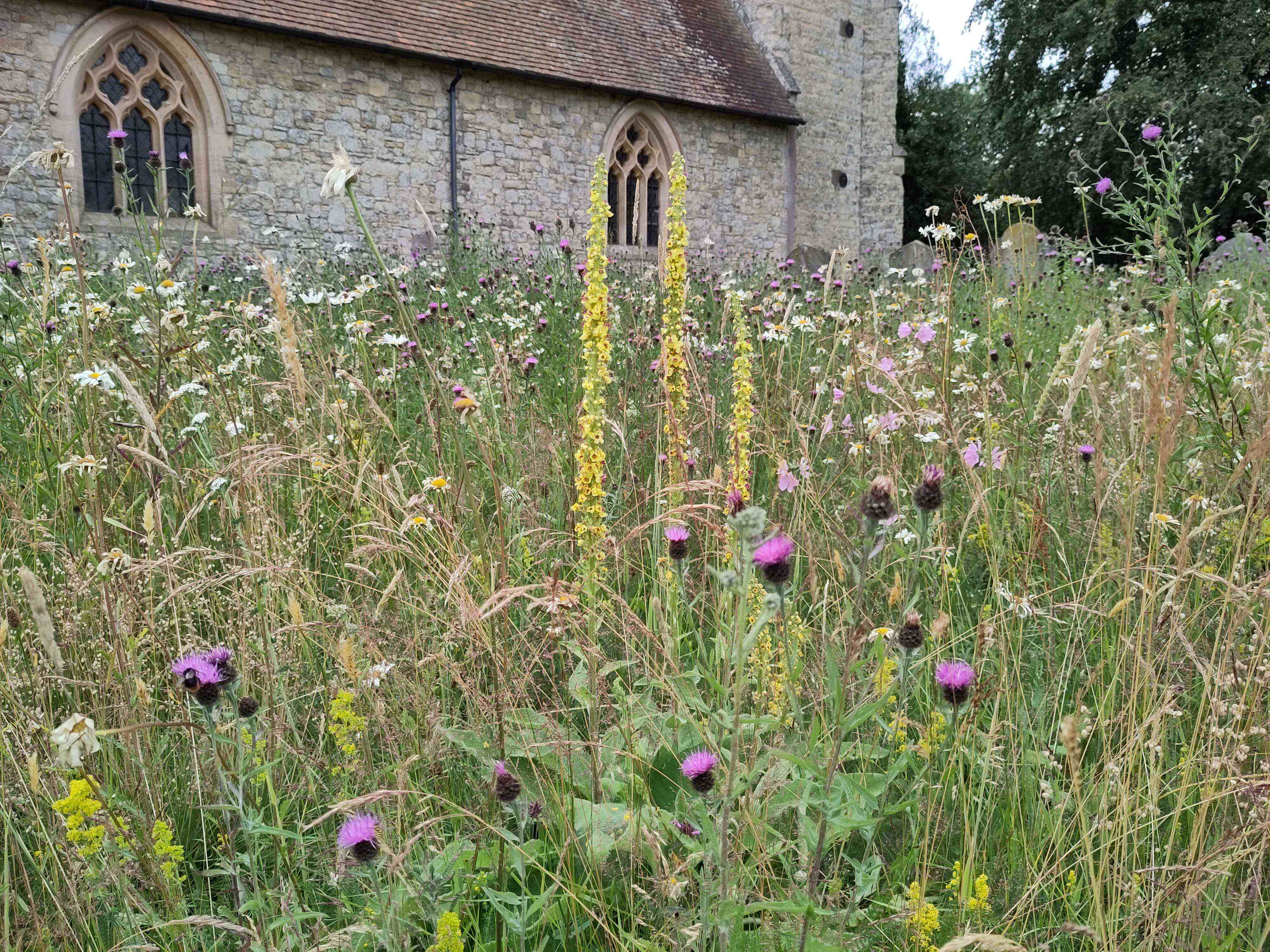
Outside, the visitor will find the Ross Tomb in the churchyard. Nearby is our wild area (at its best in spring and summer).
Wing, Buckinghamshire
A famous Anglo Saxon church with additions, All Saints stands in a large churchyard on the edge of the village, from which it is approached through a fine 20th century lychgate.
Stewkley, Buckinghamshire
St Michael's is one of the best preserved Norman parish churches in England, built around 1150-80.
Aylesbury, Buckinghamshire
The parish church of Buckinghamshire's county town, St Mary's is used for all ceremonial county services, dominating the old part of Aylesbury.