
Kirkby Stephen Parish Church
Kirkby Stephen, Cumbria
Entered from the Market Square through handsome cloisters built in 1810, the parish church stands on the site of a Saxon church and contains many ancient relics.

A medieval chapel of ease high in the Pennine dales, restored by the redoubtable Lady Anne Clifford (1663) and the burial place for ‘navvy’ families building this section of the Settle to Carlisle railway.
Outhgill, Cumbria
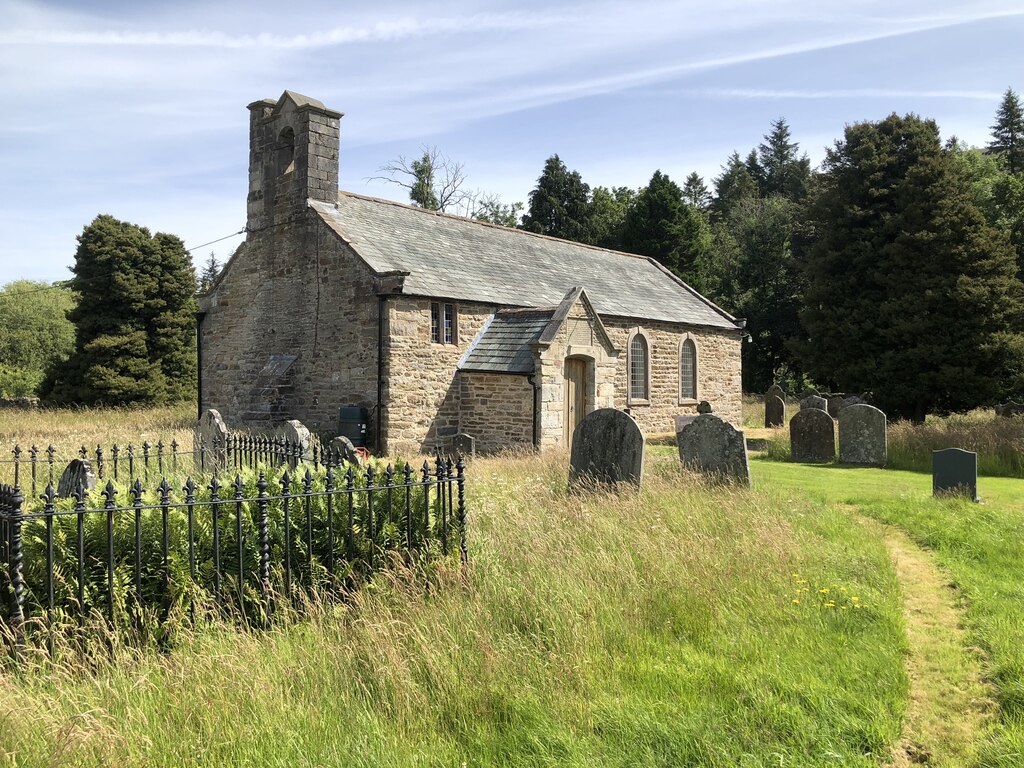
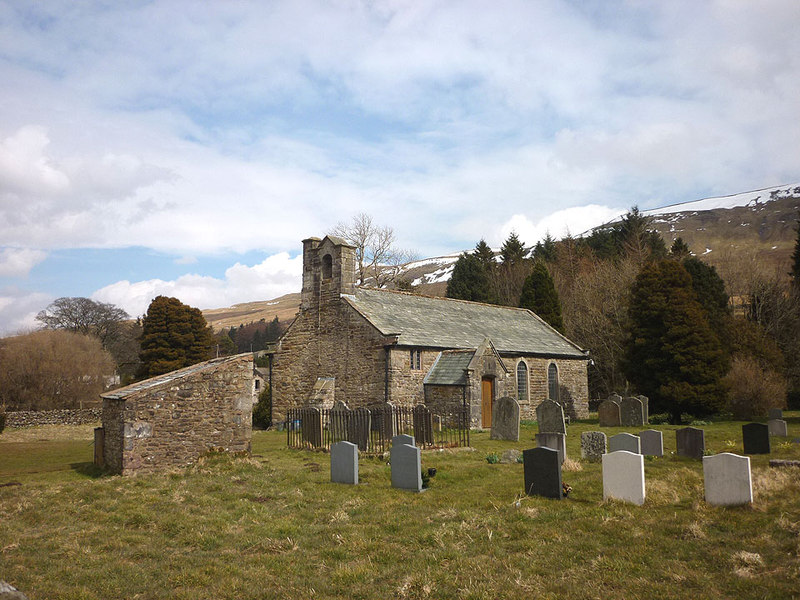
St Mary’s, Mallerstang sits at the headwaters of the river Eden, in Westmorland’s highest and most rugged Pennine dale. It was built as a medieval chapel of ease by the Clifford family for their feudal tenants in this most mountainous part of the large parish of Kirkby Stephen.
For at least fifteen generations (until the late 19th century), the church was maintained through communal subscription – paid by families on farmsteads first settled by Norse Vikings. A gift of Clifford land paid for a clerk to read services and, for over two centuries until the 1870s, the children of the valley were taught their letters and sums in a small schoolroom inside the church. Between the late 1800s and the 1950s, St Mary’s was a parish church with its own vicar before, once more, becoming administered from Kirkby Stephen, five miles down the valley.
The original stone chapel was simpler, with low eves and mullioned windows, before being refurbished and re-endowed by Lady Anne Clifford (1663). Prior to 1700, baptisms, weddings and funerals took place in Kirkby Stephen; thereafter, the chapel acquired to right hold these services locally.
The church is always open and services are held fortnightly. Entering the churchyard, visitors (including walkers following Lady Anne’s Way) see the valley, the Settle-Carlisle railway and Wild Boar Fell laid out before them. A churchyard memorial stone commemorates the ‘navvies’ who died during the construction of the railway and lie buried here in unmarked graves.
To this rugged scene the church itself brings dignified Georgian features – its south windows and its font – while elsewhere retaining earlier, mullioned windows. Inside, the atmosphere is intimate and simple. Clifford descendants provided the timber porch, vestry and pews (1800s); the chancel (Great War era) is dignified; there is good 1920s stained-glass by Abbott & Co. of Lancaster; and lively embroidered kneelers (1970s) depict the valley scene.
As visitors leave the church they are watched over, from the belfry, by the elegant outline of an ancient bell. Cast before the year 1299 and refurbished in 2026, it is one of the three oldest in Cumbria still in ringing order.
Kirkby Stephen, Cumbria
Entered from the Market Square through handsome cloisters built in 1810, the parish church stands on the site of a Saxon church and contains many ancient relics.
Garsdale, Cumbria
It is thought that two stone mason brothers built this primitive Methodist chapel and the adjoining 3 cottages in 1841, in what is now known as The Street.
Garsdale Head, Cumbria
Mount Zion Chapel was opened in 1876, the same year in which the Midland Railway Company opened the famous Settle to Carlisle railway, serving the local community of railway employees and farmers.