
Sometimes, unexpected issues can hit your church. Repair bills in the tens or hundreds of thousands can ignite panic and stress for the people who care for your building. This was the feeling at Weston Green All Saints, when they discovered that it would cost almost £100,000 to carry out vital repairs. But a year later, the team had reached their goal and saved the church. This is how it unfolded.
Setting up the fundraising project
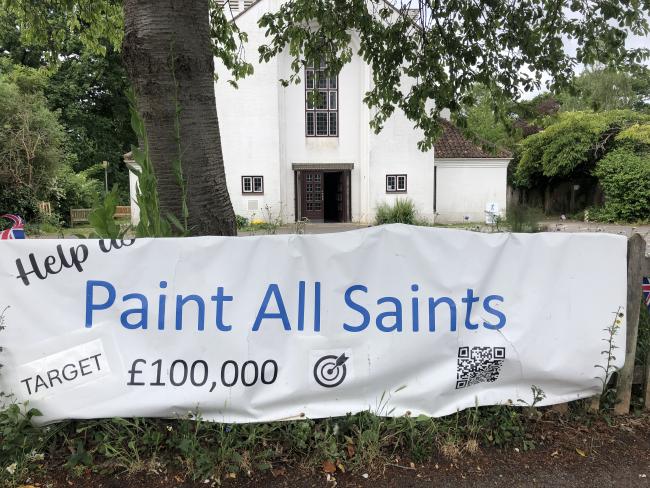
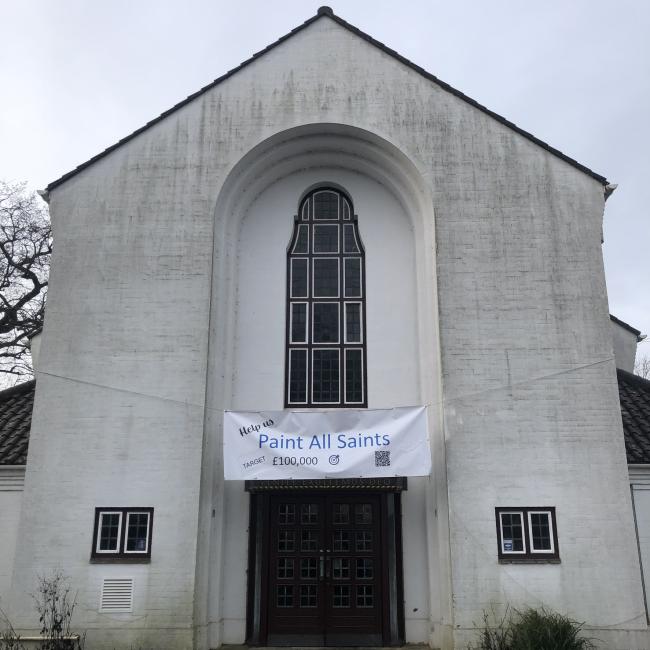
All Saints Church in Weston Green, Surrey, is a Grade II Listed building known locally as ‘the White Church next to the pond’. It was constructed in the 1930s, but after nearly a century of use, the fabric of the church was in serious need of restoration. The costs were estimated at around £100,000 – a big figure that the church would need to raise itself.
Church Warden Alison Cruthers put herself forward to lead the fundraising efforts, as part of a team of ten volunteers.
“It felt a bit overwhelming to begin with. We needed to raise a lot of money, so we had to manage our expectations. We certainly didn’t expect to raise all of the funds within a year,” says Alison.
“Two of us attended a National Churches Trust training session early on in the campaign. It was really useful and gave us the confidence to go ahead with some of the things we’d wanted to do.
“One of the things we learnt from the training was that people like donating to campaigns that have some momentum behind them. People prefer to give when the fundraising thermometer is near the top, so you need to get some money in the bank.
“With that in mind, we started by approaching the congregation – about sixty people on average.”
Engaging local people: how events helped
While the congregation made a great start, it was clear that All Saints would have to cast its net wider, so engaging others in the local community was the next logical step.
“We set ourselves the goal of putting on an event every month,” explains Alison.
“These were really varied, we did concerts, a flower festival, expanded our annual quiz and even managed to get the BBC show Any Questions to record an episode at the church. This meant we could appeal to a range of people with different interests.
“One of the key things was to make sure that planning each event wasn’t too time-costly, as we knew we’d have to organise quite a few of them.
“We promoted them locally, through social media, press and leaflets. For example, we sent Christmas cards to the whole parish, with a letter explaining the repair work and the funding we needed.
“But the most impactful thing was just word-of-mouth. People from the congregation told family and friends about what we were doing, and the effect was brilliant.”
Putting the church at the centre of the appeal
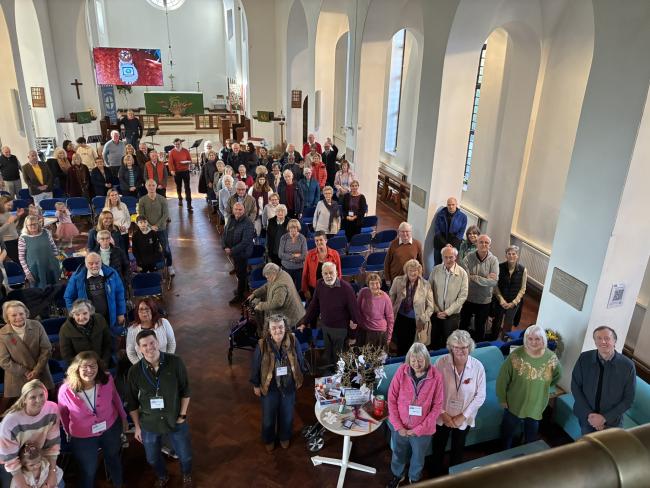
Through all of this work, the team found that the local community really valued the church, even if they weren’t part of the congregation.
“The church is really visible in the local community, so we wanted to keep it in people's minds throughout the campaign,” says Alison.
“We're fortunate to have an archive in the church, so we used that for one of the events; – a showcase of these old photographs.”
“Every event had new people attending. It was amazing to see that people cared so much. Even if they’re not worshippers, they value having this building here. And that was one of the most rewarding parts of this project.”
This love for the church not only encouraged the team, but it also had a significant effect on the fundraising.
“After a couple of events, it still felt like we were facing a big challenge. Each brought in about £1,000, so we were a long way from our target of £100,000,” explains Alison.
“But then we received a couple of large donations from local people. It was really unexpected, but it made a big difference and gave our team morale a boost, too.”
You never know what meaning your church might hold to different people in your community. It might be the highlight of somebody’s daily walk, hold a special memory for them or just act as a reassuring presence in their community. So, it’s important to engage people from all walks of life with your campaign, especially in the local area. You never know where your next donation is going to come from.
Asking for help
You'll always rely on support from others when running a fundraising campaign. But don’t forget that organisations, as well as individuals, can help you.
At Weston Green All Saints, the team worked with guest choirs and music groups who were happy to support the cause. This helped to attract new audiences, while also keeping things fresh for regulars.
Grant funding also made a big difference to the repair pot. The church was able to benefit by reclaiming their VAT costs through Listed Places of Worship Grant Scheme. While this scheme has now come to an end, there are other funders that may still be able to help your project. All Saints Church was able to secure a total of £40,000 in grants from The National Lottery Heritage Fund and the Community Infrastructure Levy.
“When we approached The National Lottery Heritage Fund, they were impressed with what we’d already done engaging the community. Thanks to all of that hard work, we were able to secure the maximum funding we were eligible for,” Alison shares.
The momentum that was built through a positive approach and small successes helped to secure this grant funding. What had begun as an overwhelming challenge for Alison and her team had turned into the possible.
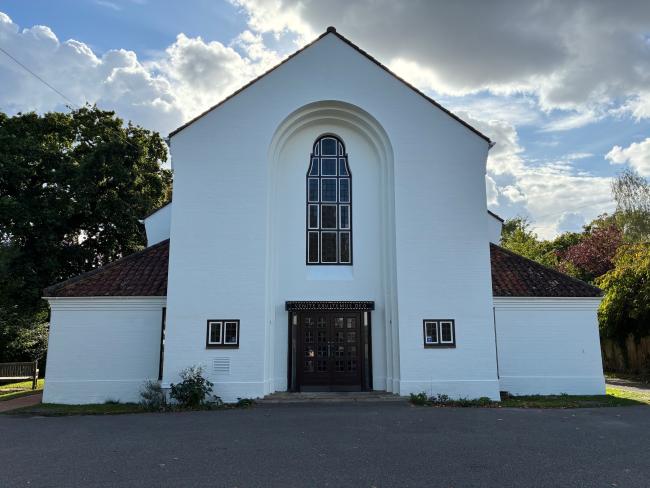
The work ended up costing £140,000 – more than was originally expected. But All Saints’ fantastic team of volunteers had raised the funding they needed in less than a year, through fundraising events and grant funding, enabling vital fabric repairs to take place.
“The church looks fantastic now,” says Alison.
“It’s hugely rewarding to see all of that work pay off. And by going through that process, we galvanised the community to really appreciate the church too.”
For Churches: Top tips for your place of worship
- Make sure your congregation is engaged with the project early on – these are likely to be not only your first donors, but the people who will be volunteering to help run events and get the word out about why your church is worth investing in. Make sure you thank them.
- Create a team to help manage the appeal and events – sharing the load means that the campaign will be more sustainable, which is necessary if it’s a large amount you need to fundraise for a prolonged period of time. It means you’re not relying on one person to manage everything, and your volunteers can have breaks and not be overwhelmed.
- Events are a great way to reach out to the local community – local people who don’t worship every week may still want to help, and an event invitation is a great way for them to discover the church and find out more about it. Let them know about your plans and how they can help. Don’t forget that word-of-mouth can make a big difference, so encourage your congregation to be active.
- Put the church at the centre of your fundraising campaign – your church might have more presence than you realise, so make sure it’s at the centre of your campaign. It might seem obvious that you’re fundraising for the church, but images and stories about the building can go a long way.
- Ask for help – think about ways that local organisations and businesses might be able to support your appeal and fundraising events. They might be willing to donate prizes for a raffle, volunteers to help at events, advertise your campaign and more, so it never hurts to ask. Similarly, grant funders are always on hand. Find out more about applying for National Churches Trust grants.
