St Albans Cathedral
St Albans, Hertfordshire
This is the oldest site of continuous Christian worship in Britain and stands over the place where Alban, Britains first saint, was buried after giving his life for his faith over 1700 years ago.

Possibly the earliest site of known Christian activity in the British Isles; art and architecture from across a millennium that has bourn witness to the faith of this area for millennia.
St Albans, Hertfordshire
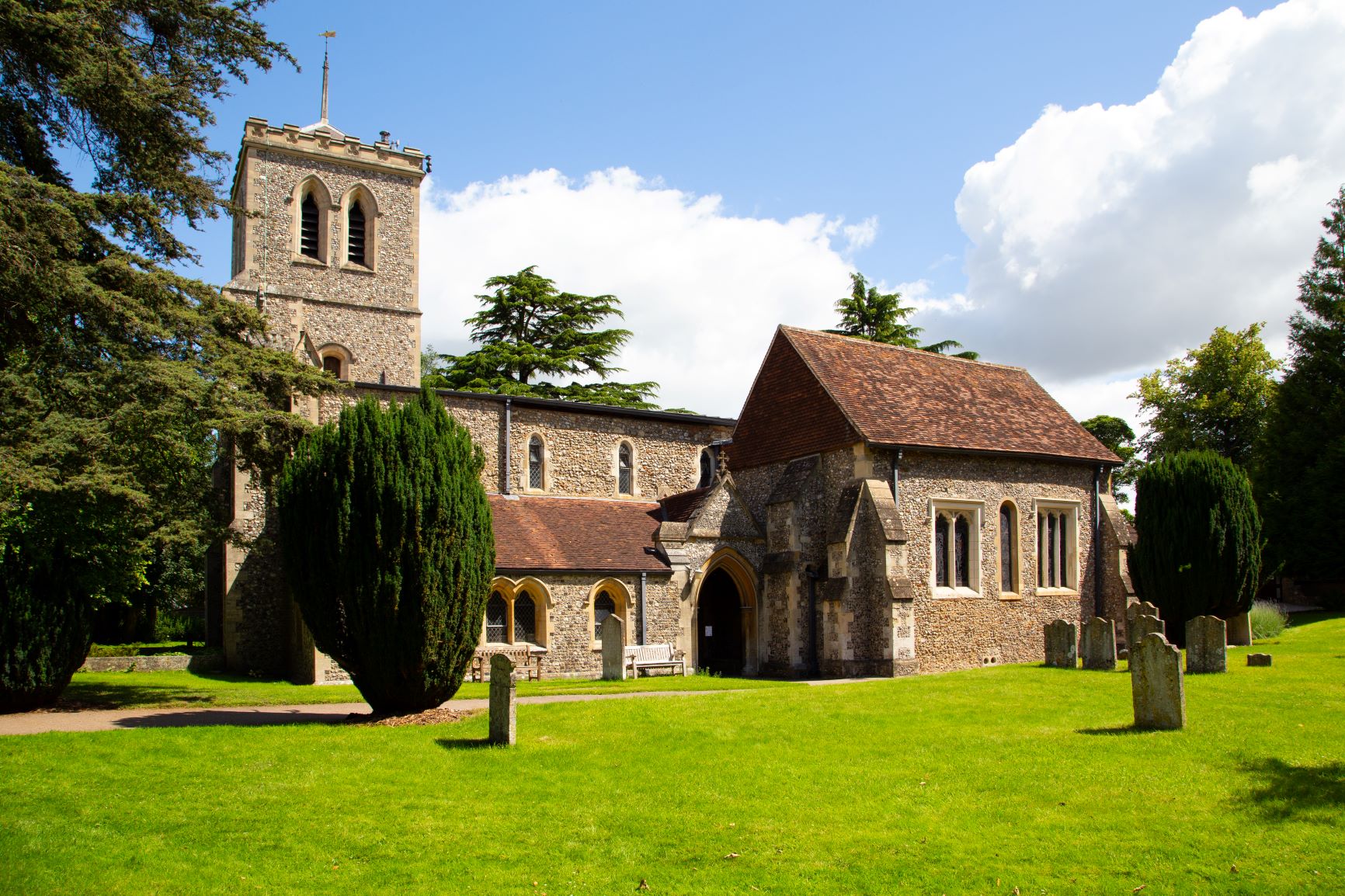
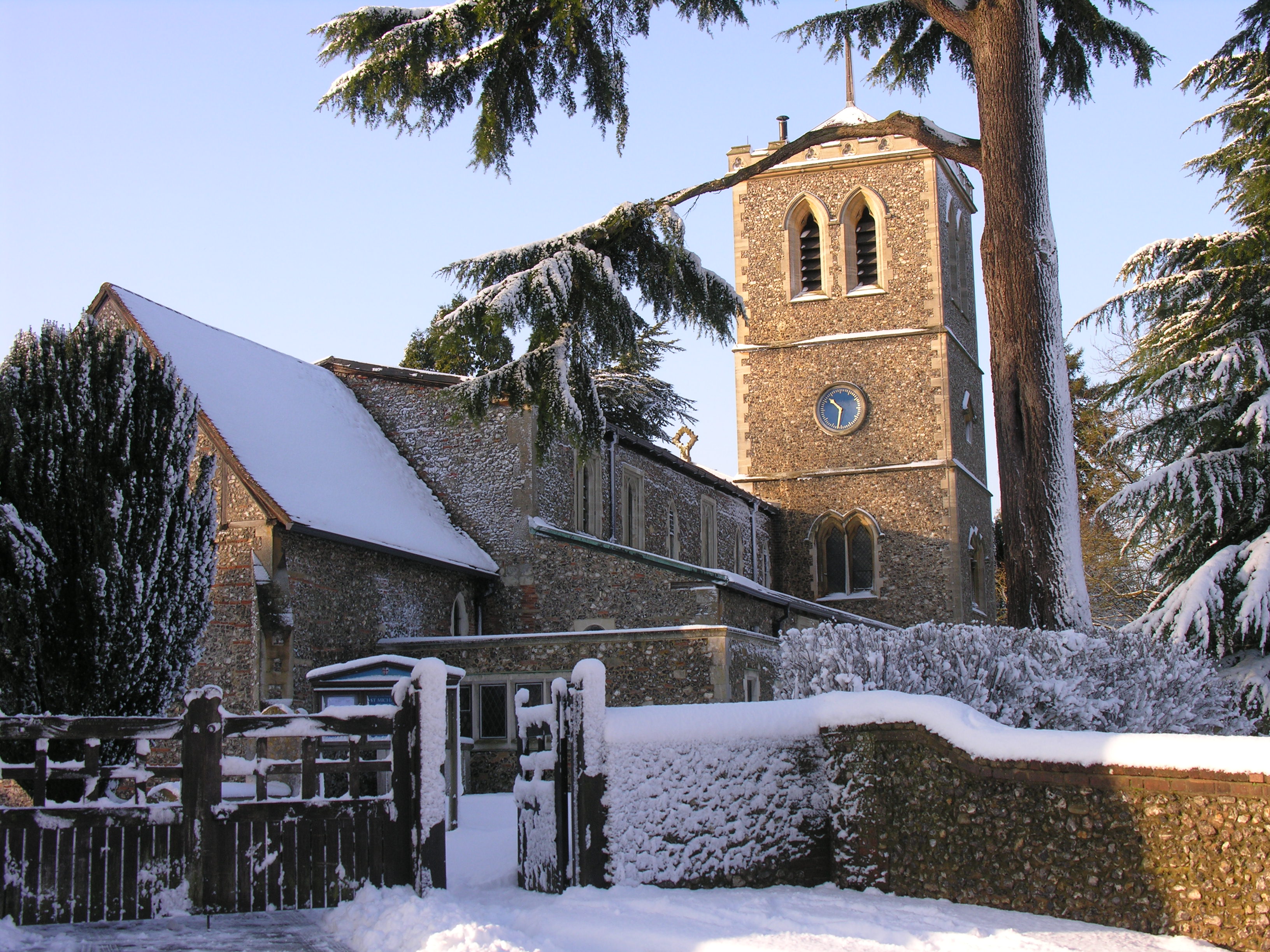
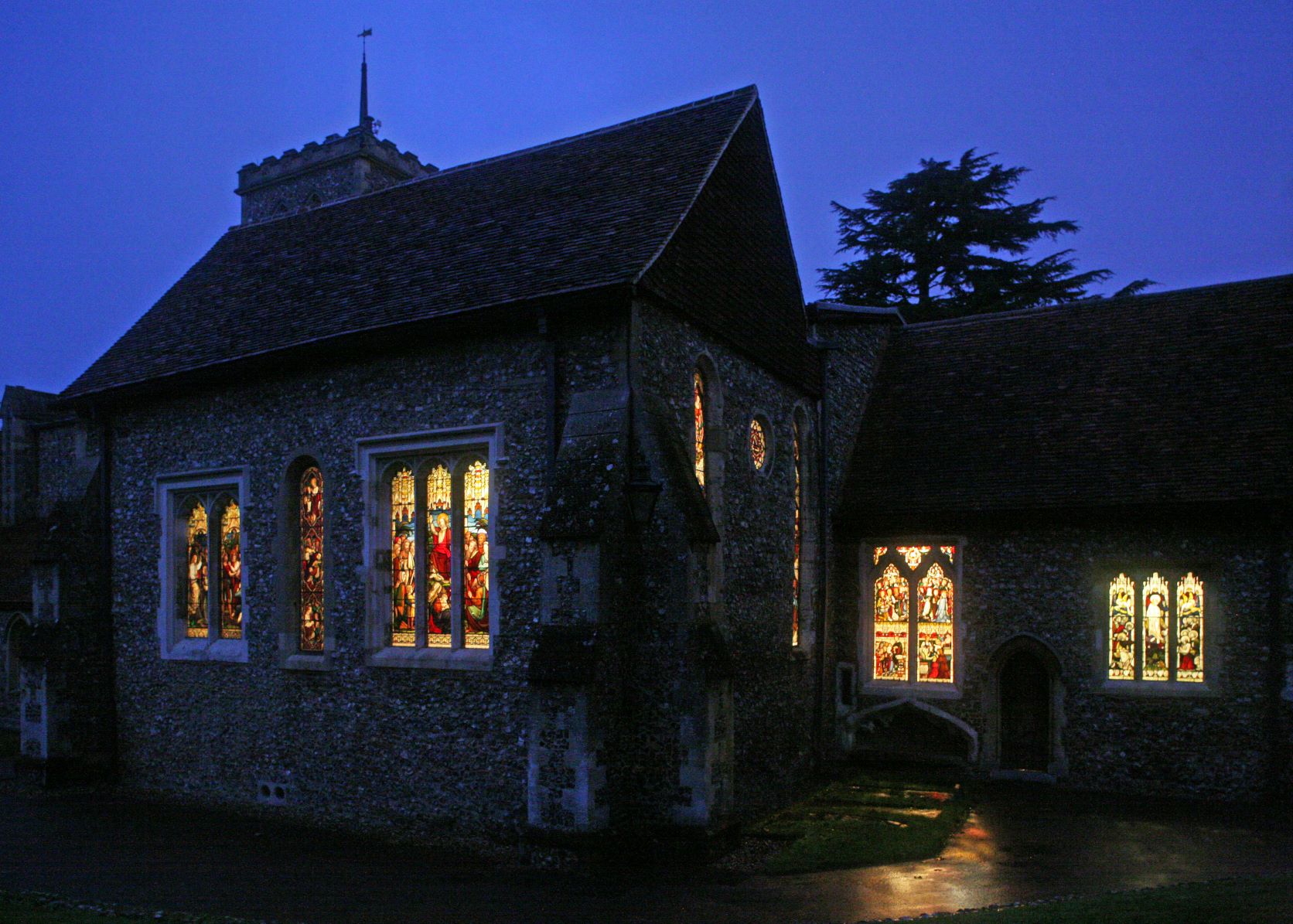
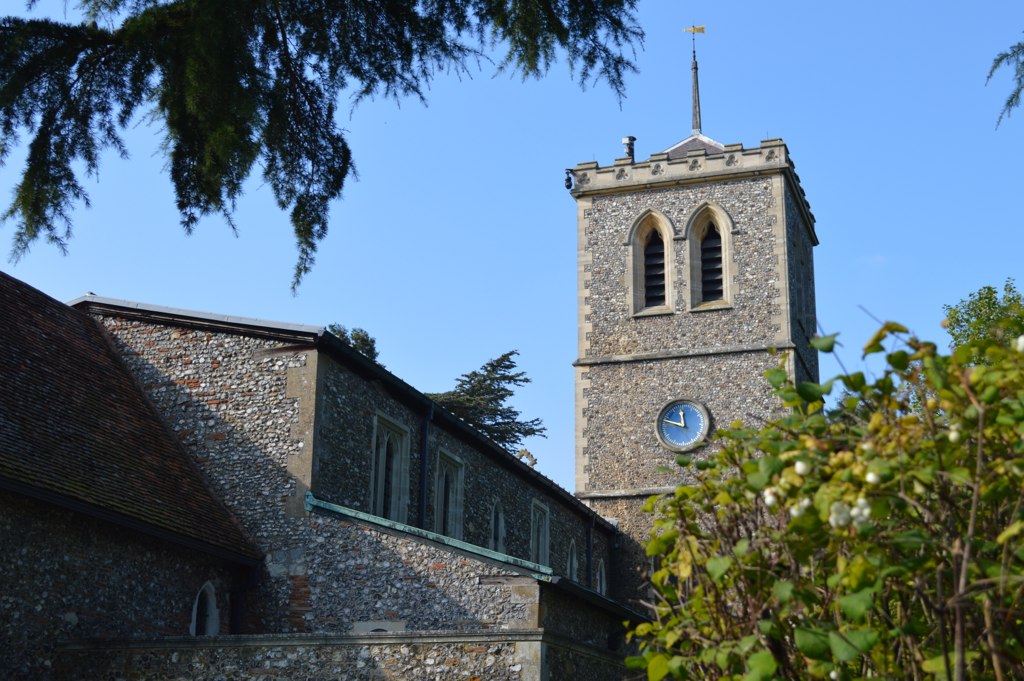
The present St Michael’s was built in the 10th century over the site of the basilica, the headquarters of the Roman town of Verulamium. St Alban lived within a quarter of a mile of the present church in Verulamium. It was probably here that Alban was tried for being a Christian before he was executed outside the town walls, perhaps where St Albans Abbey now stands. There are no remains of the first Christian buildings on the site, but some time in the 10th century the Anglo-Saxons raised a more enduring structure.
They reused bricks from the ruined Roman town which can still be seen in the arches of the original windows and among the external masonry. The church was later expanded as aisles were added, and the roof was lifted to increase levels of light. Despite these modifications, St Michael’s remains the most extant Anglo-Saxon building in Hertfordshire.
At the Reformation, the right to appoint the vicar of St Michael’s passed from the Abbey to the Bacon family, owners of Gorhambury, the estate immediately to the west of St Albans. Francis Bacon, the famous philosopher and statesman (died 1626), was buried in the church; there is a magnificent statue to him at the left of the high altar. The pulpit, plus the communion table under the arch (both c1600), are thought to have come from Bacon’s Old Gorhambury House.
Highlights include:
St Albans, Hertfordshire
This is the oldest site of continuous Christian worship in Britain and stands over the place where Alban, Britains first saint, was buried after giving his life for his faith over 1700 years ago.
St Albans, Hertfordshire
St Saviour's is an inclusive parish church in the Catholic tradition of the Church of England, and part of the Diocese of St Albans.
Childwick, Hertfordshire
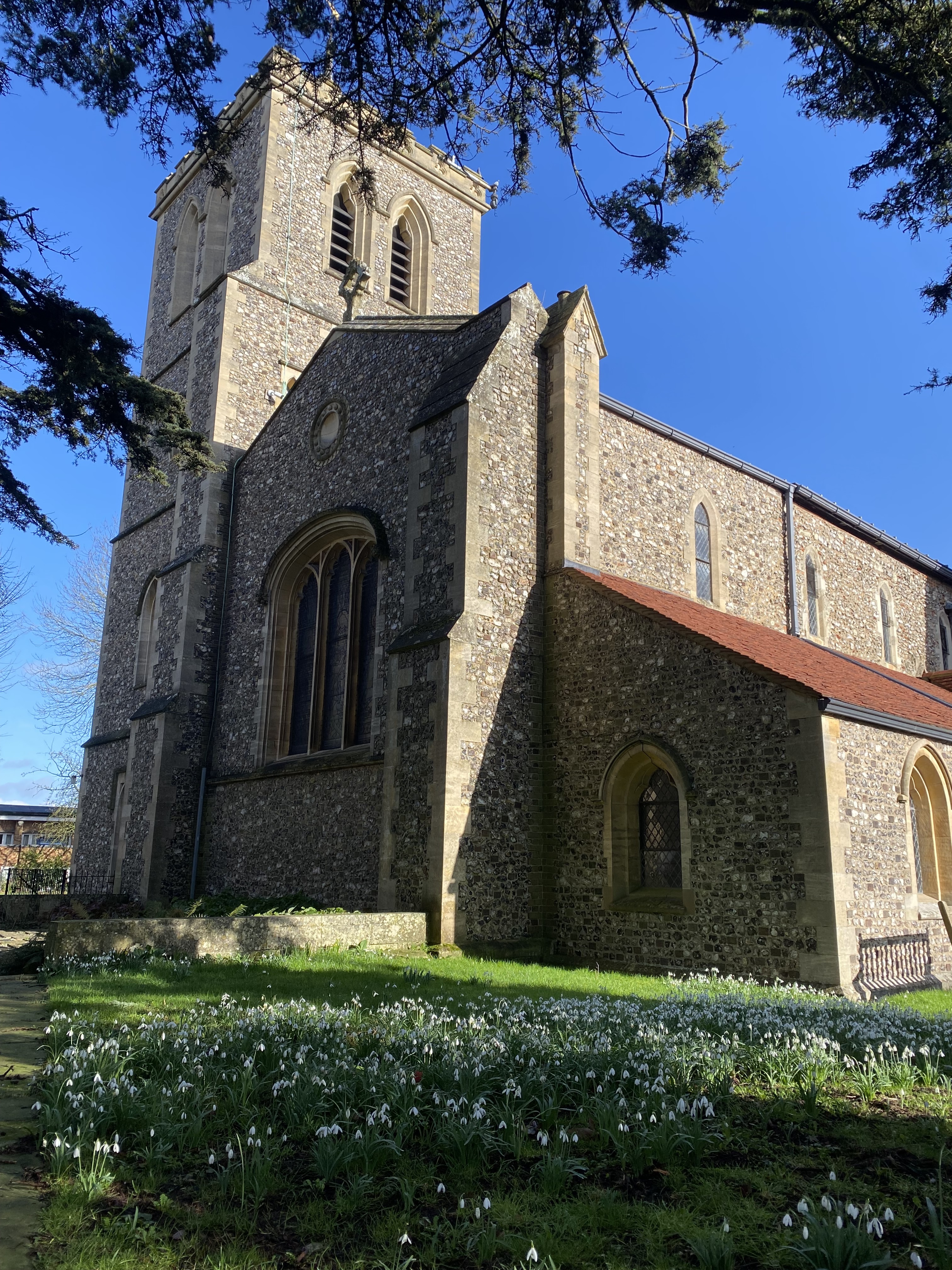
A small and beautiful George Gilbert Scott church in a serene hamlet just outside St Albans.