
St John the Baptist
Kinlet, Shropshire
Kinlet church no longer has a village around it, but stands in a rather remote location in the grounds of Kinlet Hall.

A complete Norman church in the Rea Valley, at the heart of a rural south Shropshire farming community.
Neen Savage, Shropshire
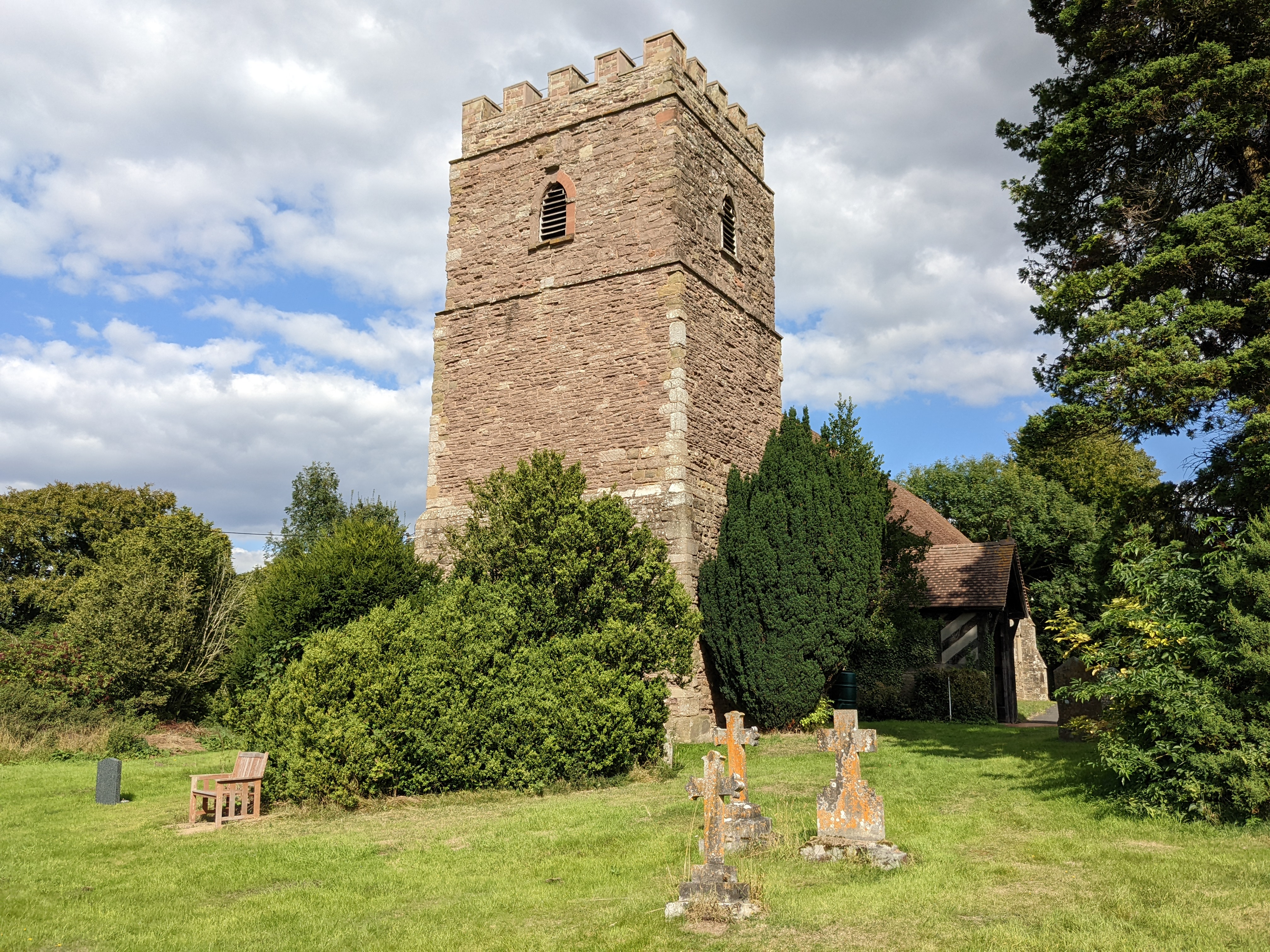
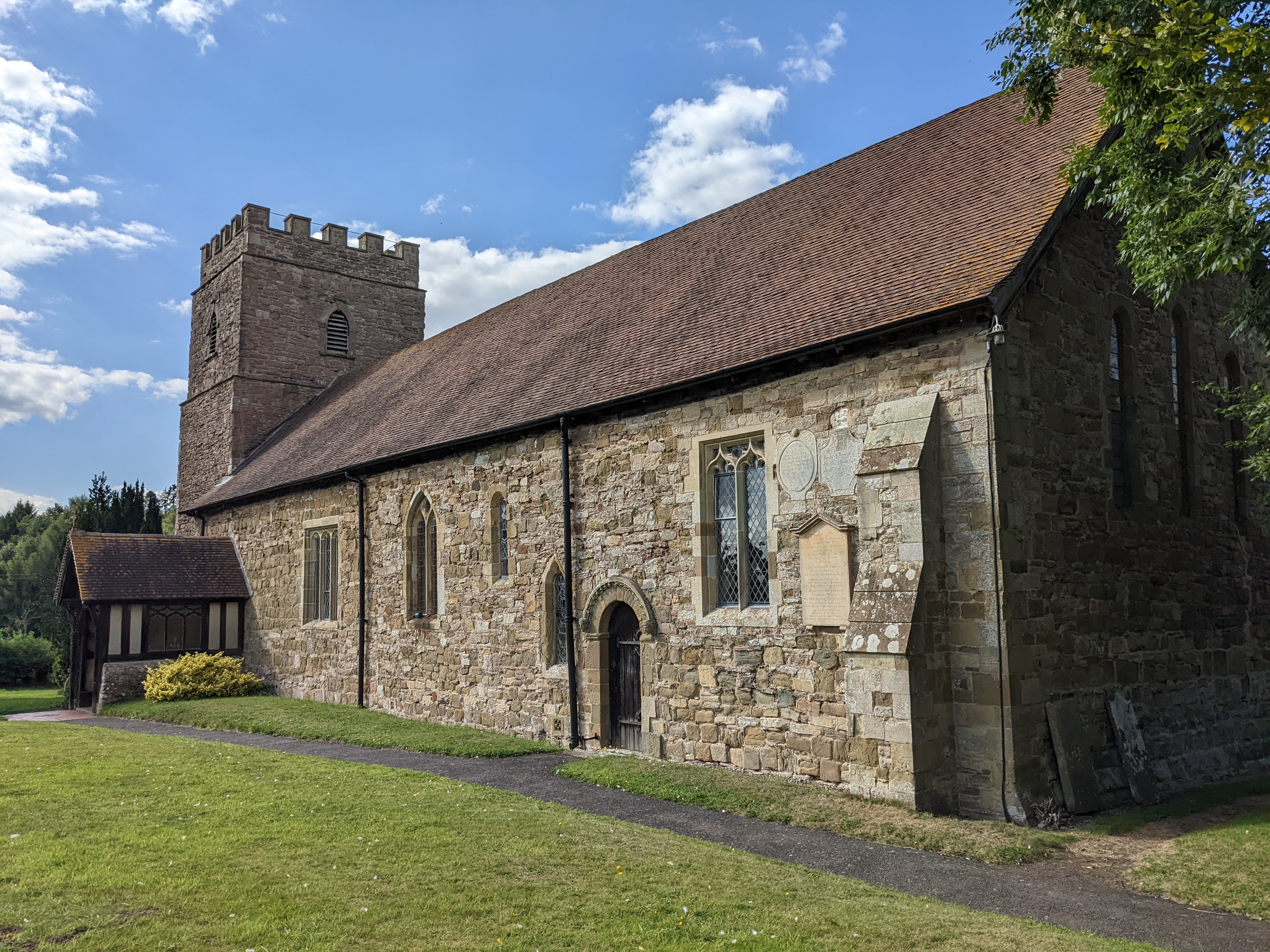
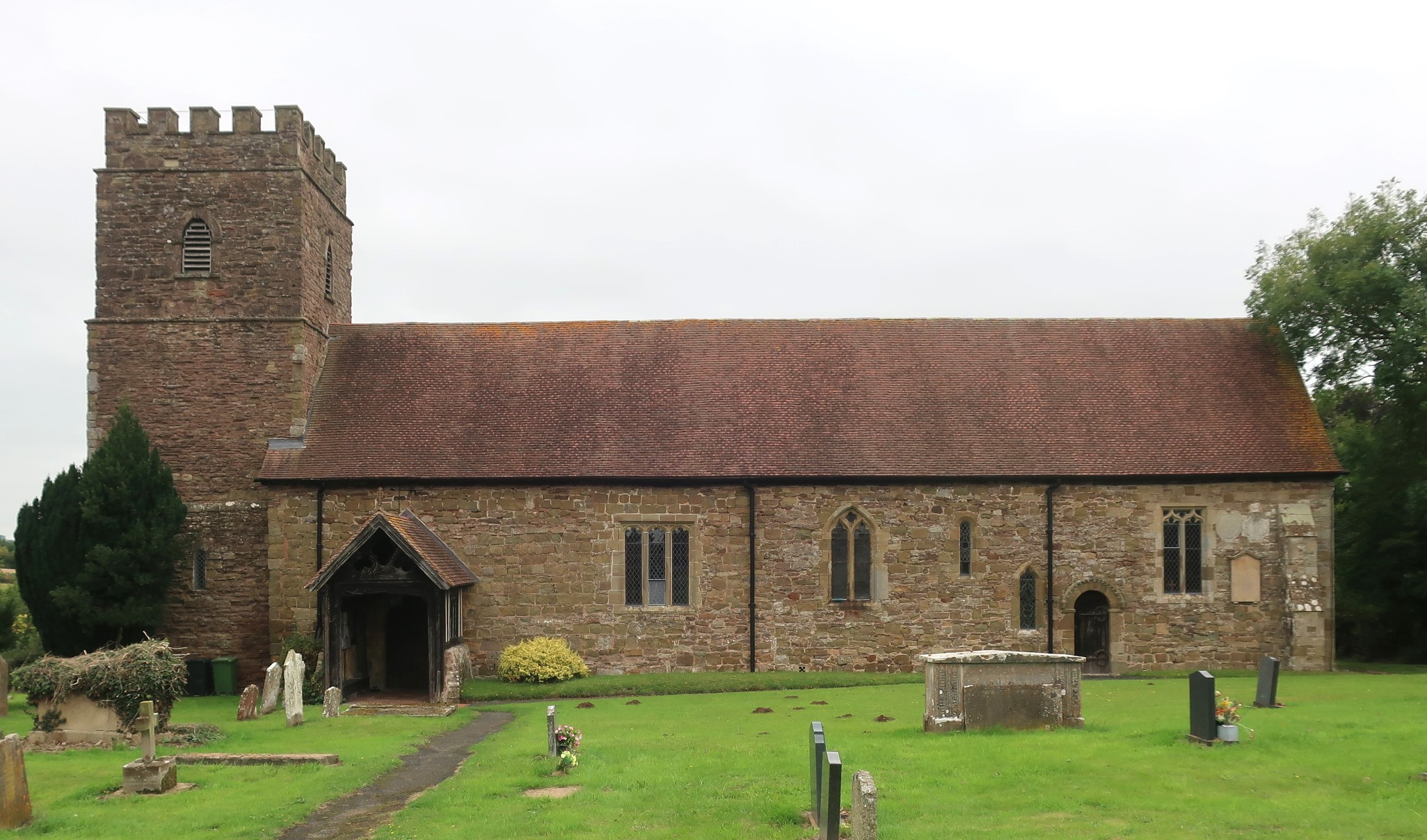
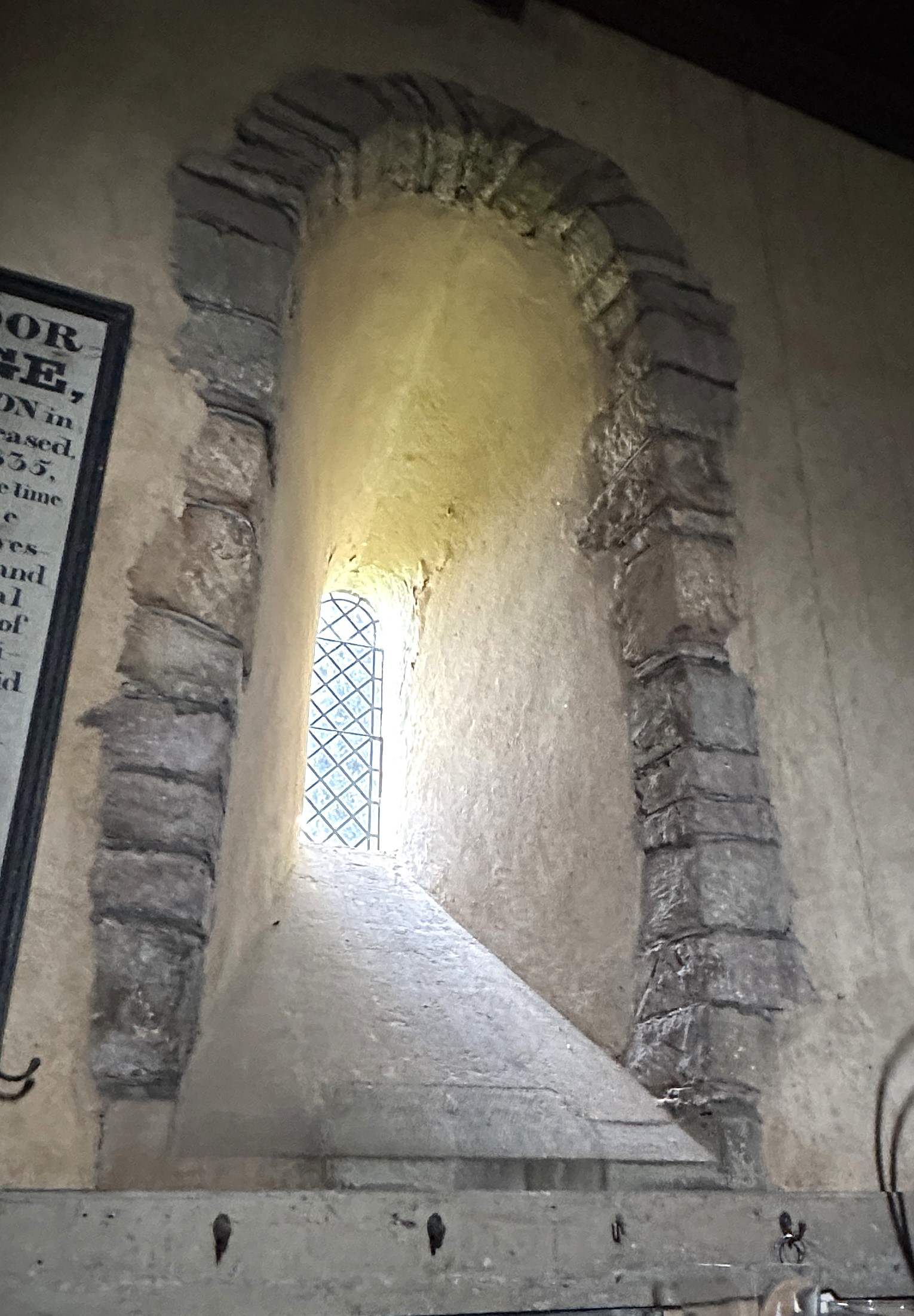
St Mary’s stands inside a much older oval enclosure that can still clearly be seen in the landscape, so it is likely that the Normans reused an existing site that was already sacred. They built it of local stone in three phases, but they happened so rapidly that most church experts say we might as well regard it as being built ‘all as one’. For some reason that we don’t yet understand, they gave it an exceptionally long nave, and like all churches at the time it was rendered and whitewashed to protect the stone and make it appear ‘luminious’.
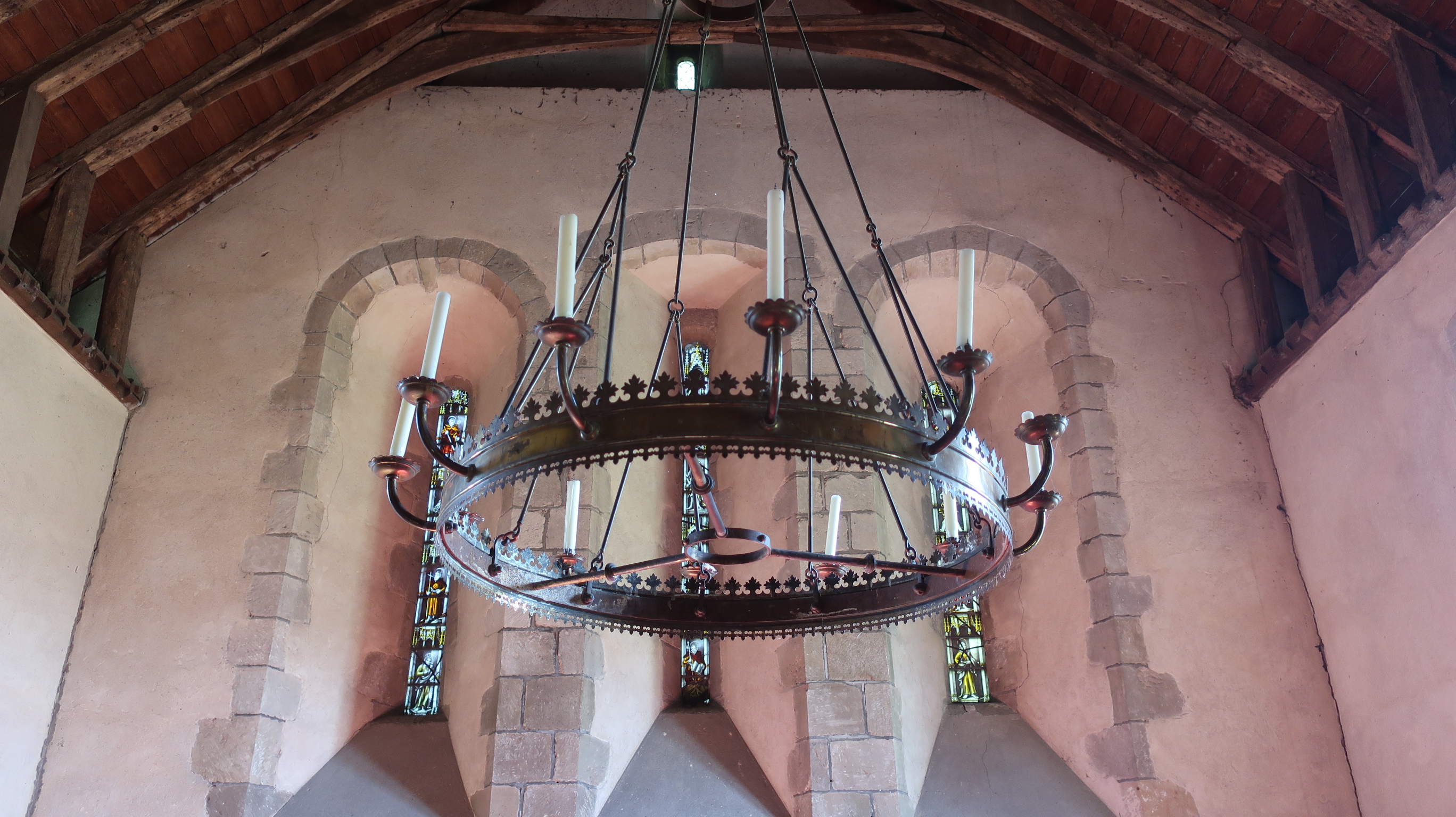
In 1179 this gleaming white church was gifted to Wigmore Abbey, who added the fine 12th century east triplet window and the priest’s door with crocus hoodmould to the chancel. Apart from some tinkering with the windows and a Tudor porch St Mary’s still remains largely unchanged from the Norman original.
13th century wool wealth funded the one major addition, a timber spire, one of a number that sprouted in the surrounding area. This met a dramatic end when it was struck by what the Victorians called ‘electric fluid’ – lightning – and burnt down, melting the bells and leaving the building once again looking much like the Normans intended.
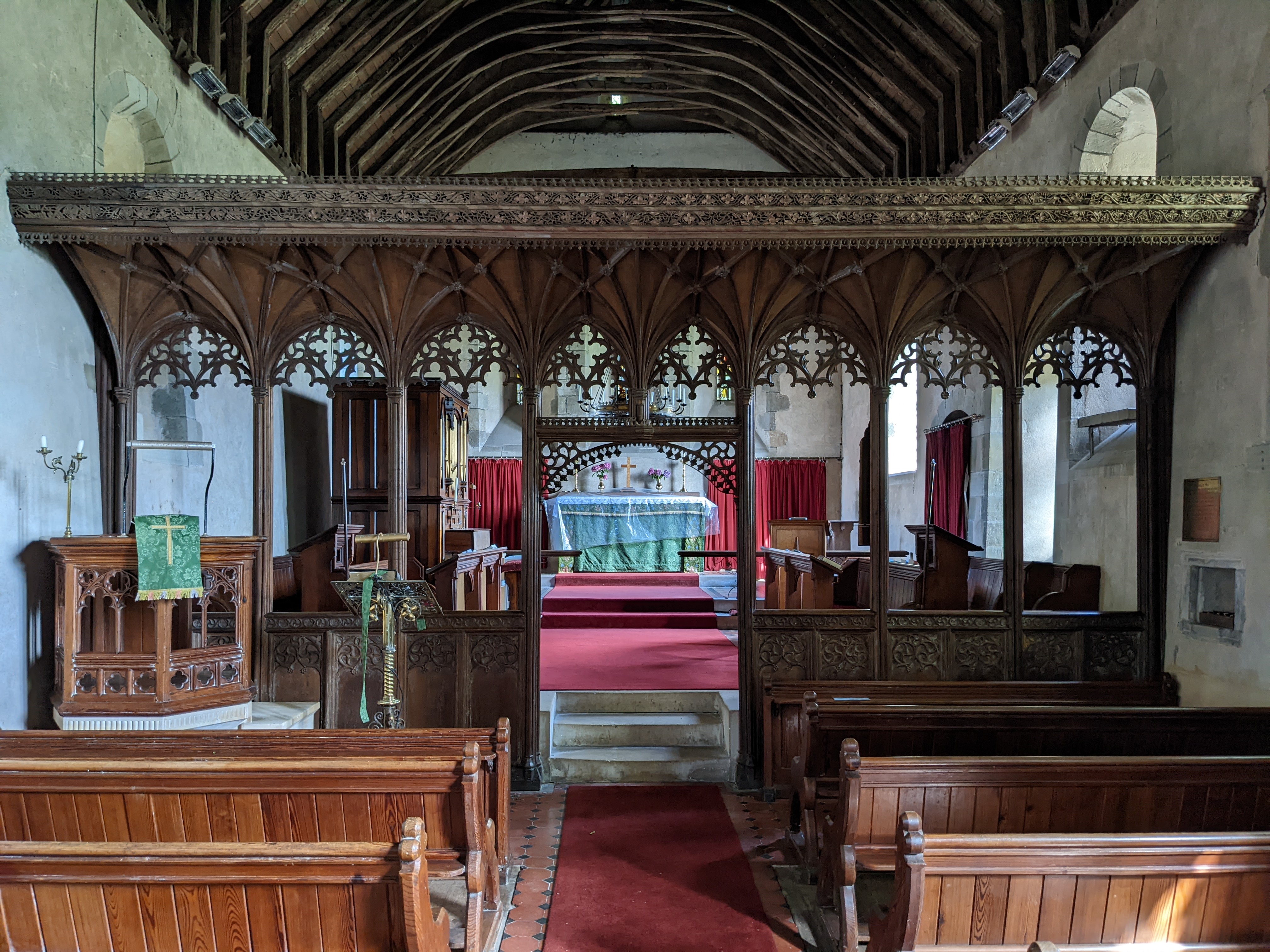
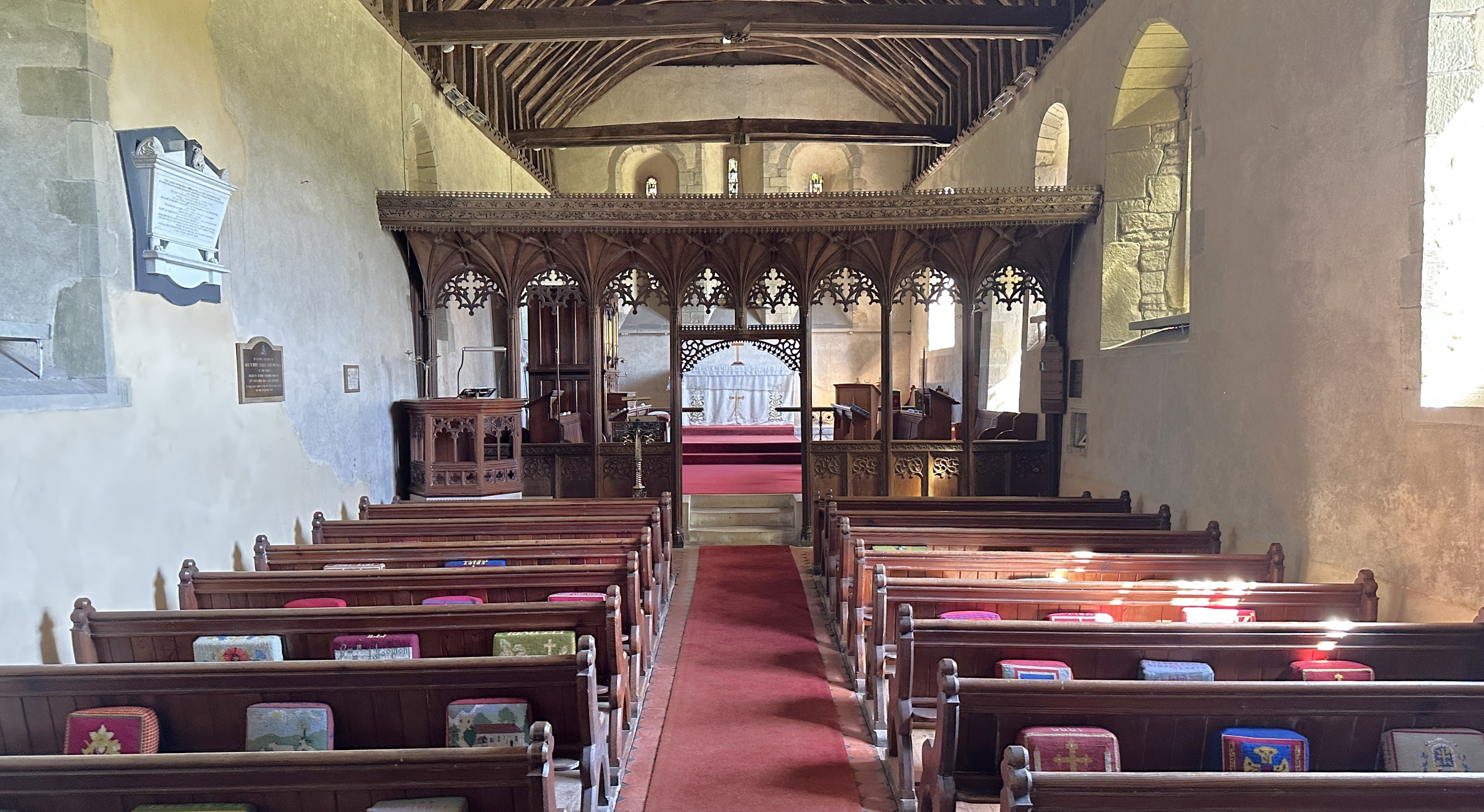
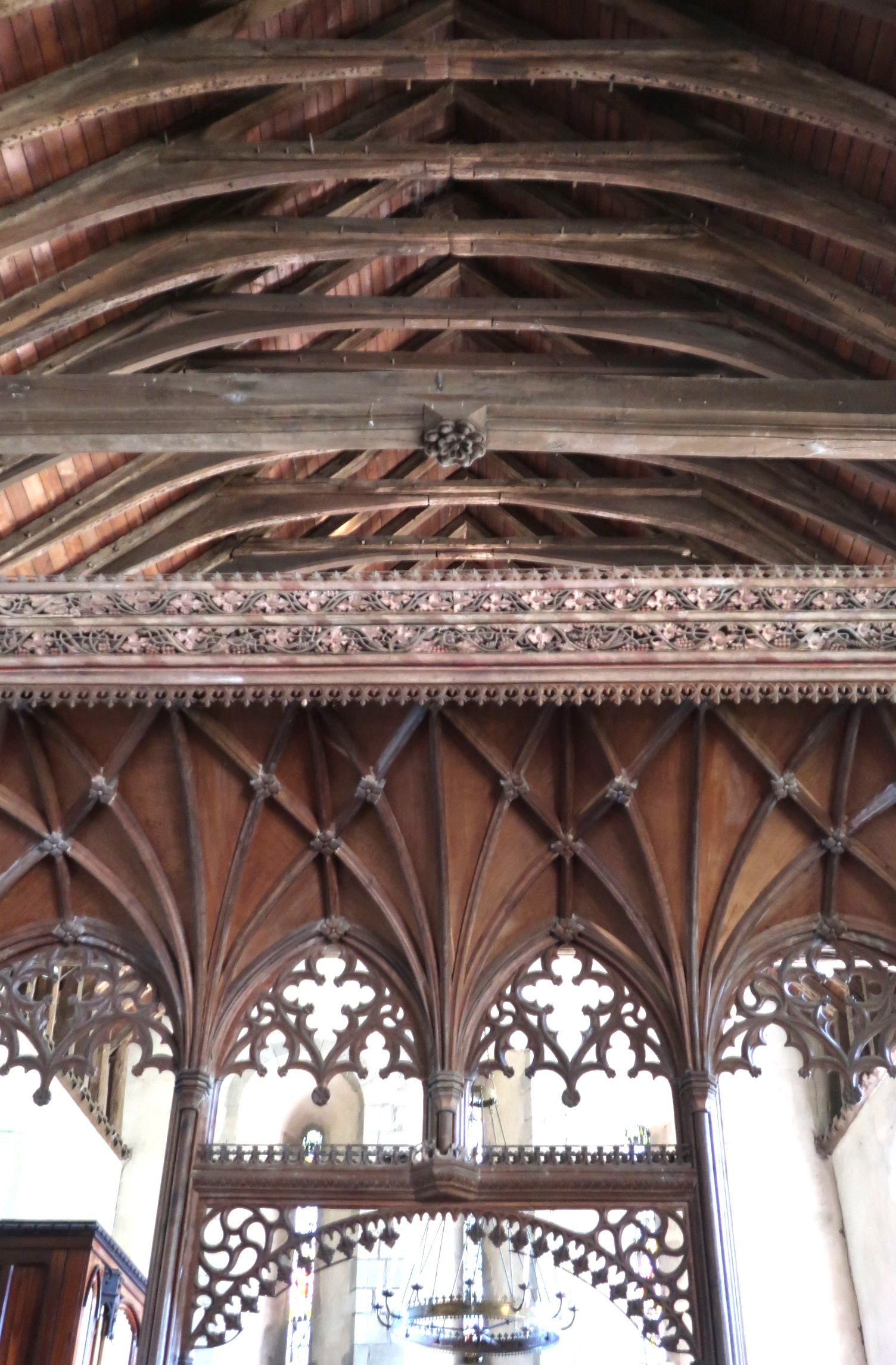
A mix of fire repeairs and the Victorian Restoration saw the white render removed from the walls and the fine 16th century screen, which had been ‘broken into pieces by persons who came to extinguish the flames’, repaired and put back where it belonged. Commemorative grave slabs in the chancel were covered with a fine replica medieval tile pavement. This features medieval beasts, foliage and latin texts, and is by Godwin of Lugwardine, who designed them for the restoration of St David’s Cathedral. Quarry tiles engraved with initials and a date indicate the location of the now hidden grave slabs, though we don’t always know to whom they belong.
The bells that melted in the fire were replaced by a new pair, a large tenor with a fine tone and a small Sanctus bell, cast by Rudhall of Gloucester in 1829.
Kinlet, Shropshire
Kinlet church no longer has a village around it, but stands in a rather remote location in the grounds of Kinlet Hall.
Stottesdon, Shropshire
A hidden gem, off the beaten track and a sacred space for almost 1000 years.
Doddington, Shropshire
St John's church, Doddington sits at around 1000ft on the side of Titterstone Clee Hill, with stunning views to Worcestershire and Wales.