
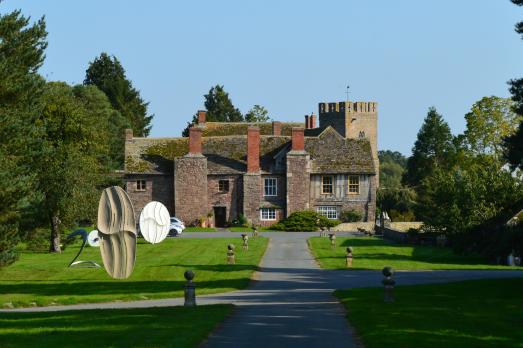
St Mary
Monnington on Wye, Herefordshire | HR4 7NL
Unchanged since its rebuilding in 1679; an oasis of tranquillity in a stunning location.
We have supported this church
Search for a fascinating place to visit, or see the variety of churches, chapels and meeting houses we have supported.
Monnington on Wye, Herefordshire | HR4 7NL
Unchanged since its rebuilding in 1679; an oasis of tranquillity in a stunning location.
We have supported this church
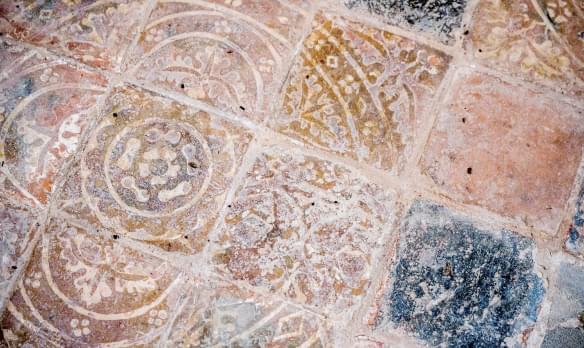
Little Dewchurch, Herefordshire | HR2 6PN
Beautifully set in a churchyard which is a conservation area and contains the remains of a medieval preaching cross, St David's has a 14th century tower.
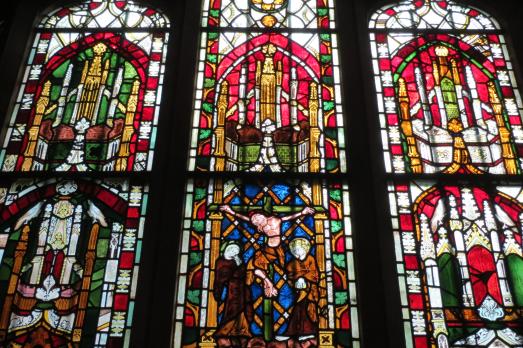
Eaton Bishop, Herefordshire | HR2 9QD
Dating back to the Norman Conquest, our church has one of the oldest examples of a medieval stained glass window in the country, dating back to the year circa 1320.
Marden, Wiltshire | SN10 3PF
The church is placed on a small rise.
We have supported this church
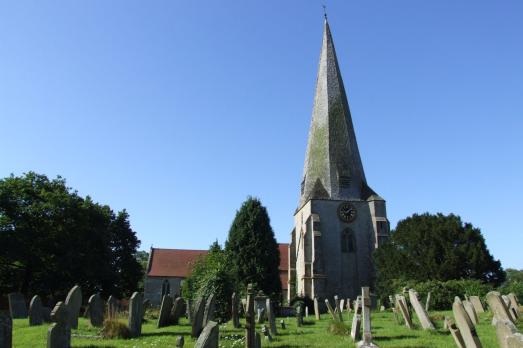
Westbury on Severn, Gloucestershire | GL14 1PS
The 700 year old parish church at Westbury on Severn has a separate stone tower, with an enormous wooden spire, newly clad in oak shingles, not far from the River Severn and next door to a National Trust water garden, the buildings are a landmark in the area.
We have supported this church
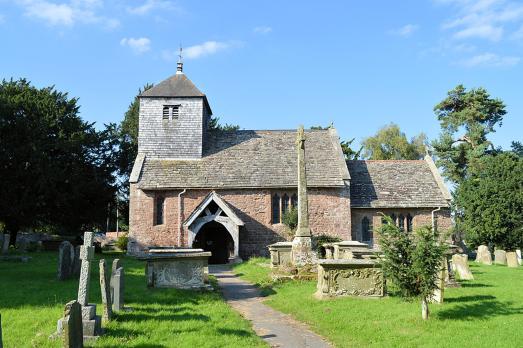
Brampton Abbotts, Herefordshire | HR9 7JE
A Norman church in the centre of Brampton Abbotts with glorious views of the Wye Valley and Herefordshire countryside.
We have supported this church
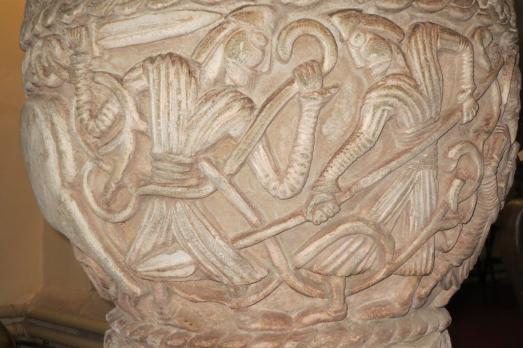
Eardisley, Herefordshire | HR3 6NL
Home to what many consider to be the finest Norman font in England, this impressive parish church is an excellent example of a medieval hall.
We have supported this church
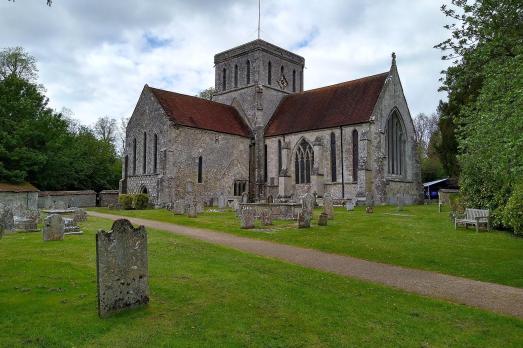
Amesbury, Wiltshire | SP4 7EU
A gorgeous former abbey church established in 979AD.
We have supported this church
Huntington, Herefordshire | HR5 3PY
St Thomas a Becket church is reputed to have been erected in the early 13th century as part of the penance of one of the murderers of Becket in 1170 and possibly stands on the site of an earlier Saxon church.
Nailsworth, Gloucestershire | GL6 0DQ
This building has been recycled, it was first built in 1715, enlarged several times then moved here stone by stone in 1881.
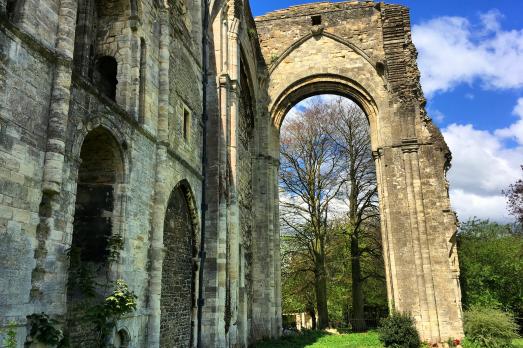
Malmesbury, Wiltshire | SN16 0AA
The Abbey was founded in the 7th century; St Aldhelm was the second abbot.
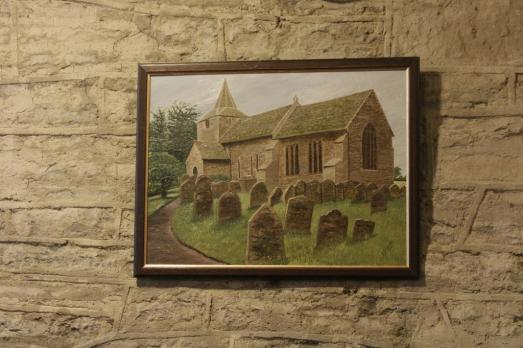
Gladestry, Powys | HR5 3NR
Ancient church and quiet garden on the Offa's Dyke Path in the Welsh border.