St Andrew
Bolton on Dearne, Yorkshire | S63 8LW
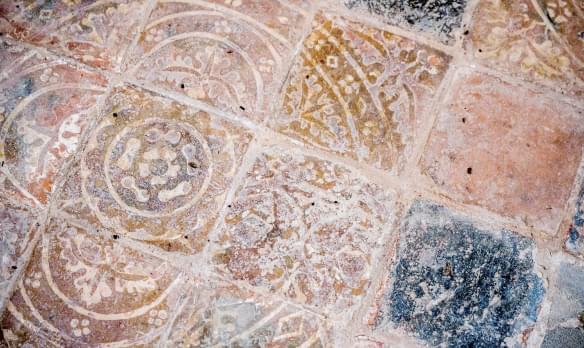
This lovely church, a shrine of great antiquity, hallowed by over 900 years of prayer and praise, is possibly one of the oldest churches in South Yorkshire.
Search for a fascinating place to visit, or see the variety of churches, chapels and meeting houses we have supported.
Bolton on Dearne, Yorkshire | S63 8LW
This lovely church, a shrine of great antiquity, hallowed by over 900 years of prayer and praise, is possibly one of the oldest churches in South Yorkshire.
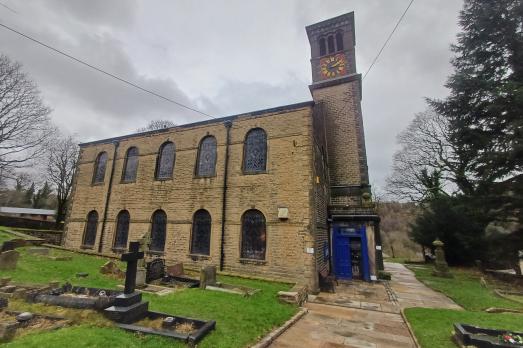
Dobcross, Greater Manchester | OL3 5AN
Our Grade II listed church was built in 1787 and stands at the heart of the village in the Dobcross Conservation area.
We have supported this church
Warmsworth, Yorkshire | DN4 0TW
With its stark white walls and impressive high dome the outside of this building tempts visitors to explore further.
Hundleby, Lincolnshire | PE23 5NA
It may come as a surprise to you that St Mary's is only about 150 years old.
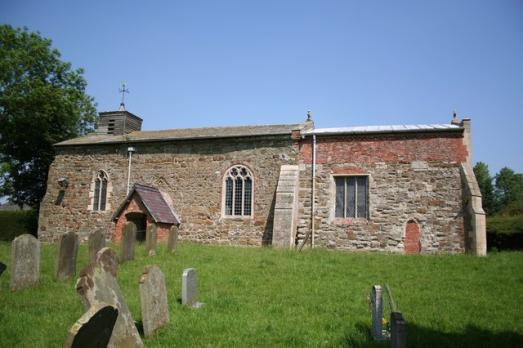
Great Sturton, Lincolnshire | LN9 5NX
All Saints, was originally built in the 12th and 13th century, when the population of the Wolds was considerably greater.
Daisy Hill, Greater Manchester | BL5 2EB
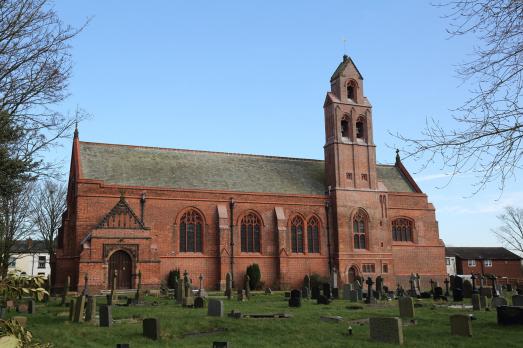
The greatness of St James lies in its fine proportion, inventive and varied details, with an interior that is an exercise in chaste simplicity, beauty is in the traceried windows, reredos and Morris & Company window.
East Stockwith, Lincolnshire | DN21 3DH
A grade II listed Victorian mission church built in 1846 with the vestry added in 1895, it was badly damaged by an earthquake in 2008 and story of the rebuild is told in photographs in the church.
Worsbrough, Yorkshire | S70 4QQ
The church is a ‘noble edifice in the early English style of Gothic architecture’from which the view is beautiful, over Worsbrough reservoir to Wortley, Stainborough Park and Worsbrough Park.
Harpswell, Lincolnshire | DN21 5UY
The treasures inside include two notable medieval monuments to past rectors, the most prominent is of William de Harrington, who died around 1350, dressed in cassock and hood with a skull cap, his feet are supported on a bracket decorated with a green man and his head on a pillow supported on two angels.
Firsby, Lincolnshire | PE23 5QW
Delightful small rural Lincolnshire church set amongst a pretty churchyard that contains the base and part shaft of a 15th century preaching cross.
Hagworthingham, Lincolnshire | PE23 4LP
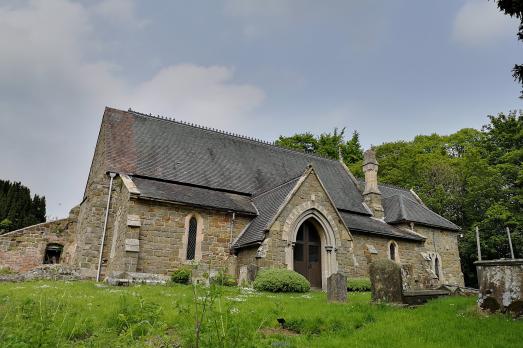
It is believed that Holy Trinity is one of the 'four voices of four hamlets round... the merry, merry bells of Yule' found within the poem 'In Memorium AHH' by Alfred Lord Tennyson. Holy Trinity has Saxon origins but the current building was built in the 11th and 12th centuries. In 1859 the church was extensively altered by Victorian architect James Fowler.
We have supported this church
Harrington, Lincolnshire | PE23 4NH
In 1334 John de Harrington founded a chantry in this place, whereby the chaplain and his assistant were enabled to support themselves and pray daily for the souls of their founder and his family.