Find a church

Search for a fascinating place to visit, or see the variety of churches, chapels and meeting houses we have supported.

Our Lady Star of the Sea

Amlwch, Anglesey | LL68 9ED

An iconic avant garde church from the 1930s, designed by an Italian architect who married a Welshwoman and settled in Conwy.

St John the Baptist

Clarborough, Nottinghamshire | DN22 9NQ

The present building dates back to the 13th century, but there is reason to believe that a church existed before this date and certainly by 1190.

St Mary the Virgin

Bury, Greater Manchester | BL9 0LA

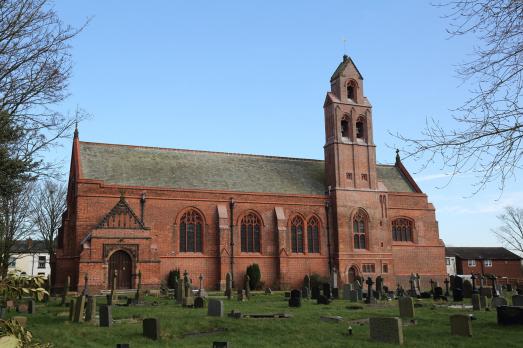
The present church is largely Victorian and is located at the highest point in the town.

Holy Trinity

Thurgoland, Yorkshire | S35 7AF

The present church is the third built in the village. An old ruined chapel, thought to have been sited near Pule Hill, was recorded in 1650.

Boston St Botolph

Boston, Lincolnshire | PE21 6NW

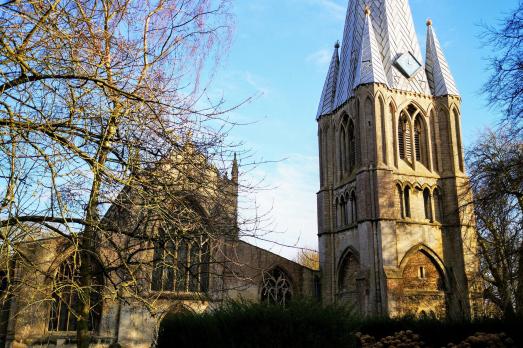
St Botolph's is one of the country's largest parish churches with its iconic tower, known as Boston Stump being the tallest to the roof of any parish church in England and one of the largest medieval towers in Britain.

We have supported this church

St Peter

Tankersley, Yorkshire | S74 0DT

St Peter’s once was one of the richest livings in the country, thanks to Tithe income, endowments and mineral royalty payments.

Centenary Methodist Church

Boston, Lincolnshire | PE21 6NY

A Grade II* listed building, Centenary is a beautiful Boston church, community space and heritage gem with a heart for service.

Holy Trinity

Wentworth, Yorkshire | S62 7TW

The Victorian Holy Trinity is known as the ‘new church’ to distinguish it from the partially ruined old church.

St Saviour

Thurlstone, Yorkshire | S36 6QP

Near the Pennine Trail and very dog friendly!

St George

Stowlangtoft, Suffolk | IP31 3JR

This dignified and harmonious building set on the elevated site of a Roman camp was built in a single phase between about 1370 and 1400.

St Leonard

Thrybergh, Yorkshire | S65 4HN

St Leonard’s is a very interesting old church with Saxon origins dating back to 900AD as well as a number of periods of construction that can be seen in its walls, including signs of a Norman apse.