
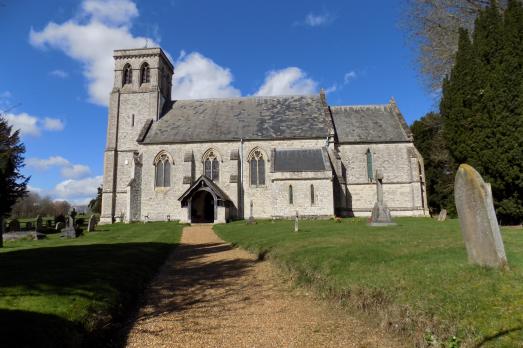
All Saints
Dogmersfield, Hampshire | RG27 8SZ
This delightful little parish church dates back to 1843.
Search for a fascinating place to visit, or see the variety of churches, chapels and meeting houses we have supported.
Dogmersfield, Hampshire | RG27 8SZ
This delightful little parish church dates back to 1843.
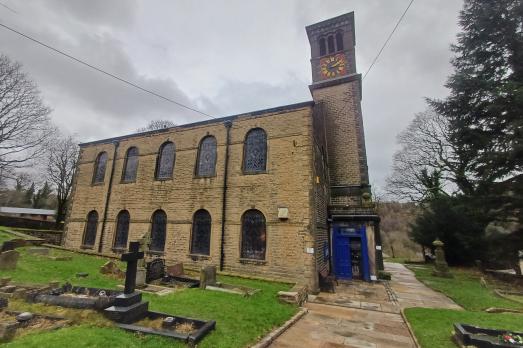
Dobcross, Greater Manchester | OL3 5AN
Our Grade II listed church was built in 1787 and stands at the heart of the village in the Dobcross Conservation area.
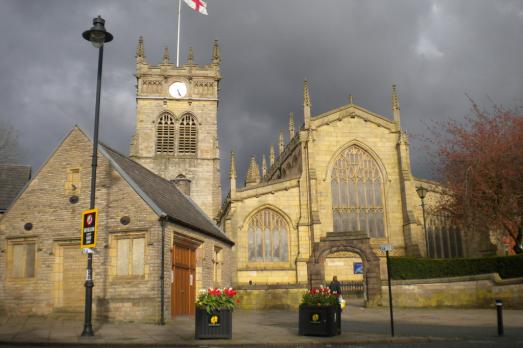
Wigan, Greater Manchester | WN1 1NL
All Saints is by far the oldest church in Wigan, the earliest possible mention of a church at Wigan occurs in the Domesday Survey of 1086.
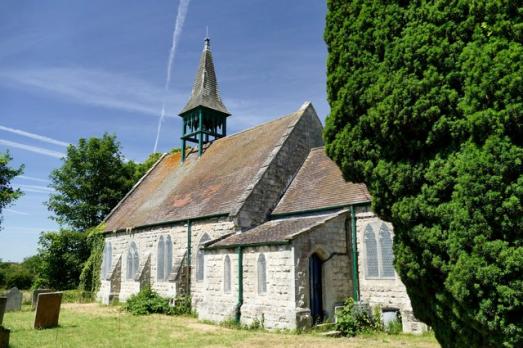
Eaton, Nottinghamshire | DN22 0PS
A small Victorian village church which is at the heart of our rural community.
We have supported this church
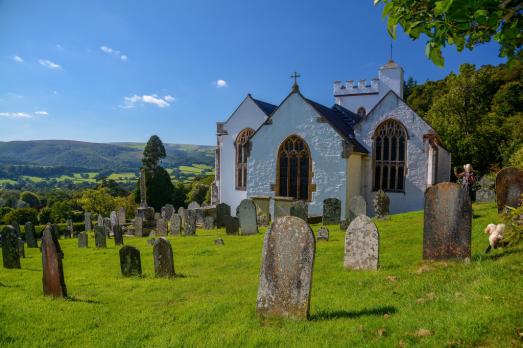
Selworthy, Somerset | TA24 8TR
The gleaming lime washed walls of this imposing church overlooking Exmoor give a foretaste of the wonderfully light and spacious feeling interior, with its slender white pillars and soaring wagon roofs.
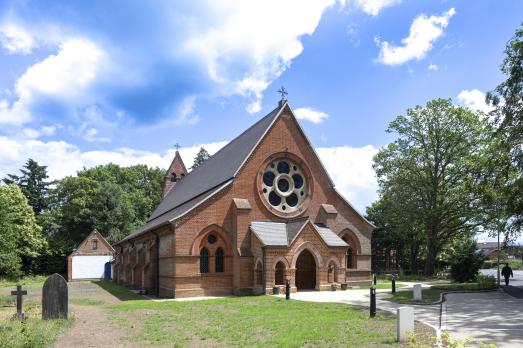
Fleet, Hampshire | GU51 4NB
Following an arson attack in 2015, this beautiful church, designed by William Burgess, has been restored and is now open to visitors and for services.
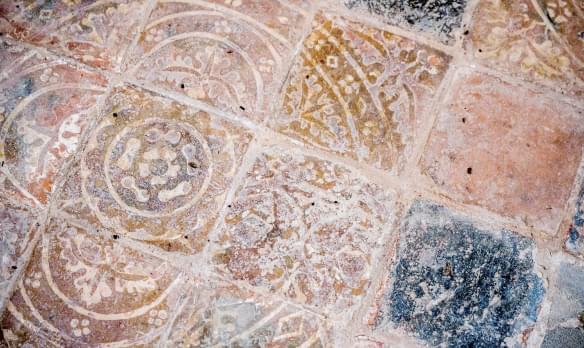
Wortley, Yorkshire | S35 7DB
Wortley is a small village between Sheffield and Huddersfield, and the imposing parish church in the centre of the village serves what is essentially a rural community.
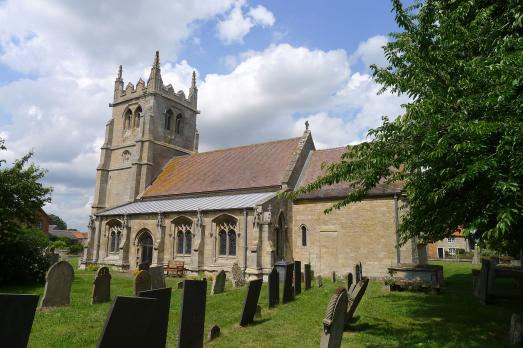
Swarby, Lincolnshire | NG34 8TD
Grade II listed building dating from the 13th century.
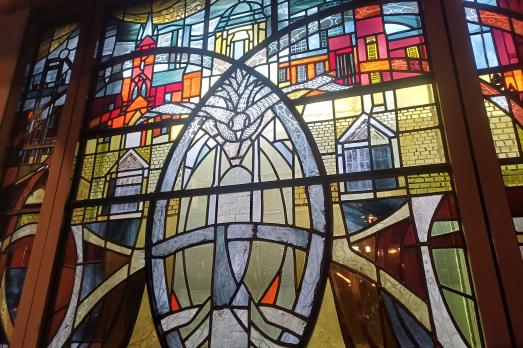
Wigan, Lancashire | WN1 1HX
An active and busy church open six days a week, it is a meeting place for everyone, whether Christian or not.
We have supported this church
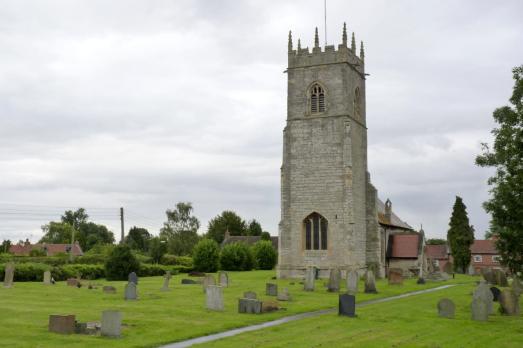
Askham, Nottinghamshire | NG22 0RU
A Grade II listed church described by Pevsner as having the ‘usual west tower with eight pinnacles’.
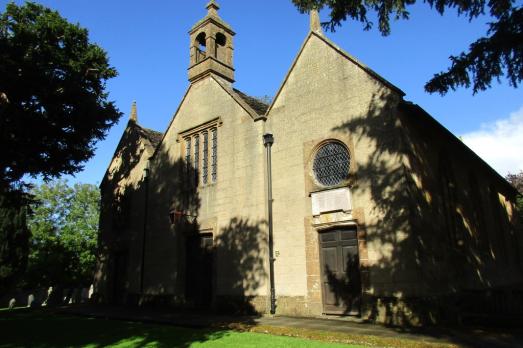
Castleton, Dorset | DT9 3RX
Outside the curtain wall of his 12th century castle, Bishop Roger of Salisbury built a Norman church to be used by his tenants and retainers.
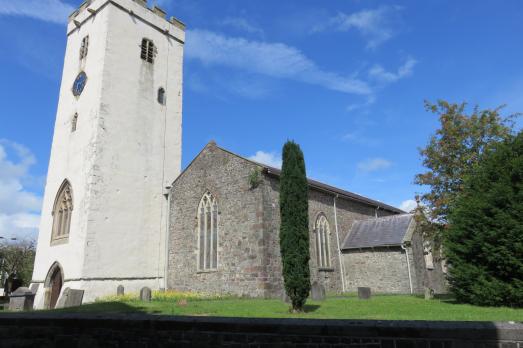
Carmarthen, Carmarthenshire | SA31 1GW
St Peter’s is first recorded in the Chronicles of Battle Abbey when it was donated to Battle Abbey, along with a monastic house known as Llandeulyddog, in about 1110.