
Lochbroom & Ullapool Parish Church
Ullapool, Highland
The church is similar to over one hundred other churches built in the same style across the Highlands.

An iconic church in a magnificent Highland setting, and the scene of an infamous event in Scotland's Clearances history.
Ardgay, Highland
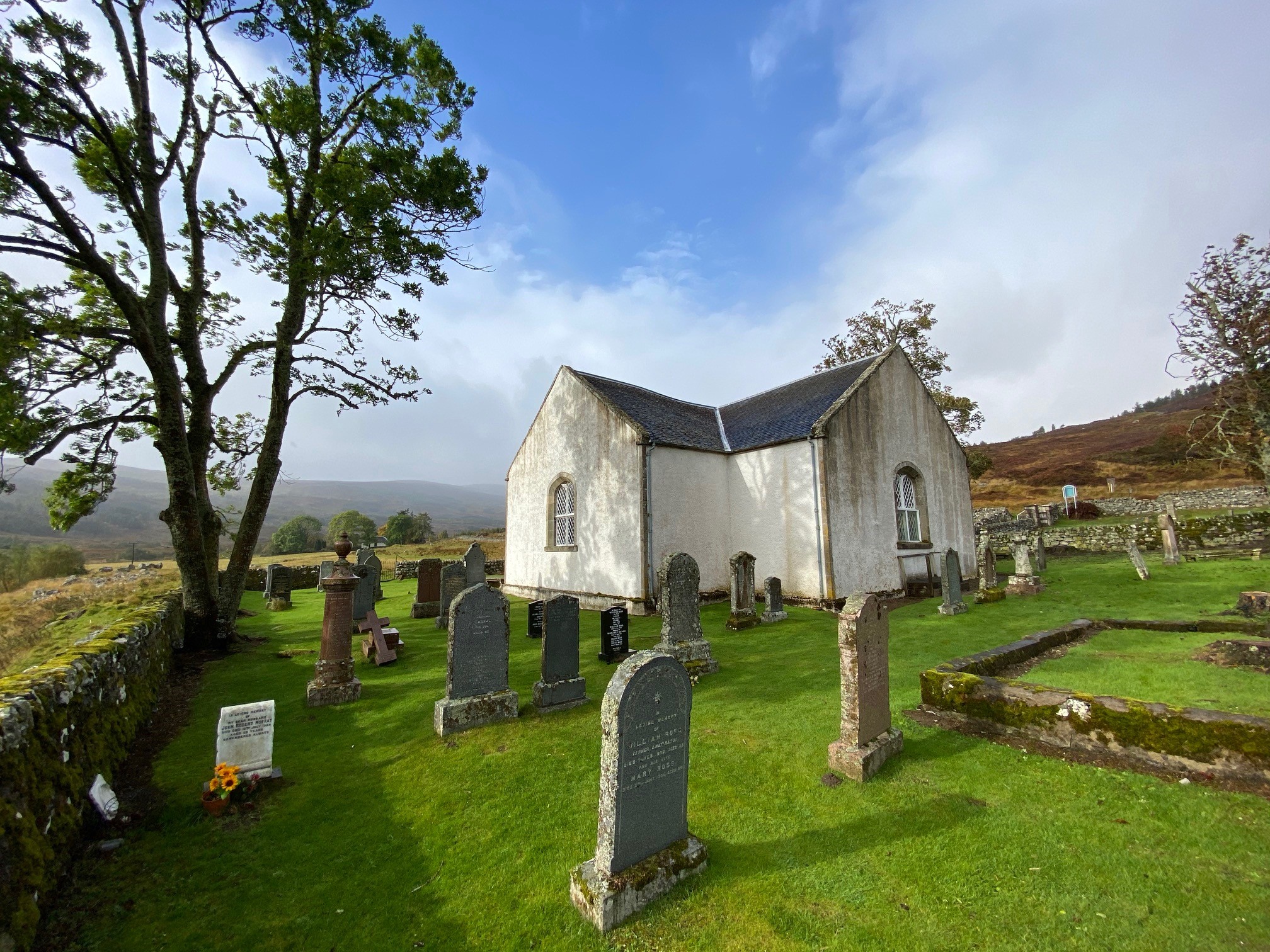
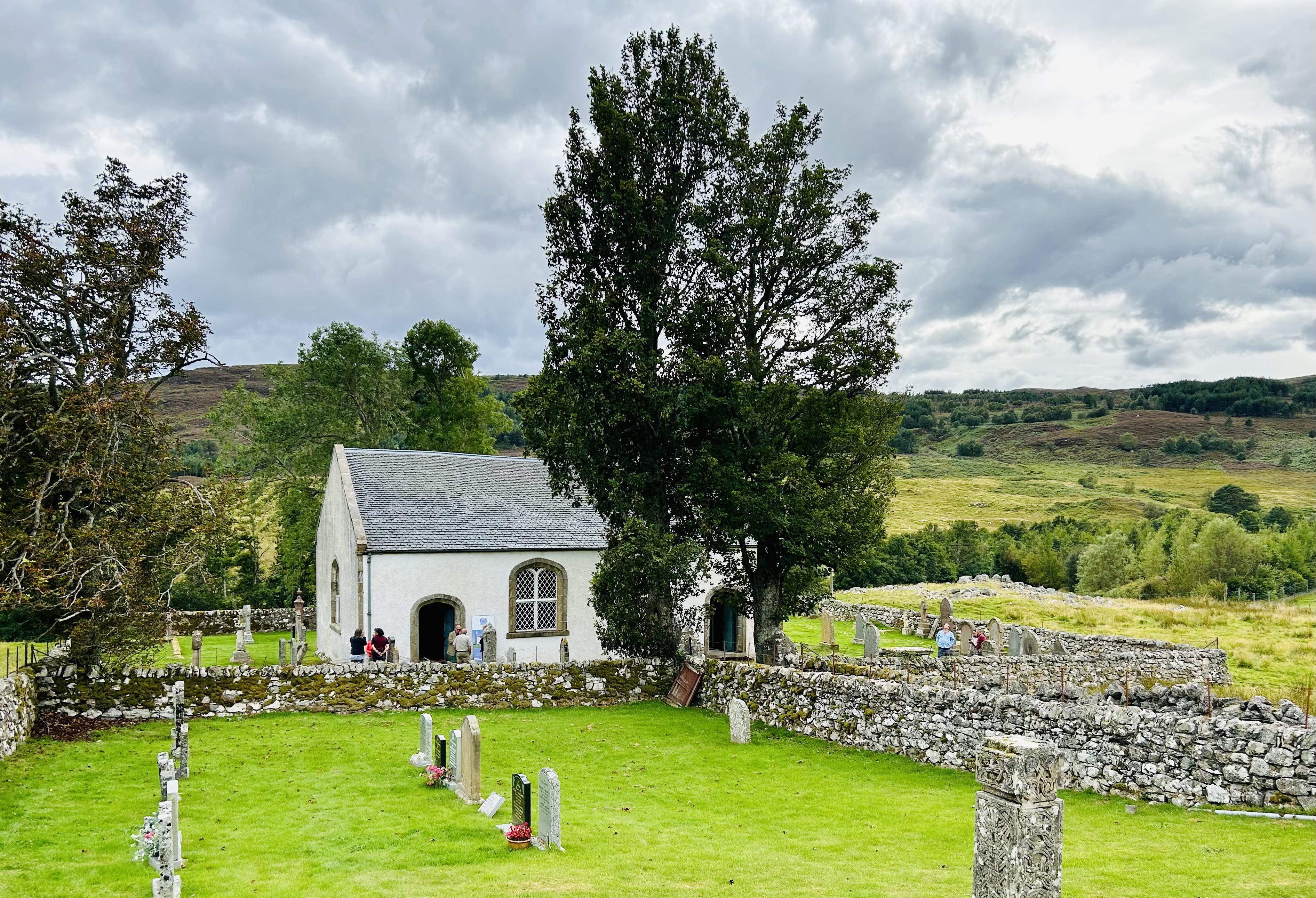
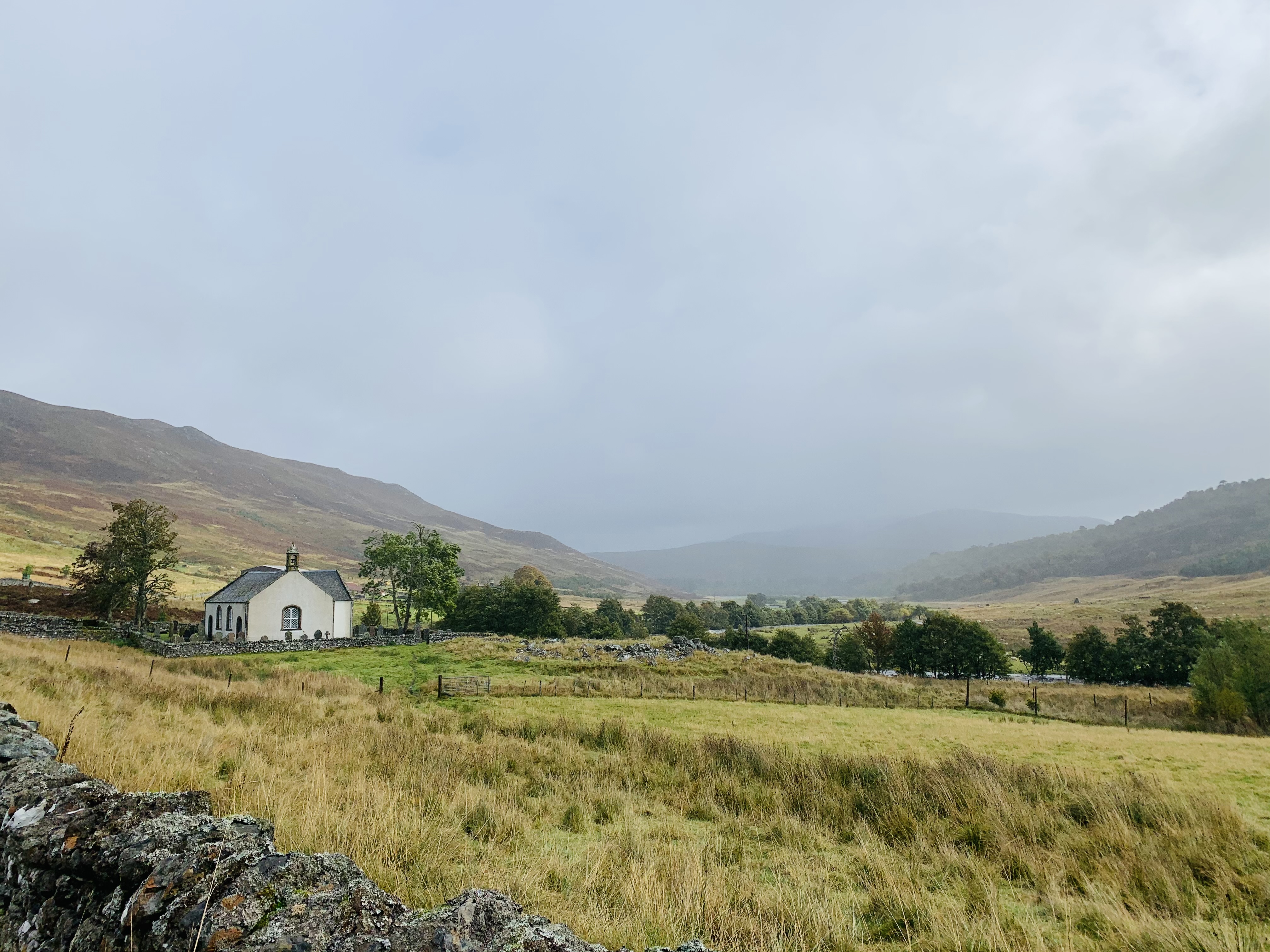
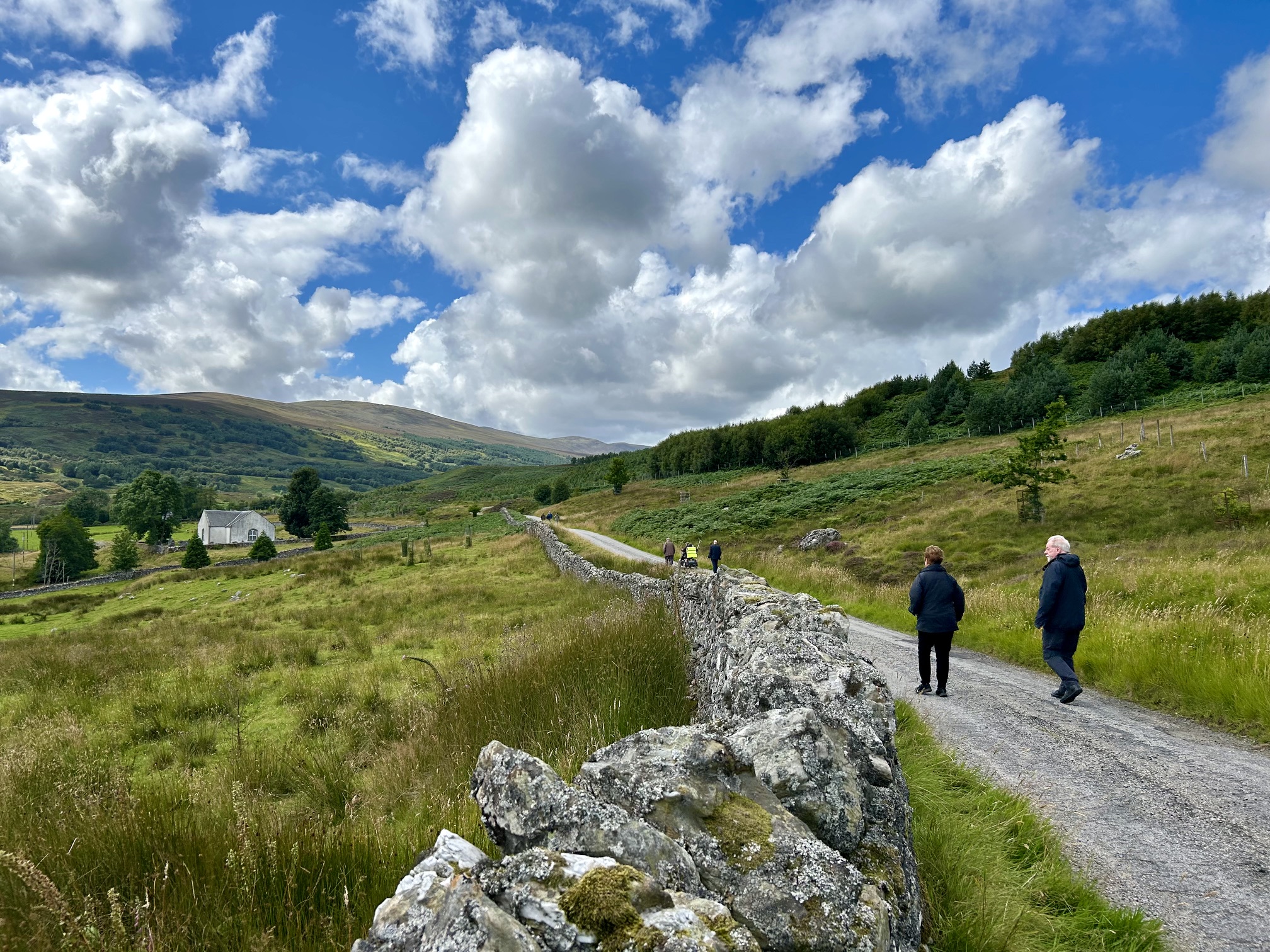
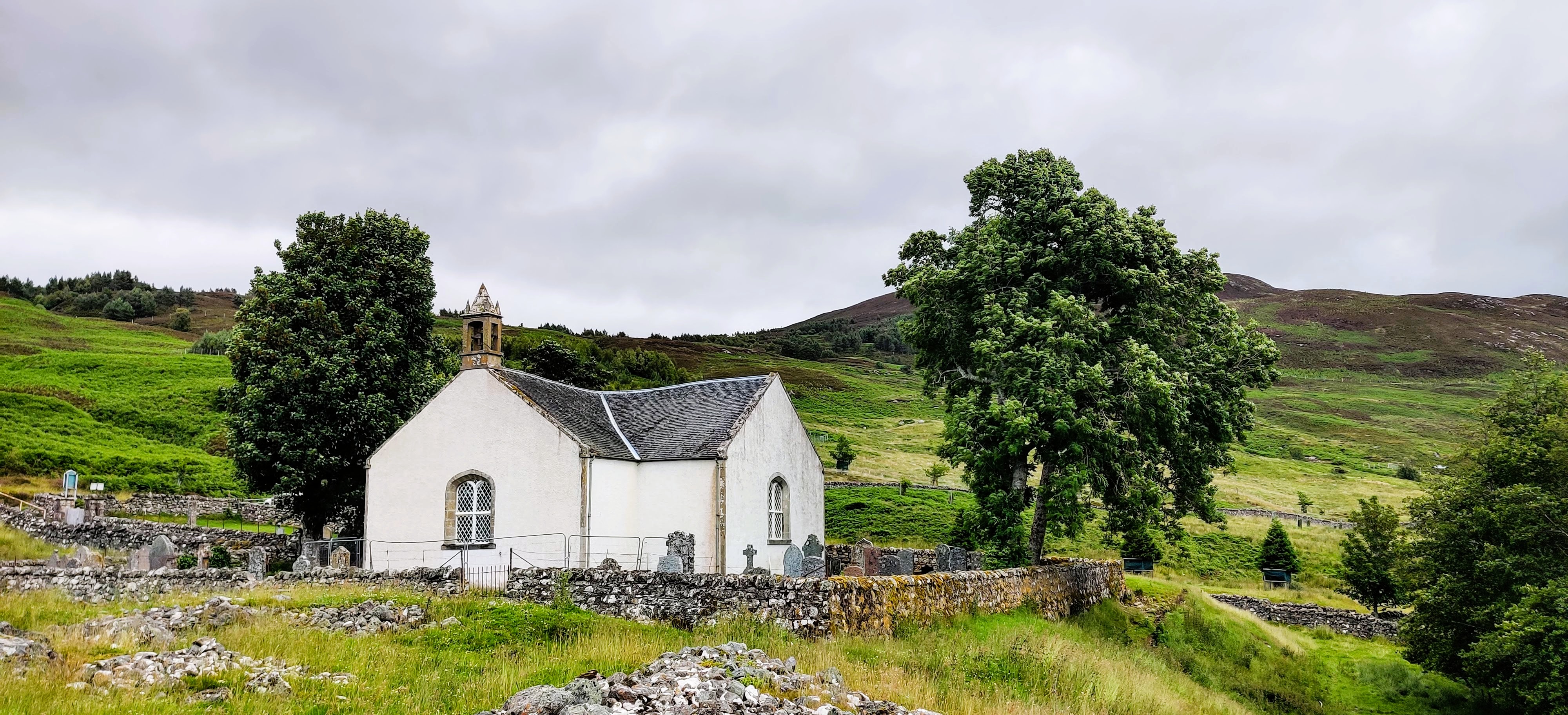
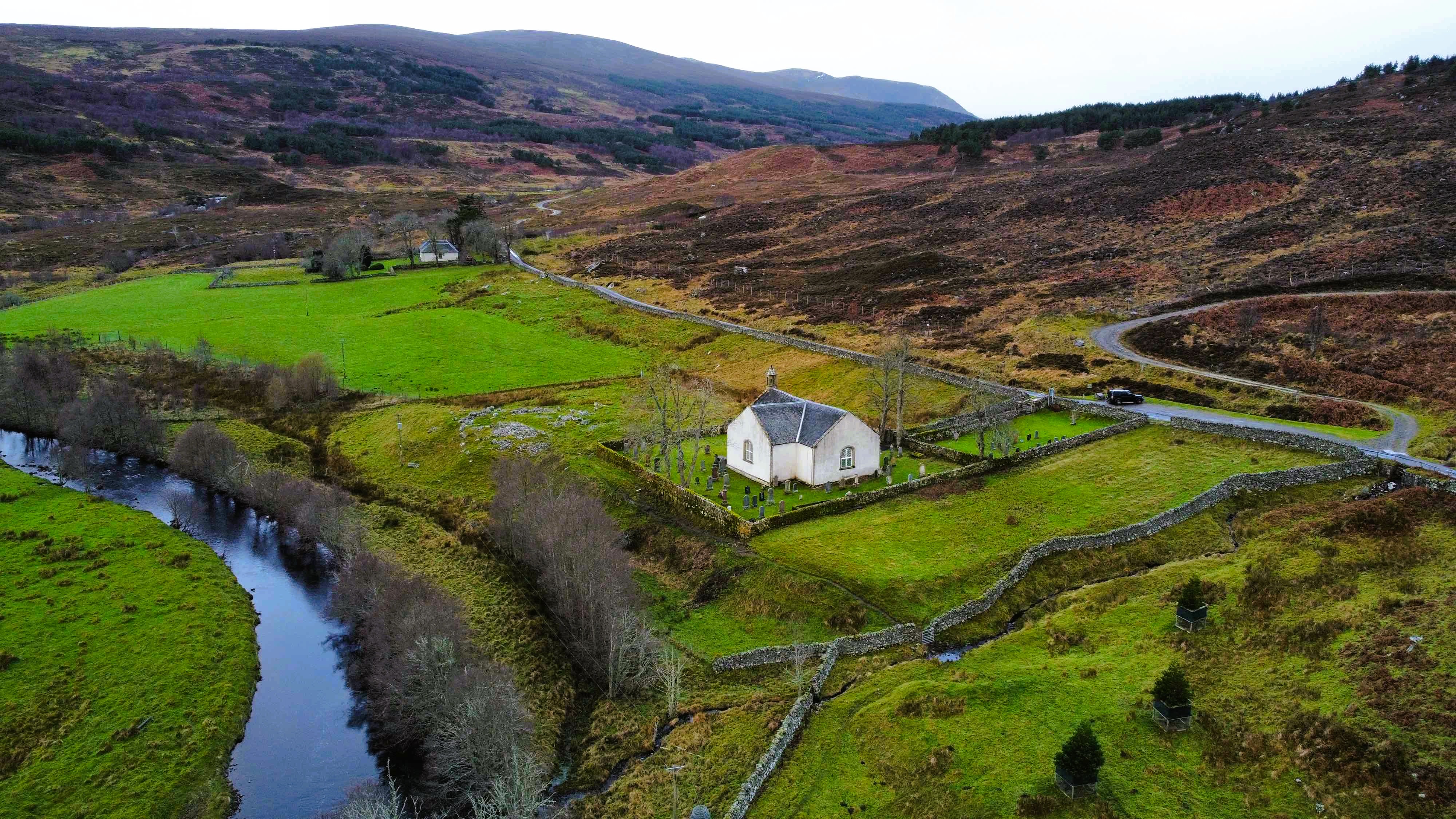
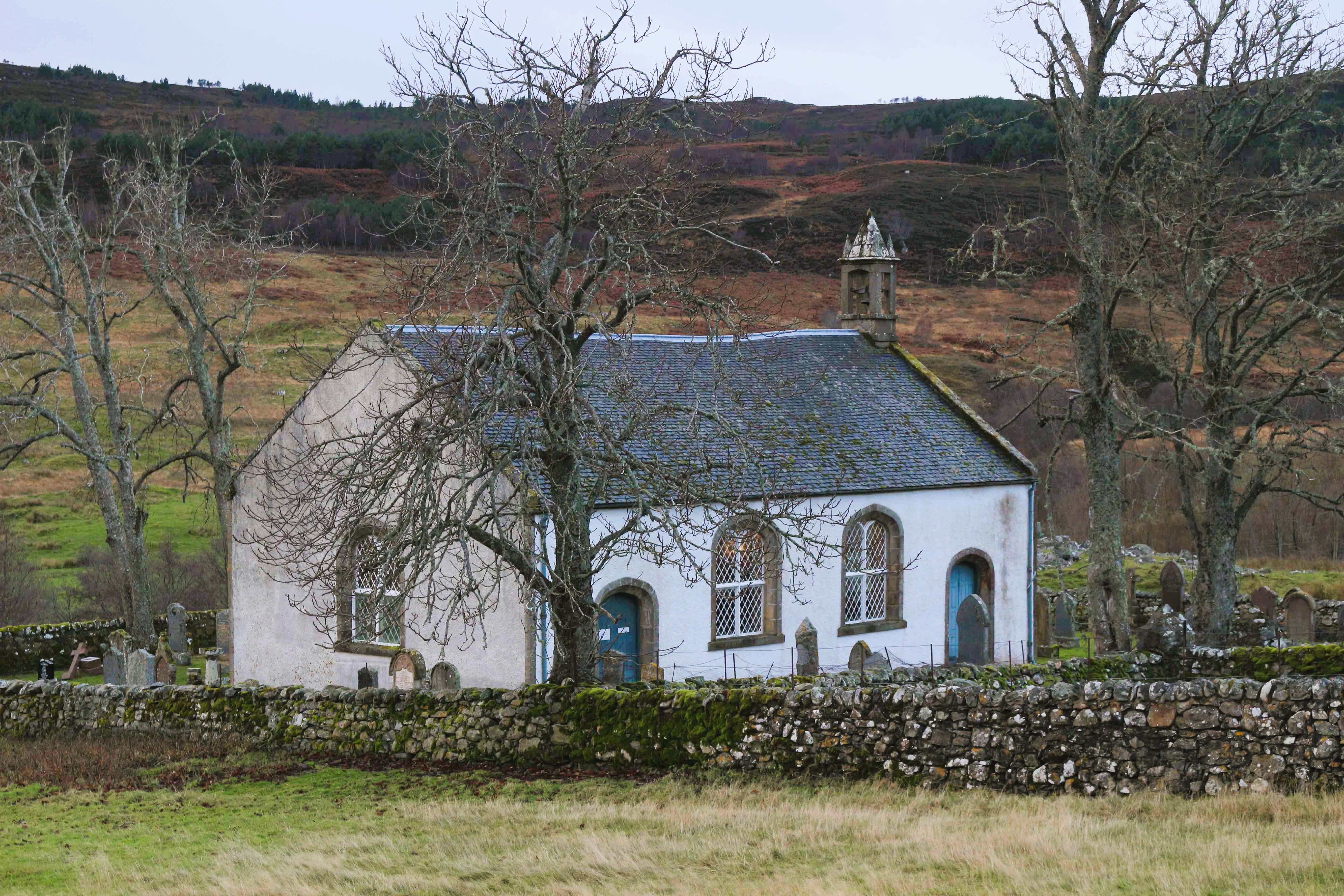
In its isolated location in a remote Highland strath, the diminutive white-harled Croick Church conceals its status as one of Scotland's most important churches. Architecturally significant as the best-preserved example of a Parliamentary Church, Croick is also of outstanding cultural significance for its connection to the Highland Clearances and the dispossession of the Glencalvie people in 1845.
Built in 1827 as one of 32 churches to provide places of worship for rural communities in the Scottish Highlands and islands, Croick uses one of two standardised designs employed in a scheme of construction overseen by the renowned Scots-born Civil Engineer Thomas Telford.
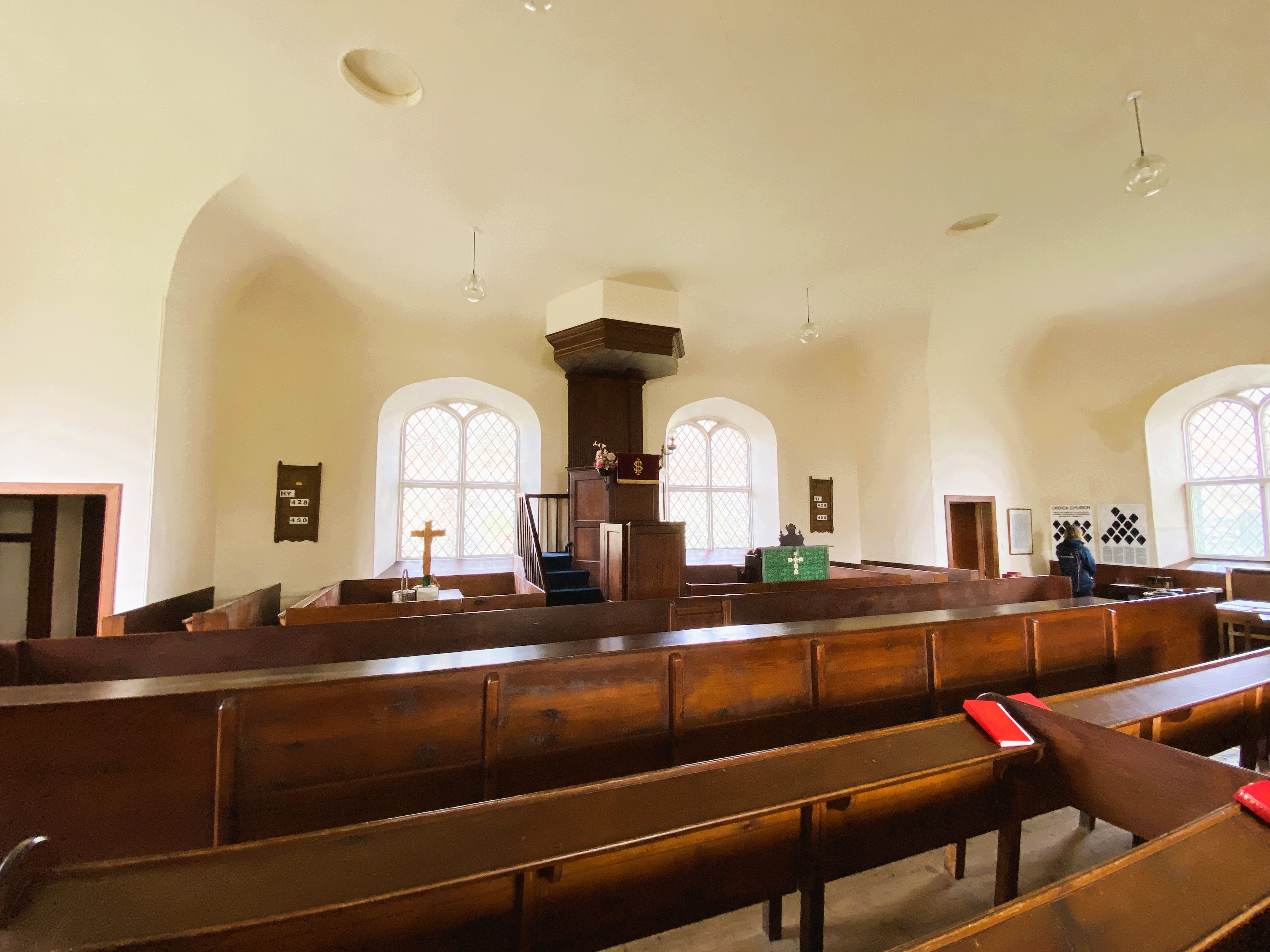
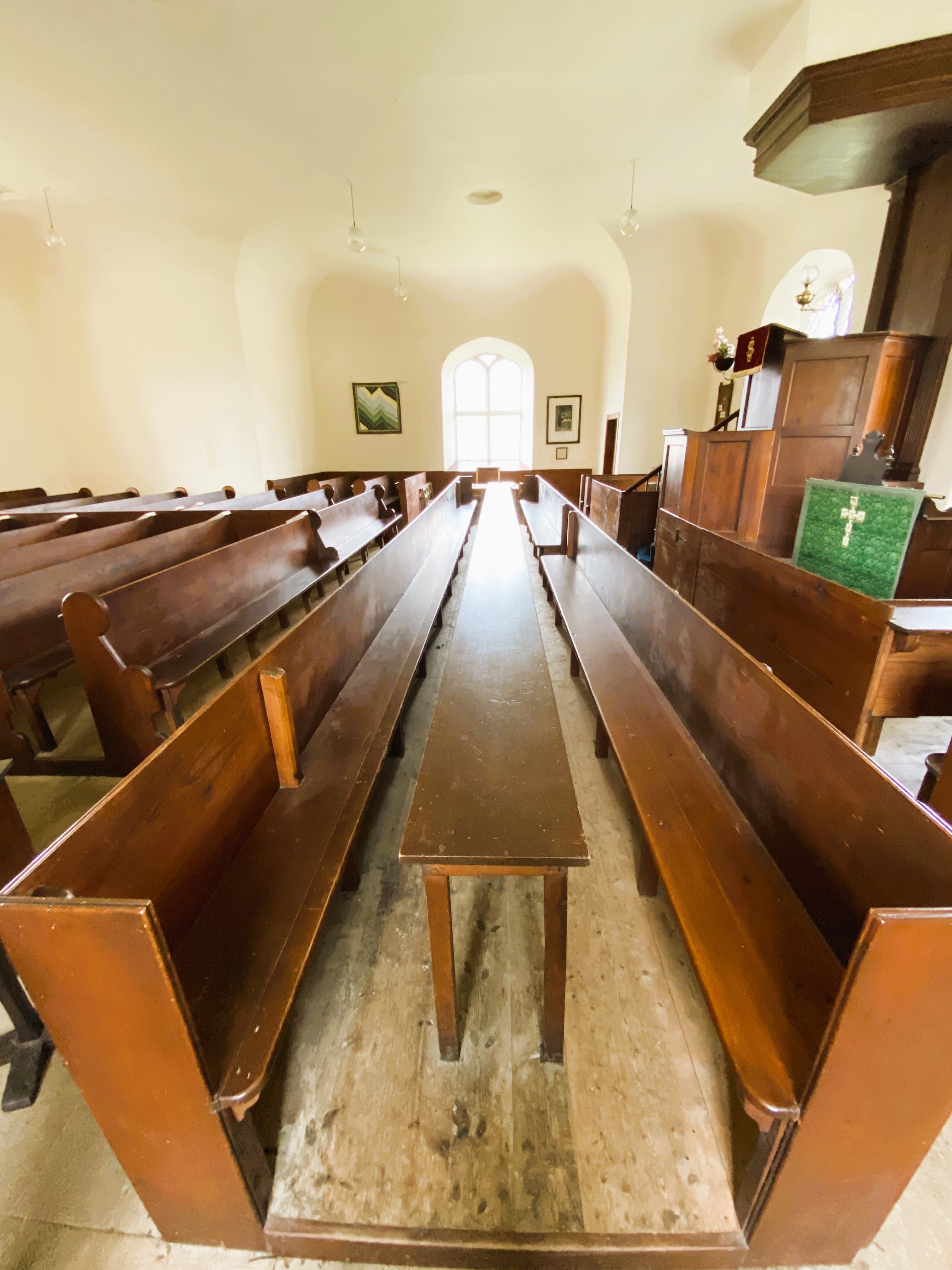
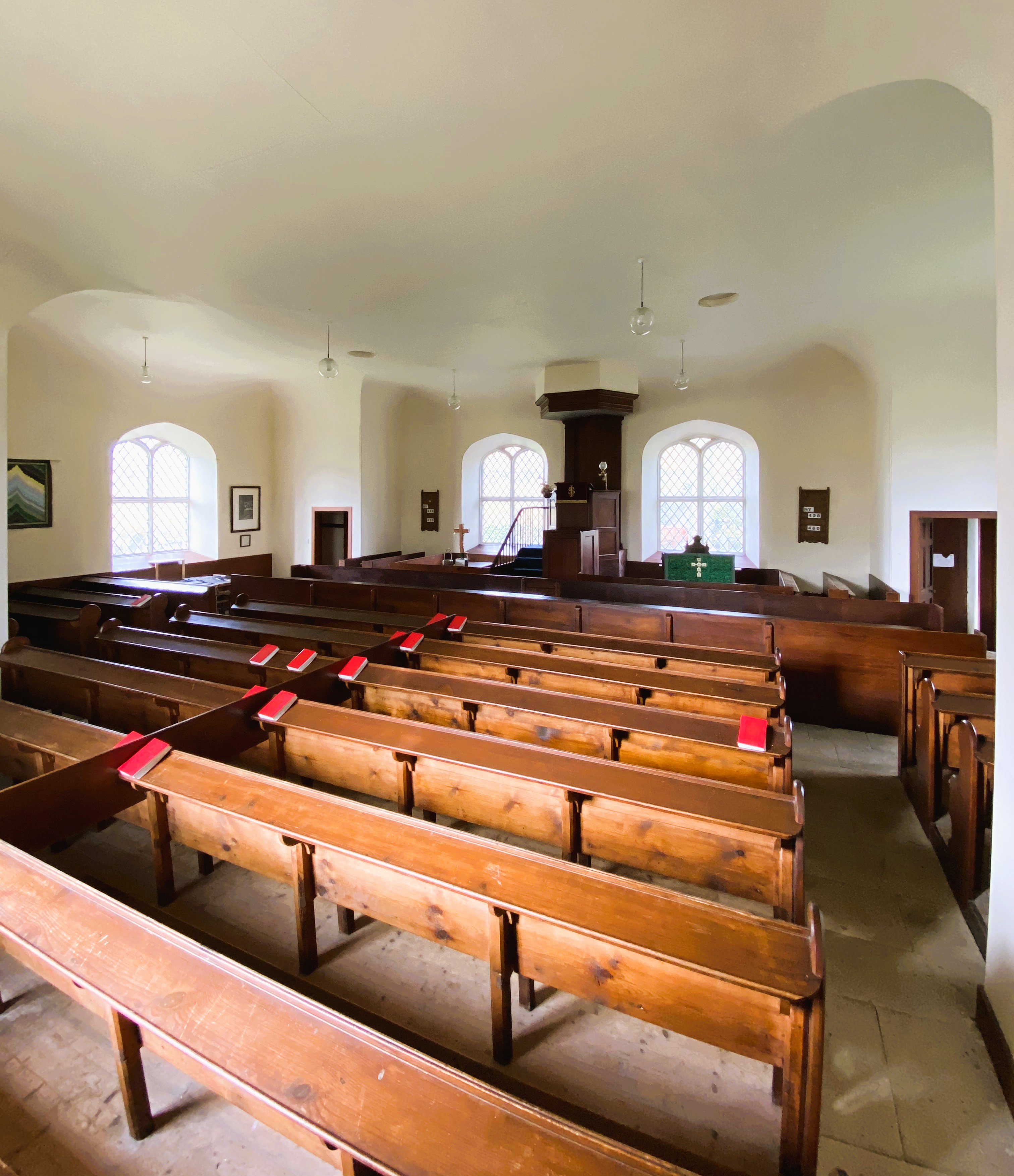
One of the smallest of the ‘Telford Kirks’, Croick seated a maximum of 200 worshippers drawn from the surrounding crofting families. Simple and unadorned, the pew-filled interior is focussed on the dominant pulpit. The long communion table, running the full width of the church, is a rare survival and one of the few remaining in Scotland today.
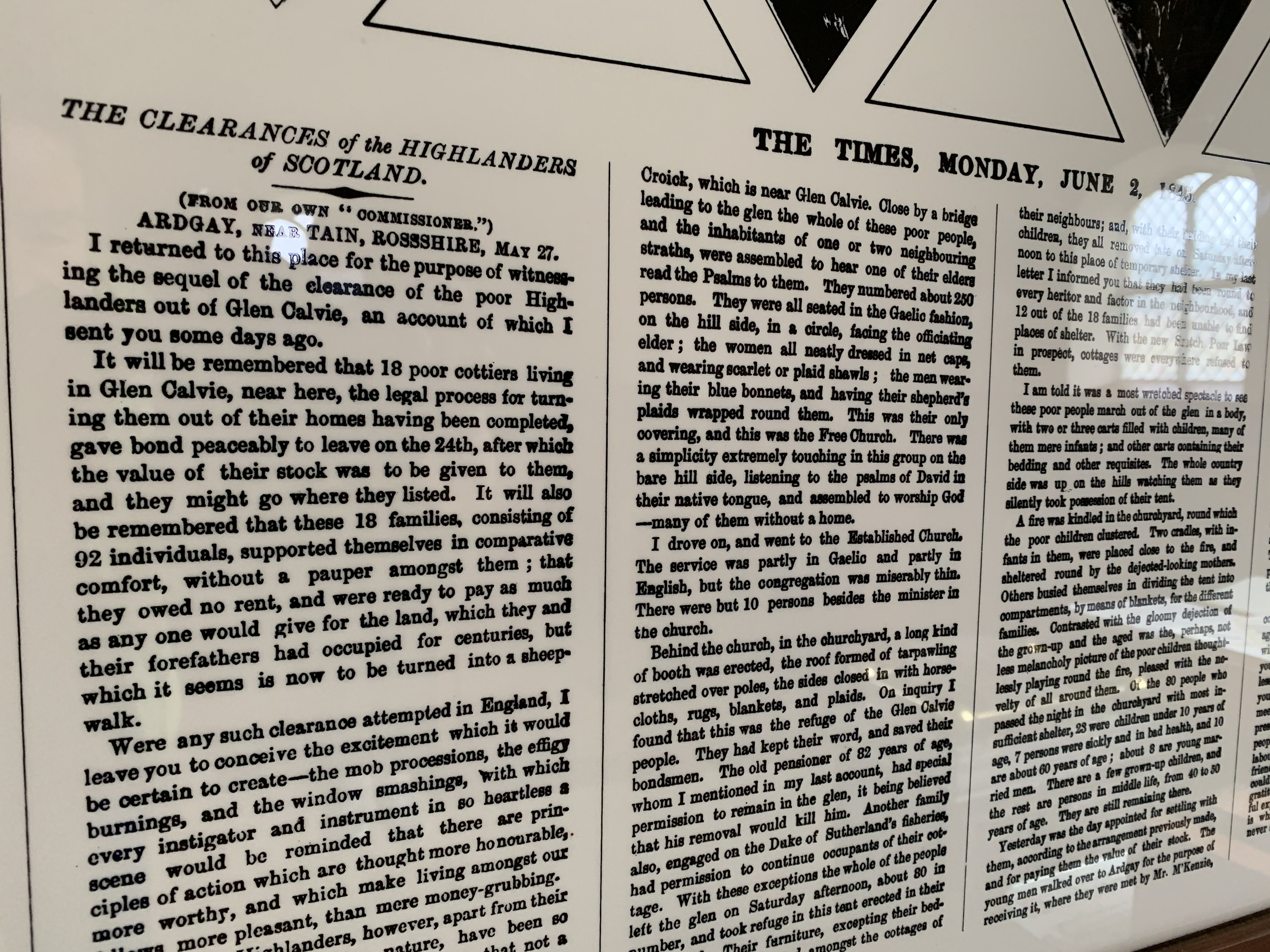
Following the Disruption of 1843 (when 450 ministers broke away from the Church of Scotland to form the Free Church of Scotland), most local families followed their minister, the Rev Gustavus Aird, and joined the Free Church. This may explain why, on 24th May 1845, tenant families evicted forcibly from their homes to make way for a sheep farm, sheltered in the graveyard rather than the church. 80 people including children, the elderly, and sick, set up a make-shift camp behind the church. A reporter from The Times witnessed their plight and his moving account helped turn the tide of public opinion against the dispossession of tenants by wealthy landowners.
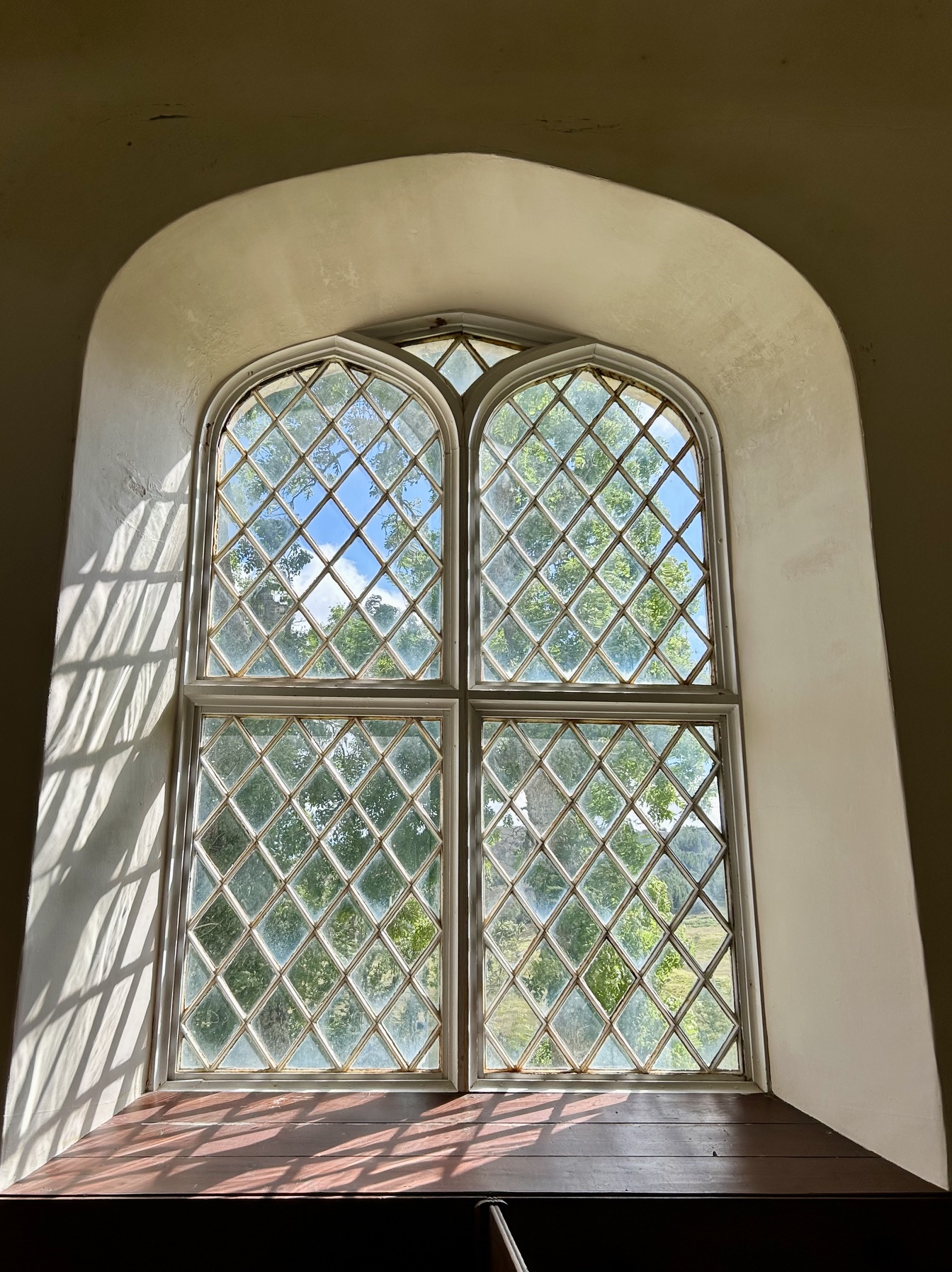
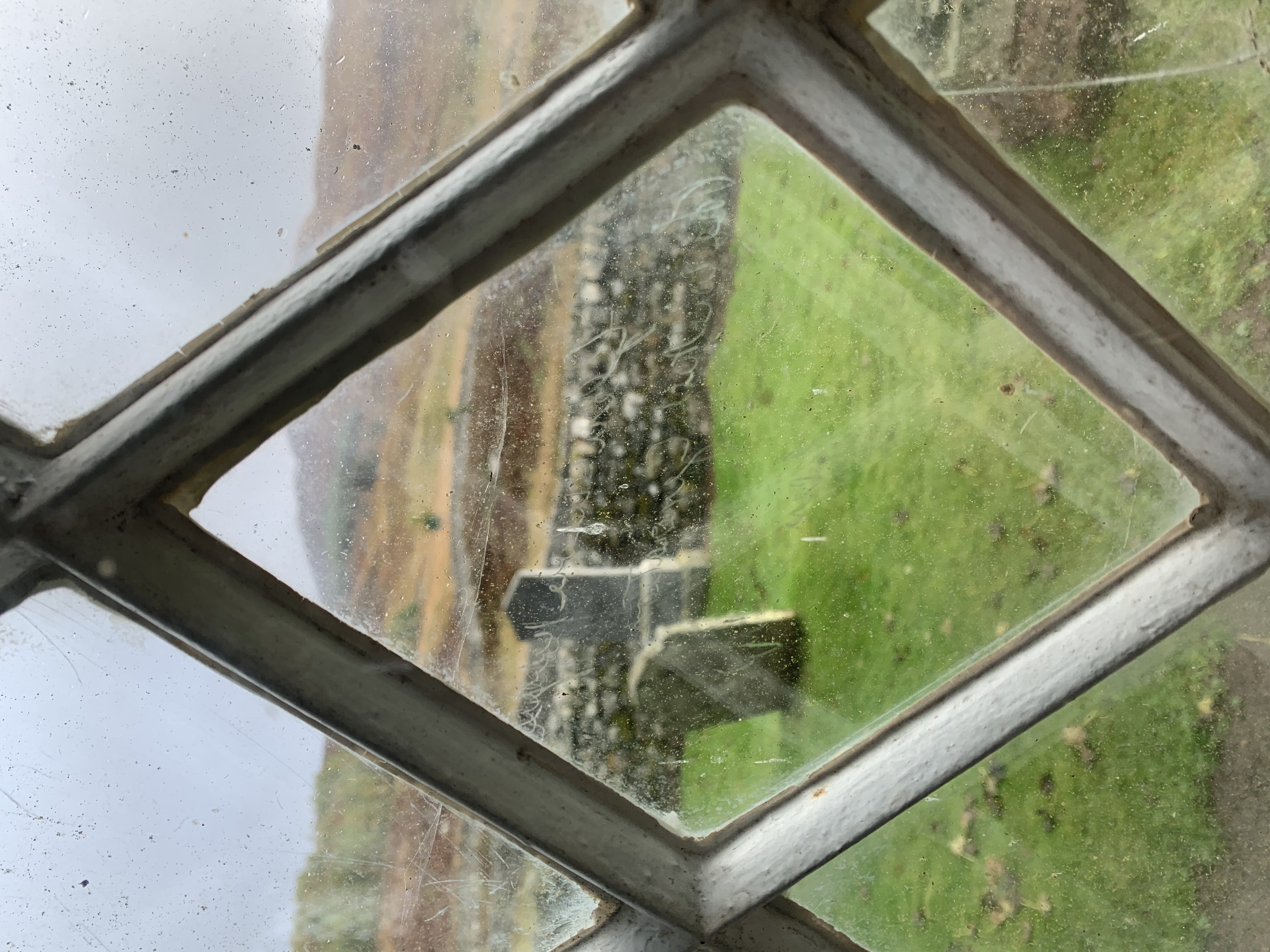
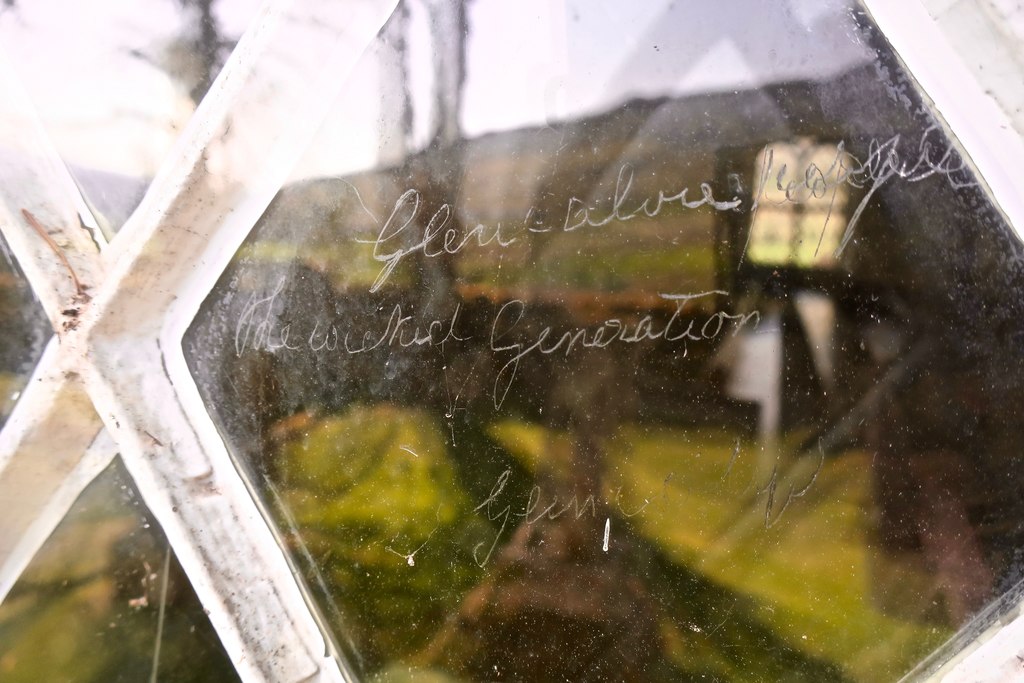
A tangible reminder of this bleak episode can be seen in the messages scratched on the outside of the east window of the church, including the names of some of the displaced people. It is not known if these were made at the time by those sheltering in the graveyard, or perhaps later by others wanting to ensure the Glencalvie people were never forgotten.
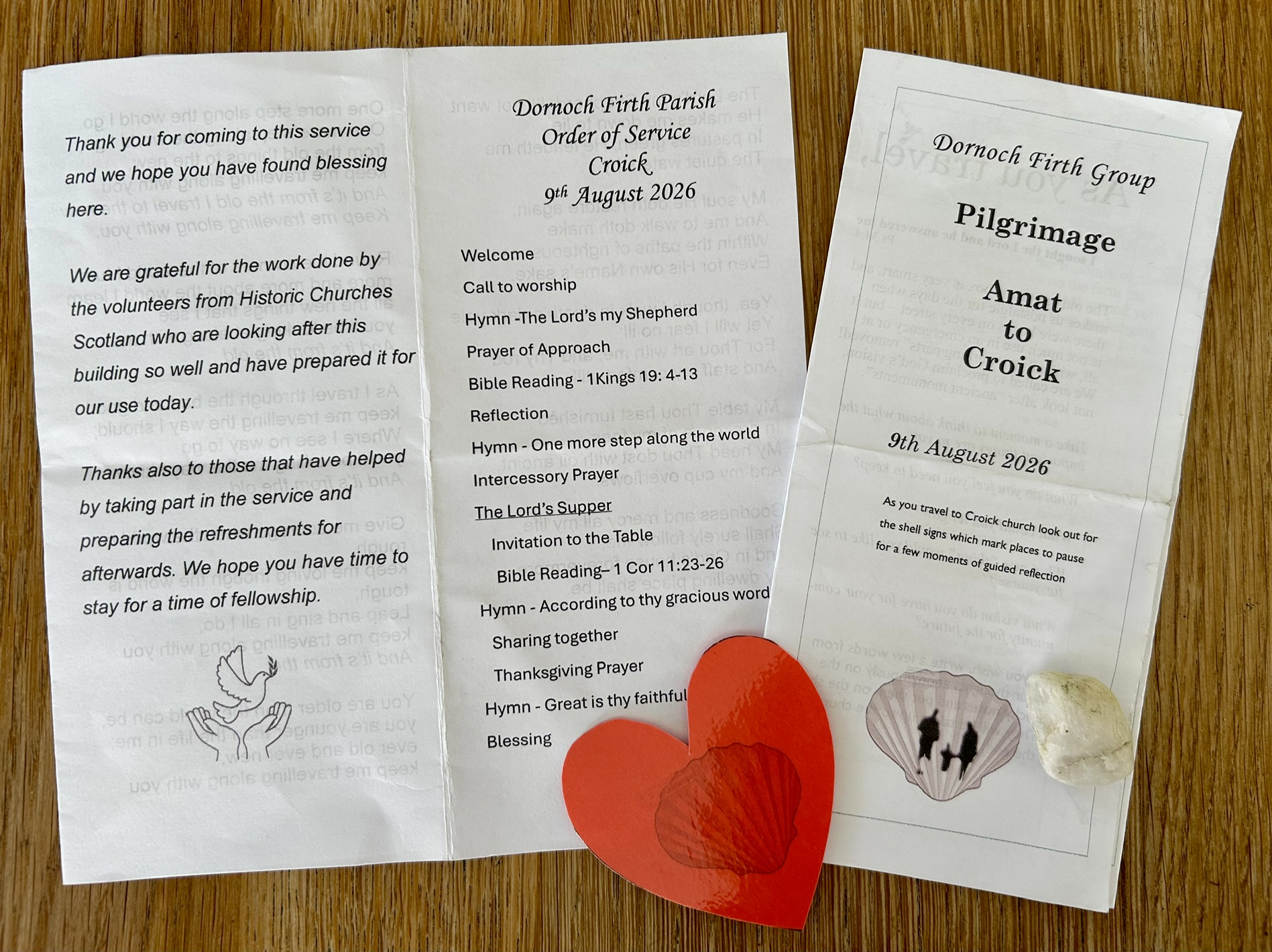
Closed by the Church of Scotland in 2020, Croick Church came into the care of Historic Churches Scotland in 2025 and is open throughout the year to visitors. Occasional services are held in the summer months together with weddings and funerals.
Ullapool, Highland
The church is similar to over one hundred other churches built in the same style across the Highlands.
Tain, Highland
St Andrew’s is a well proportioned and carefully built small Episcopal church, with original 'Mouseman' furnishings, beautiful stained glass and an unaltered C & F Harrison organ.
Dornoch, Highland
The Cathedral is a 13th century church set in the heart of the Royal Burgh of Dornoch, seeking to serve the wider community in which it lies along with its sister churches.